15 Expert Tips for Trying to Conceive in 2026: A Complete Guide to Boosting Fertility


Did you know that 1 in 6 people worldwide experience infertility? When you're ready to start a family, that statistic can feel heavy, especially when you're searching for the best tips for trying to conceive and finding nothing but conflicting advice. You want to know what you can do right now to get pregnant faster, but the information overload makes it hard to trust your own body or your timing.
It's completely normal to feel overwhelmed by cycle tracking or the fear of a long road ahead. We've designed this guide to give you back your confidence by focusing on a three-pillar approach: precision timing, a supportive biological environment, and nutritional readiness. You'll discover how to identify your fertile window with certainty and learn about the latest 2026 health standards, including why nutrients like methylfolate and choline are now critical for fetal brain development. We're also covering the recent 2026 insurance shifts, such as California's SB 729 mandate, to ensure you understand every resource available for your journey.
Key Takeaways
- Master the six-day fertile window by understanding why sperm lifespan makes early timing more effective than waiting for ovulation.
- Identify the "silent killers" of conception, including how common lubricants can damage sperm and disrupt your vaginal pH.
- Implement actionable tips for trying to conceive as a couple, focusing on how antioxidants protect both egg and sperm DNA.
- Protect your hormonal balance by managing the "heat factor" and cortisol levels that can interfere with your reproductive axis.
- Create a 90-day pre-conception action plan to optimize your biological environment during the critical window of egg maturation.
Mastering the Fertile Window: Precision Timing for Conception
Timing is the most common hurdle for couples starting their journey. When you are looking for tips for trying to conceive, many people focus solely on the day of ovulation, but that is often a missed opportunity. Your fertile window is actually a six-day span. It includes the five days leading up to ovulation and the 24 hours after the egg is released. Because healthy sperm can survive inside the reproductive tract for up to five days, having intercourse before you ovulate ensures that sperm are already waiting when the egg arrives.
To better understand how to prepare your body for this window, watch this helpful video:
Don't assume your cycle follows a textbook 28-day pattern. Research indicates that only about 13% of women have a perfect 28-day cycle. Ovulating on day 12 or day 17 is just as common, which makes precision tracking vital. By utilizing Fertility Awareness Methods, you can distinguish between "high fertility" days, when sperm can survive in the body, and "peak fertility" days, which represent the 24 to 48 hours surrounding the actual egg release.
Top Methods for Tracking Ovulation
Cervical mucus is your body's natural signaling system. As you approach ovulation, your mucus shifts to an "egg-white" consistency that's stretchy and clear. This specific texture protects sperm and helps it swim toward the egg. While Basal Body Temperature (BBT) won't predict ovulation in advance, it confirms the event occurred by showing a slight temperature rise the following morning. For those who want data-driven predictions, an ovulation calculator can bridge the gap between physical signs and calendar dates.
The Role of Luteinizing Hormone (LH)
The Luteinizing Hormone (LH) surge is the final green light for your ovaries. This surge usually occurs 24 to 36 hours before the egg is released. In 2026, Ovulation Predictor Kits (OPKs) are more sensitive than ever, but your testing schedule still matters. It's often best to test twice a day, once in the late morning and once in the early evening. This frequency ensures you don't miss a short LH peak that might occur between daily tests, giving you the best chance to implement your tips for trying to conceive effectively.
Optimising the Biological Environment: pH and Lubrication
While mastering your cycle timing is a major part of the best tips for trying to conceive, the vaginal environment acts as the physical gatekeeper for success. Most of the time, the vagina is a naturally acidic environment, with a pH between 3.8 and 4.5. This acidity is a brilliant defense mechanism designed to ward off infections and harmful bacteria. However, this same environment is toxic to sperm. During your fertile window, your body should ideally shift this pH to a more alkaline level, typically between 7.0 and 8.5, to allow sperm to survive the journey through the cervix. If this shift doesn't happen effectively, even perfect timing won't result in a pregnancy.
Cervical mucus quality plays a starring role in this transition. This fluid isn't just a transport medium; it's a protective shield. High-quality, fertile mucus filters out poorly performing sperm and provides the energy they need to swim. When natural mucus is sparse or the pH remains too acidic, the biological environment becomes a barrier rather than a highway. This is why understanding the chemistry of your body is just as vital as tracking your temperature.
Why Traditional Lubricants Can Hinder Your Progress
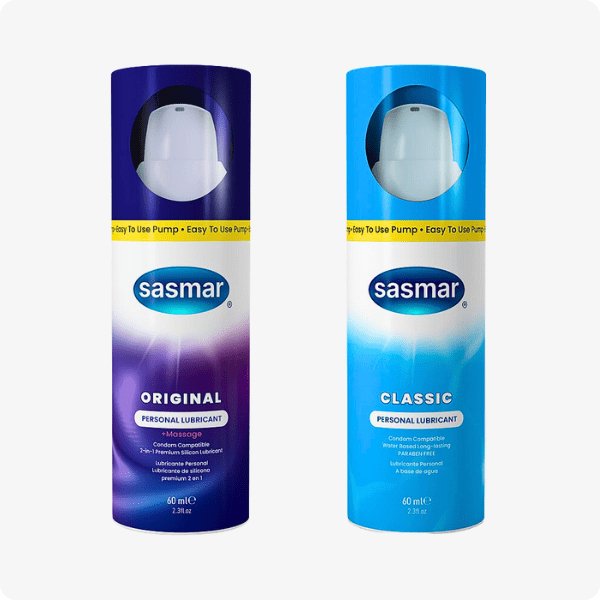
Many couples use standard store-bought lubricants to make intercourse more comfortable, unaware that these products can act as a "silent killer" for conception. Most traditional lubricants are formulated with a low pH to match the vagina's non-fertile state. They also often have high osmolality, which means they have a high concentration of salts or sugars that pull water out of sperm cells. This dehydrates the sperm, causing them to lose motility or die within minutes. Even lubricants labeled as "natural" can have this effect if they aren't specifically designed for fertility. Sperm-friendly lubricants maintain the delicate motility and ion balance required for sperm to reach the egg safely.
Creating a Supportive Path for Sperm
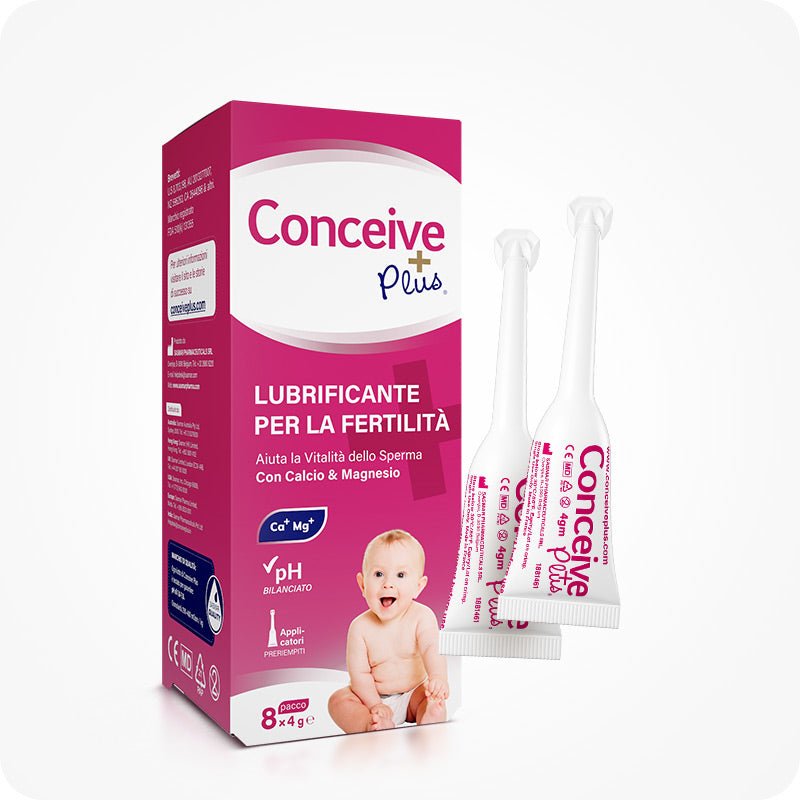
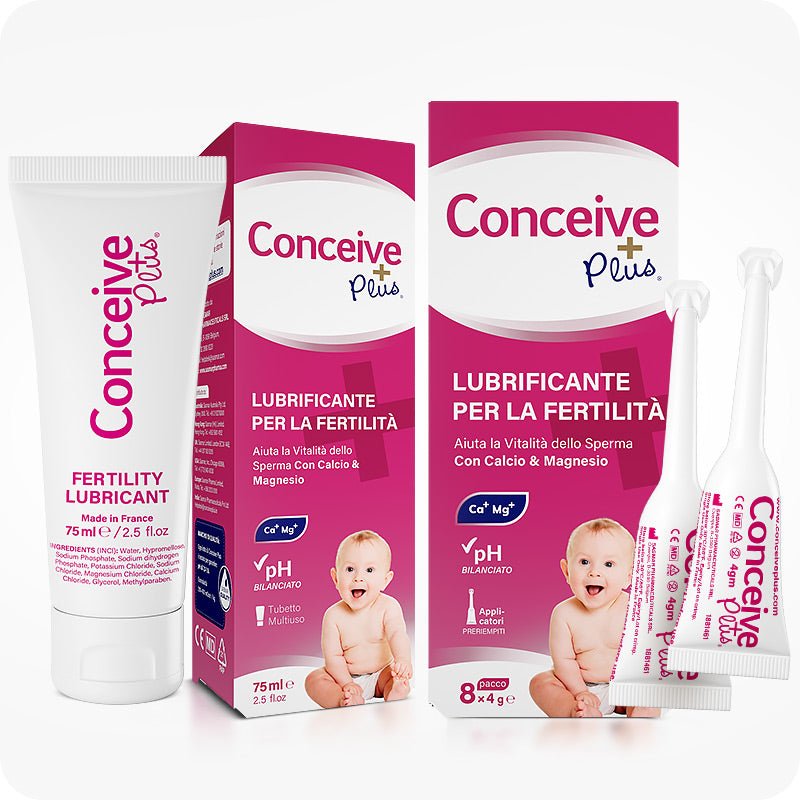
If your natural arousal fluid feels insufficient, choosing a specialized, isotonic lubricant is essential. Unlike standard products, fertility-friendly lubricants are designed to mimic the body's natural fertile fluids exactly. These formulas often include calcium and magnesium ions, which are critical for the sperm's ability to undergo "capacitation," the final step in maturing so it can fertilize an egg. These minerals support the sperm's energy production and swimming strength.
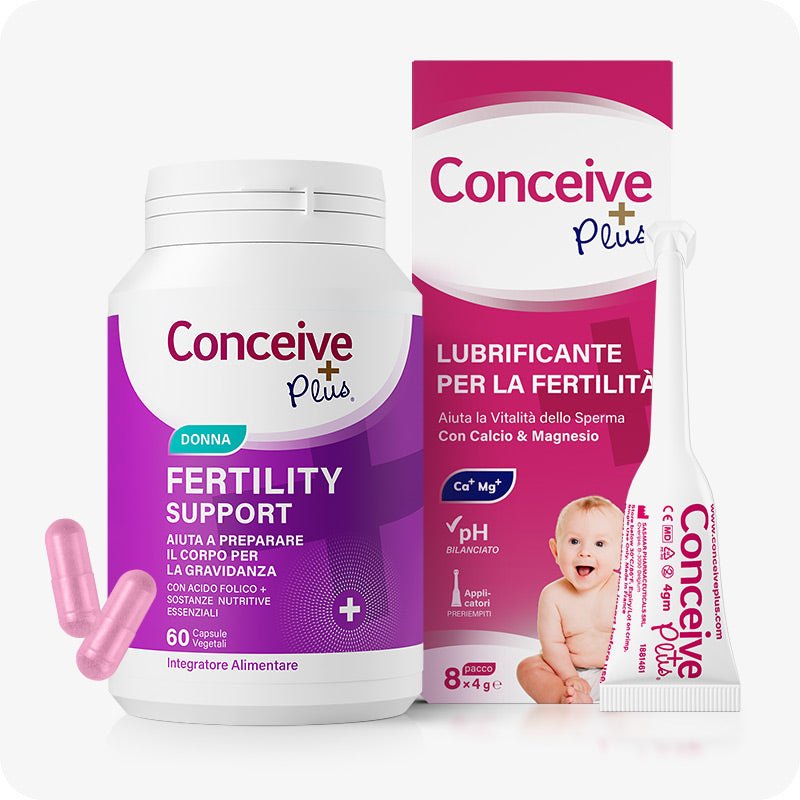
When you are Trying to Conceive, you should also consider how you apply these aids. While external application helps with comfort, internal application using a pre-filled applicator is often more effective for conception. This ensures the sperm-friendly environment begins deep within the vaginal canal, right at the opening of the cervix. If you're looking for a way to support your natural fluids and balance your pH, using a clinically tested fertility lubricant can provide the supportive environment your body needs to succeed.
Nutritional Foundations: Essential Tips for Him and Her

✨ Trying to Conceive?
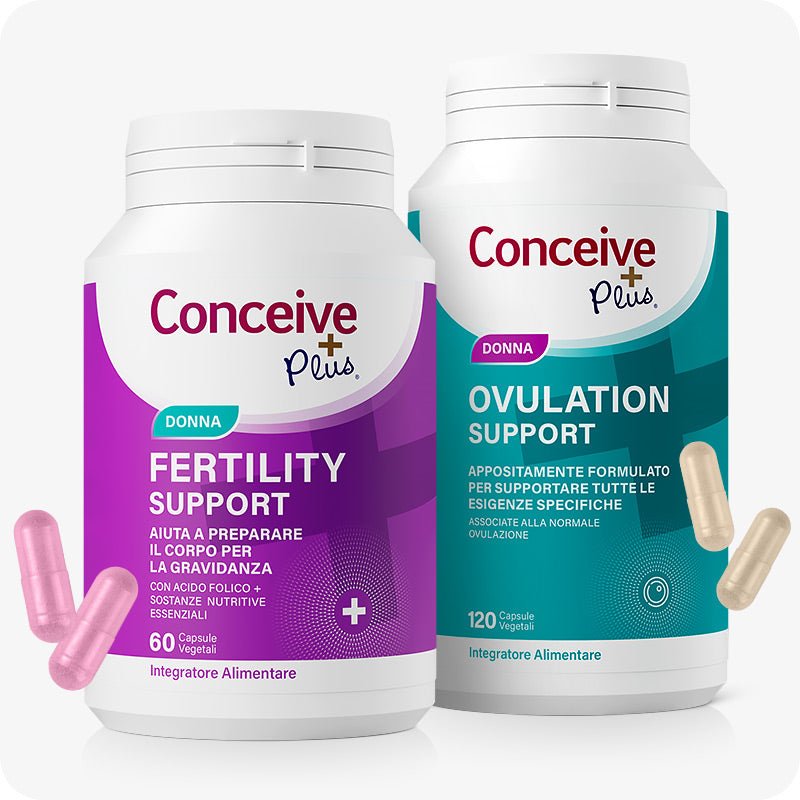
Our fertility supplements combine Myo-Inositol with essential vitamins to support healthy hormone balance and regular ovulation.
Shop Now — $44.98✓ Free shipping available | ✓ Trusted by millions of couples worldwide
Conception is often framed as a female health journey, but fertility is truly a team sport. Research shows that male nutritional status accounts for 50% of a couple's success. When you are looking for the most effective tips for trying to conceive, you have to look at the health of both the egg and the sperm. Both are susceptible to oxidative stress, which can damage DNA and reduce the chances of a healthy pregnancy. Antioxidants like Vitamin C, Vitamin E, and CoQ10 act as a biological shield, neutralizing free radicals before they can harm reproductive cells.
Hydration is another often overlooked factor. Drinking 2 to 3 liters of water daily is vital for maintaining the volume and quality of cervical fluid, which we previously identified as the highway for sperm. Without adequate water intake, this fluid can become too thick, making it difficult for sperm to travel. Alongside hydration, adopting a "Fertility Diet" focused on whole foods and low-glycemic index (GI) carbohydrates helps stabilize insulin levels. High insulin can disrupt ovulation, so choosing quinoa or oats over refined white bread is a simple but powerful shift.
As you refine your lifestyle, consulting reputable guides like the Mayo Clinic's advice on How to Get Pregnant can help you stay grounded in medically backed habits.
Key Nutrients for Female Fertility
While most people know about folic acid, the 2026 nutritional standard emphasizes methylfolate (400 to 800 mcg daily) for better absorption. This is critical for preventing neural tube defects during the first weeks of development. Myo-inositol has also become a staple for supporting egg quality and regular cycles, particularly for those with PCOS. Don't forget Iron (27 to 30 mg) and Vitamin D (1000 to 2000 IU); these are essential for healthy uterine lining and successful implantation.
Boosting Male Potency and Sperm Health
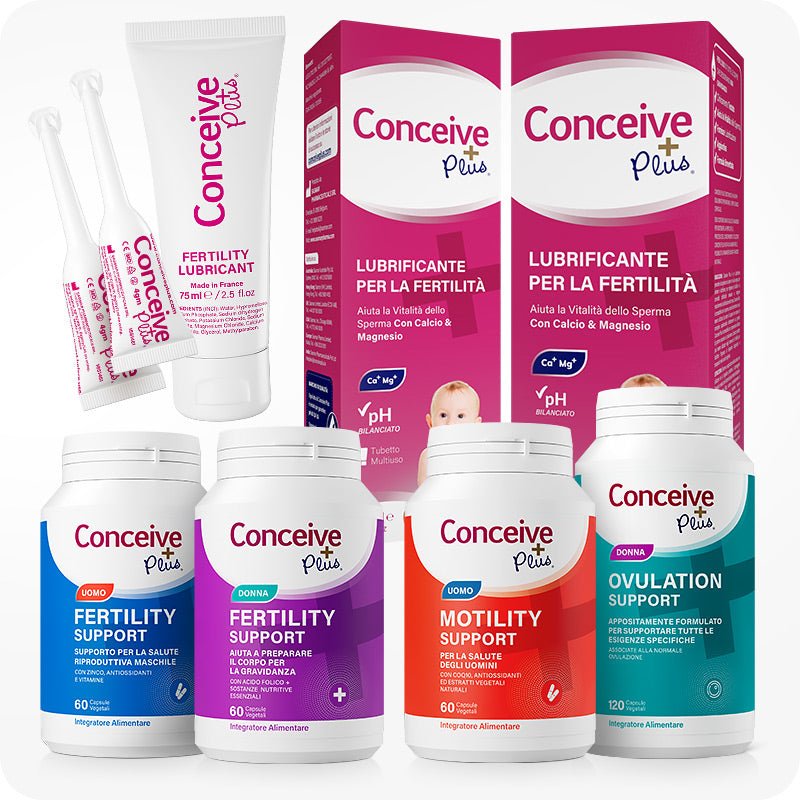
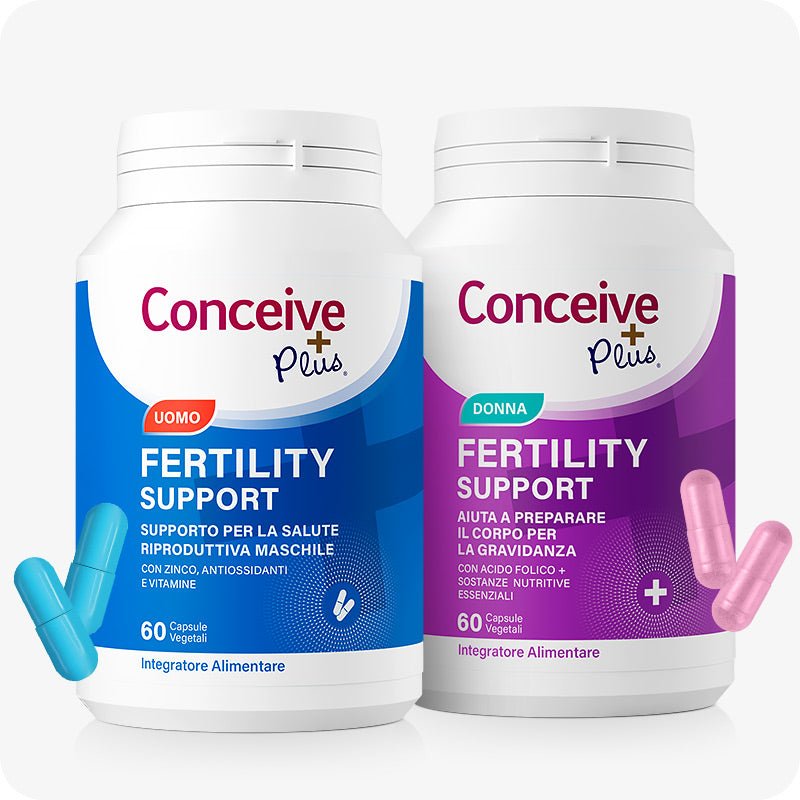
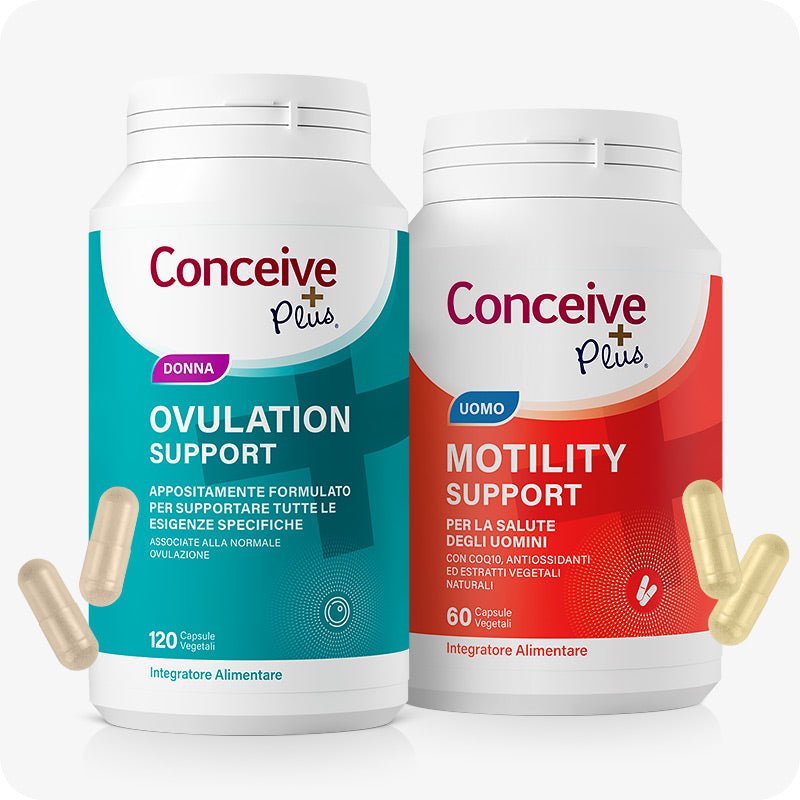
Male fertility relies heavily on specific minerals. Zinc and selenium are the primary building blocks for sperm morphology and motility. Without them, sperm may struggle to swim or possess the correct shape to penetrate an egg. Amino acids like L-arginine and L-carnitine provide the cellular fuel necessary for sperm energy. To ensure you aren't missing any critical components, many couples use fertility products and bundles that combine these targeted nutrients for both partners. This comprehensive approach is one of the best tips for trying to conceive because it addresses the nutritional needs of the entire team at once.
Lifestyle Adjustments: Common Pitfalls to Avoid
Your daily habits are just as influential as your biological timing. One of the most overlooked tips for trying to conceive involves the "Heat Factor" in men. Sperm production is incredibly sensitive to temperature. When the testes are exposed to heat from hot tubs, saunas, or even tight-fitting underwear, it can temporarily halt sperm production for weeks. Switching to loose boxers and avoiding prolonged heat exposure are simple changes that can significantly improve sperm count and quality within a few months.
Stress isn't just a mental burden; it's a physiological one. High levels of cortisol can disrupt the Hypothalamic-Pituitary-Ovarian (HPO) axis, which is the communication line between your brain and your reproductive organs. This disruption can delay or even stop ovulation entirely. Your sleep hygiene also plays a major role. Melatonin, the hormone that regulates sleep, also protects egg quality and regulates the menstrual cycle. Aim for 7 to 9 hours of quality rest to keep your reproductive hormones in balance.
Reducing your toxic load is another critical step for both partners. Endocrine disruptors like Bisphenol A (BPA) and phthalates, commonly found in plastic food containers and scented household products, can mimic hormones and interfere with conception. Swapping plastic for glass and choosing fragrance-free detergents can lower your exposure and improve your biological environment.
The Truth About Caffeine and Alcohol
In 2026, the clinical consensus for caffeine intake is a maximum of 200mg per day. This is roughly the amount in one or two small cups of coffee. Exceeding this limit has been linked to a longer time to conceive. Alcohol is even more straightforward. While older advice suggested occasional drinks were fine, current standards state that no amount of alcohol is proven safe when you are actively trying to get pregnant. In social settings, try ordering a sparkling water with lime to stay integrated without the risk.
Exercise: Finding the "Goldilocks" Zone
Movement is essential, but it must be the right kind. Moderate exercise like yoga or brisk walking improves pelvic blood flow, which supports the uterine lining. However, overtraining or extreme cardio can actually signal the body to stop ovulating because it perceives the high physical stress as a time of scarcity. For those with a higher Body Mass Index (BMI), research suggests that losing just 5% to 10% of body weight can restore regular ovulation cycles. These shifts are among the most powerful tips for trying to conceive naturally. If you're looking for comprehensive support while making these changes, consider using clinically proven fertility aids to optimize your environment.
Your Pre-Conception Action Plan: Next Steps
Success doesn't happen overnight. One of the most vital tips for trying to conceive is understanding the 90-day biological window. It takes approximately three months for an egg to reach full maturity before it's released during ovulation. This means the nutritional and lifestyle changes you make today are an investment in the eggs you'll release three months from now. You aren't just preparing for a positive test next week; you're building the biological foundation for a healthy pregnancy months in advance.
Before you dive deep into tracking, schedule a dedicated preconception check-up with your GP or OB/GYN. This visit is the time to run essential blood work to check for vitamin deficiencies or thyroid imbalances that might hinder your progress. You must also review your medicine cabinet with a professional. Many common prescriptions for blood pressure, skin conditions, or mental health need to be swapped for pregnancy-safe alternatives before you begin your journey. Knowing your body's baseline gives you the confidence to move forward without hidden hurdles.
Protect your relationship from "timed-intercourse burnout." When intimacy becomes a task dictated solely by a thermometer or a mobile app, stress levels can skyrocket. High cortisol levels can interfere with the delicate hormonal balance you're trying to achieve. Maintain a "fun-first" approach to intimacy. Focus on your emotional connection as a couple, and use your tracking data as a helpful guide rather than a rigid, high-pressure rulebook.
A 4-Step Checklist for Starting Your Journey
- Step 1: Start a high-quality prenatal supplement immediately, ensuring it contains methylfolate and choline for early neural development.
- Step 2: Track at least two full cycles to understand your personal "normal" before worrying about specific timing.
- Step 3: Switch to sperm-friendly intimacy products, which you can often find in special offers to help manage the costs of your journey.
- Step 4: Audit your kitchen and bathroom to remove products containing BPA and phthalates, which can mimic hormones and disrupt your cycle.
When to Seek Professional Help
While most couples conceive within 12 months, you don't always have to wait that long. If you are under 35, the standard clinical recommendation is to seek a fertility specialist after one year of regular, unprotected intercourse. If you are over 35, that window drops to six months. However, you should listen to your body regardless of age. If you experience red flags like irregular periods, chronic pelvic pain, or have a known history of PCOS or Endometriosis, schedule a consultation sooner. Being proactive is one of the best tips for trying to conceive because it ensures you get the support you need when you need it. Stay positive; the majority of couples find success with the right combination of timing and health optimization.
Empower Your Journey to Parenthood Today
Building a family starts with intentional shifts in your daily routine. By mastering your fertile window and optimizing your biological environment, you've already taken the most important steps toward a healthy pregnancy. Remember that fertility is a team sport; focusing on nutritional foundations for both partners and protecting your body from environmental stressors over a 90-day window can make a profound difference. These science-backed tips for trying to conceive give you the control and confidence needed to navigate this path with clarity.
Success often comes down to creating the most supportive environment possible for sperm and egg to meet. To give yourself every advantage, start your journey with the world’s leading fertility-friendly products. Recommended by doctors in over 70 countries and trusted by millions of couples since 2008, our formulas are clinically tested for sperm safety and motility. You don't have to do this alone. With the right tools and a proactive plan, you're well on your way to meeting the newest member of your family. Stay positive and trust the process.
Frequently Asked Questions
How long does it typically take to conceive after stopping birth control?
Most women resume their natural ovulation cycle within one to three months after stopping hormonal birth control. If you used barrier methods like condoms, your fertility returns immediately. However, those who used the contraceptive injection might find it takes up to a year for their regular cycle to stabilize. It's helpful to track your first few periods to see how quickly your body recalibrates.
Can certain positions during sex increase the chances of getting pregnant?
There is no scientific evidence that specific sexual positions improve your odds of conception. Sperm are designed to be highly mobile and reach the cervix within seconds of ejaculation regardless of the angle or gravity. While some couples prefer to lie flat for a few minutes afterward for comfort, it hasn't been proven to change the clinical outcome of a cycle.
How often should we have sex when trying to conceive?
Having intercourse every one to two days during your six-day fertile window provides the highest probability of success. This consistent frequency ensures that a fresh supply of healthy sperm is always present in the reproductive tract when the egg is released. You don't need to have sex multiple times a day; once every 48 hours is sufficient to maintain optimal sperm levels.
Is it possible to ovulate and not get pregnant even with perfect timing?
It is very common to miss conception even with perfect timing because healthy couples only have about a 25% chance of pregnancy each month. Many factors beyond timing, such as the chromosomal health of the embryo or the receptivity of the uterine lining, must align perfectly. This is why many doctors suggest a full year of effort for those under age 35.
Does stress actually cause infertility, or is that a myth?
High levels of chronic stress can delay or suppress ovulation by disrupting the brain's signaling to the ovaries, but it is rarely the only cause of infertility. While managing your mental health is among the useful tips for trying to conceive, normal daily stress won't usually prevent pregnancy. Focus on sustainable self-care rather than the impossible goal of being completely stress-free.
What are the earliest signs of pregnancy I should look for?
The earliest physical signs often include breast sensitivity, unusual fatigue, and mild pelvic cramping that feels different from a typical period. Some women notice light spotting, known as implantation bleeding, about 6 to 12 days after fertilization. However, many women feel no symptoms at all until they are several weeks along, so a missed period remains the most reliable indicator.
Are there specific foods that act as "fertility superfoods"?
No single food acts as a magic bullet, but a diet high in leafy greens, walnuts, and wild-caught fish provides the building blocks for reproductive health. These foods are rich in omega-3 fatty acids and plant-based proteins that support regular ovulation. Avoiding trans fats and highly processed sugars helps maintain the steady insulin levels required for a balanced hormonal environment.
Should I take a prenatal vitamin even before I am pregnant?
You should start a prenatal vitamin at least three months before you begin active attempts. This ensures your body has a "nutrient bank" of folate, which is vital for the baby's neural tube development in the first 28 days of pregnancy. Starting early is one of the most effective tips for trying to conceive because it protects the pregnancy before you even see a positive test.
🌱 Support Your Fertility Journey
Conceive Plus fertility supplements are clinically formulated to help regulate your cycle and support egg quality.
Shop Fertility Support →Trusted by Couples in Over 70 Countries
Support Male Fertility From the Inside Out
Male fertility is just as important as female fertility in the conception journey. Conceive Plus Men's range delivers targeted nutritional support to promote healthy sperm and overall reproductive wellbeing.
Shop Men's Range →