Endometriosis and Fertility: Understanding Your Options and Path to Conception in 2026


A diagnosis of endometriosis can feel like the ground shifting beneath you — especially when you are hoping to start or grow a family. You may have spent months, even years, searching for answers to unexplained pain, difficult periods, or unsuccessful conception attempts, only to finally receive a name for what your body has been experiencing. That name comes with a complicated mix of relief and fear.
The fear is understandable. Endometriosis is one of the most common gynaecological conditions in the world, affecting an estimated 190 million women and people with uteruses globally — roughly 10% of those of reproductive age, according to the World Health Organization. And yet it remains chronically under-diagnosed, with research published in Human Reproduction finding an average delay of 7 to 10 years between the onset of symptoms and a confirmed diagnosis in Europe.
The good news is that an endometriosis diagnosis is not a verdict on your fertility. Many people with endometriosis conceive naturally. Many others do so with medical support. Understanding how the condition works — and what your realistic options are — is the first and most empowering step you can take.
This guide brings together the latest evidence, practical strategies, and compassionate guidance to help you navigate the path from diagnosis to conception with clarity and confidence.
What Is Endometriosis? Understanding the Condition
Endometriosis is a chronic, systemic inflammatory condition in which tissue that resembles the endometrium — the inner lining of the uterus — grows outside the uterine cavity. These lesions most commonly appear on the ovaries, fallopian tubes, the outer surface of the uterus, and the tissue lining the pelvis. In rarer but more severe cases, they may extend to the bowel, bladder, diaphragm, or even distant organs.
Unlike the endometrium itself, these lesions have no pathway out of the body. Each menstrual cycle, they respond to hormonal fluctuations — proliferating, breaking down, and bleeding — but the blood and cellular debris become trapped. Over time, this leads to chronic inflammation, the formation of scar tissue (adhesions), and the development of fluid-filled cysts on the ovaries known as endometriomas, or "chocolate cysts."
Endometriosis is classified in four stages (I through IV) by the American Society for Reproductive Medicine, ranging from minimal (a few small lesions) to severe (extensive deep infiltrating disease with significant adhesions). However — and this is critical — stage does not reliably predict pain severity or fertility impact. Some people with Stage IV disease conceive spontaneously, while others with Stage I experience significant fertility challenges.
The causes of endometriosis are not fully understood, though current research points to a combination of retrograde menstruation (backflow of menstrual tissue through the fallopian tubes), immune dysfunction that fails to clear misplaced cells, hormonal imbalances — particularly oestrogen dominance — and genetic predisposition. A 2024 genome-wide association study published in Nature Genetics identified over 40 genetic loci associated with endometriosis risk, underscoring its complex biological foundations.
Symptoms vary widely. Common presentations include severe dysmenorrhoea (painful periods), pelvic pain outside of menstruation, pain during or after sex, painful bowel movements or urination, heavy or irregular bleeding, fatigue, and difficulty conceiving. Some individuals experience no symptoms at all and only discover the condition during fertility investigations.
How Endometriosis Affects Fertility: The Mechanisms
Recommended by Fertility Experts
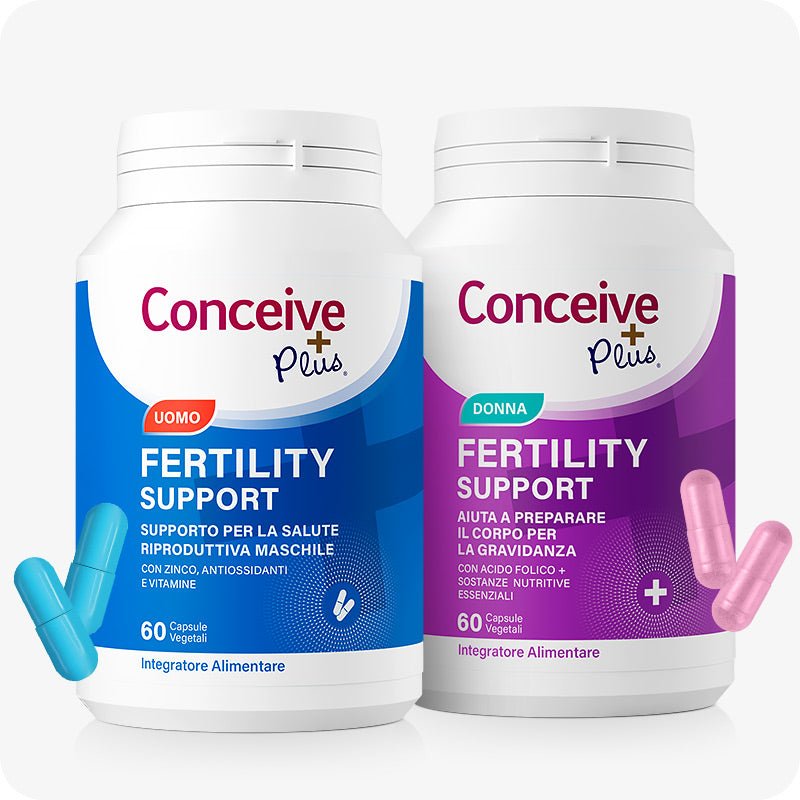
Conceive Plus Men's Fertility Support
Designed to support healthy sperm production, motility, and overall male reproductive health with clinically studied nutrients.
Shop Now →Endometriosis interferes with fertility through several interconnected biological pathways. Understanding these mechanisms helps make sense of your treatment options and why certain interventions work.
1. Anatomical distortion. In moderate to severe disease, adhesions and scar tissue can distort the fallopian tubes, ovaries, and uterus. Blocked or kinked tubes prevent the egg and sperm from meeting, while adhesions can restrict the ovary's ability to release eggs effectively.
2. Ovarian reserve impairment. Endometriomas (ovarian cysts caused by endometriosis) can damage ovarian tissue, reducing the quantity and quality of eggs. A 2022 meta-analysis in Fertility and Sterility confirmed that women with endometriomas have significantly lower anti-Müllerian hormone (AMH) levels — a key marker of ovarian reserve — compared to controls.
3. Inflammatory pelvic environment. The peritoneal fluid of women with endometriosis contains elevated levels of inflammatory cytokines, prostaglandins, and immune cells. This hostile environment can impair sperm function, disrupt fertilisation, and interfere with embryo implantation. Research published in the European Journal of Obstetrics & Gynaecology and Reproductive Biology (2023) found that peritoneal fluid from endometriosis patients significantly reduced sperm motility in controlled laboratory conditions.
4. Impaired implantation. Even when fertilisation occurs, endometriosis appears to alter the receptivity of the endometrium itself. Studies suggest abnormalities in the expression of implantation markers (including integrins and pinopodes) during the "window of implantation," making it harder for an embryo to successfully attach.
5. Hormonal and immune dysregulation. Endometriosis is associated with elevated oestrogen, progesterone resistance, and dysregulated immune responses. These systemic effects can disrupt ovulation, luteal phase function, and the delicate hormonal orchestration required for conception.
Taken together, these mechanisms mean that fertility challenges in endometriosis are multifactorial — which is also why a multifaceted approach to treatment tends to produce the best outcomes.
Diagnosing Endometriosis: From Symptoms to Laparoscopy
One of the great injustices of endometriosis is how long it takes to diagnose. The average diagnostic delay in Europe remains between 7 and 10 years, according to a 2020 review in the Journal of Endometriosis and Uterine Disorders. This is partly because symptoms overlap with conditions like irritable bowel syndrome and pelvic inflammatory disease, and partly because period pain has historically been dismissed or normalised.
If you are experiencing symptoms that suggest endometriosis, or if you have been trying to conceive for 6 to 12 months without success, it is important to advocate clearly with your healthcare provider.
Diagnostic tools include:
- Clinical history and symptom assessment: A detailed discussion of your cycle, pain patterns, and fertility history is the starting point.
- Pelvic ultrasound: Transvaginal ultrasound is effective at detecting endometriomas on the ovaries and some deep infiltrating lesions, though it cannot identify superficial peritoneal endometriosis.
- MRI (Magnetic Resonance Imaging): Provides more detailed imaging, particularly for deep infiltrating disease affecting the bowel or bladder.
- CA-125 blood test: Elevated in some endometriosis cases, though not specific enough to be diagnostic on its own.
- Laparoscopy: The gold standard. A minimally invasive surgical procedure in which a camera is inserted through a small incision to directly visualise and biopsy lesions. This is the only way to definitively confirm endometriosis and also allows for simultaneous surgical treatment.
In many European countries, guidelines now support empirical treatment (such as hormonal therapy) before laparoscopy in patients with clear clinical presentations, particularly to reduce surgical risks and delays. However, for those with fertility concerns, earlier laparoscopy may be recommended to both confirm the diagnosis and assess the reproductive anatomy.
Do not hesitate to seek a second opinion or referral to a specialist endometriosis centre — in countries like the UK, France, Germany, and the Netherlands, accredited centres exist with multidisciplinary expertise in managing this condition.
Natural Conception with Endometriosis: What Are the Chances?
The relationship between endometriosis and natural fertility is nuanced, and the statistics are often more encouraging than people expect — particularly for those with mild to moderate disease.
Studies consistently show that approximately 60–70% of women with endometriosis are able to conceive — either naturally or with fertility treatment. The probability of natural conception depends on several factors: the stage and location of disease, age, ovarian reserve, partner fertility, and how long you have been trying.
For Stage I and II endometriosis (minimal to mild), monthly fecundity rates (the probability of conception per cycle) are estimated at 2–10% compared to 15–20% in the general population. With Stage III and IV disease, rates are lower but not negligible, especially following surgical treatment.
A 2021 systematic review in Human Reproduction Update found that surgical removal of endometriomas improved spontaneous pregnancy rates in women with Stage I/II disease trying naturally, though the benefit was less clear in more advanced cases where IVF might be recommended as a first-line option.
Factors that support natural conception with endometriosis include:
- Younger age (under 35), as ovarian reserve is better preserved
- Mild to moderate disease without significant anatomical distortion
- Normal semen analysis in your partner
- Regular ovulation confirmed by tracking
- Proactive lifestyle and nutritional support
- Stress management and emotional wellbeing
If you have been diagnosed with endometriosis and are trying to conceive, most European reproductive specialists recommend a fertility evaluation — including an AMH test, antral follicle count, and semen analysis — before deciding on the best approach. Time is a factor, and a personalised plan is always more effective than waiting and hoping.
Medical Treatments and Surgical Options for Endometriosis Fertility
Managing endometriosis in the context of fertility requires a careful balance: treating the condition aggressively enough to improve conception chances, without inadvertently reducing ovarian reserve or delaying attempts to conceive.
Hormonal suppression therapy (such as combined oral contraceptives, progestins, GnRH agonists, or GnRH antagonists) effectively reduces endometriosis activity and pain, but it also prevents conception. These treatments are not used during active attempts to conceive but may be used in the period before planned IVF to downregulate the condition and improve treatment outcomes.
Laparoscopic surgery is the cornerstone of fertility-focused endometriosis management. Surgical objectives include:
- Excision or ablation of endometriotic lesions
- Drainage and removal of endometriomas
- Lysis (cutting) of adhesions to restore normal anatomy
- Restoration of tubal patency if tubes are blocked
A landmark 2020 Cochrane review confirmed that laparoscopic surgery significantly improves live birth rates in women with Stage I/II endometriosis compared to diagnostic laparoscopy alone. However, repeated surgeries on the ovaries carry risk — each procedure may further reduce ovarian reserve, and the balance of benefit versus risk must be carefully considered.
For women with significant endometriomas (typically over 3–4 cm), surgery before IVF is often recommended to improve egg retrieval outcomes, though this decision should always involve consultation with a reproductive endocrinologist.
Post-surgical fertility window: After laparoscopic surgery, many specialists recommend attempting natural conception for 6–12 months before moving to assisted reproduction — as disease recurrence is common and natural conception rates peak in the first 6–18 months post-surgery.
IVF and Assisted Reproduction for Endometriosis Patients
For many people with endometriosis — particularly those with severe disease, significant ovarian reserve reduction, bilateral endometriomas, or failed natural conception — in vitro fertilisation (IVF) is a powerful and well-established pathway to parenthood.
IVF bypasses many of the fertility obstacles posed by endometriosis: it retrieves eggs directly from the ovaries (circumventing tubal issues), fertilises them in a controlled laboratory environment, and transfers embryos directly into the uterus (addressing implantation concerns with optimised timing).
Outcomes for endometriosis patients undergoing IVF have improved substantially with advances in stimulation protocols, embryo culture, and endometrial preparation. A large 2023 study published in Reproductive BioMedicine Online found that cumulative live birth rates after multiple IVF cycles in endometriosis patients approached 65–70% in women under 35 — comparable to other infertility causes.
Key considerations for IVF with endometriosis:
- Pre-treatment suppression: A 3–6 month course of GnRH agonists before IVF (the "long protocol") has been shown to improve implantation rates in endometriosis patients by reducing inflammatory activity.
- Frozen embryo transfer (FET): Transferring frozen embryos in a subsequent cycle — rather than fresh transfer — may improve outcomes by allowing the uterus to recover from stimulation-related inflammation.
- Endometrial receptivity testing: Tools such as the ERA (Endometrial Receptivity Analysis) test can identify the personalised implantation window, which may be displaced in some endometriosis patients.
- Ovarian stimulation care: Endometriosis patients may respond differently to stimulation protocols, and specialist monitoring is essential to balance adequate egg retrieval with ovarian protection.
Intrauterine insemination (IUI) may be an option for mild endometriosis where tubes are patent, though evidence suggests its success rates in endometriosis are more modest than IVF.
Nutrition, Anti-Inflammatory Diet, and Lifestyle for Endometriosis
While there is no diet that cures endometriosis, accumulating evidence — including a 2022 systematic review in the Nutrients journal — supports the role of anti-inflammatory nutrition in reducing symptom burden, modulating oestrogen levels, and supporting fertility in women with endometriosis.
Foods to emphasise:
- Omega-3 fatty acids: Found in oily fish (salmon, mackerel, sardines), walnuts, and flaxseed. Omega-3s have demonstrated anti-inflammatory effects and may reduce prostaglandin-driven pain. A 2023 randomised trial in Fertility and Sterility found omega-3 supplementation reduced endometriosis-related pain scores by 30% over 6 months.
- Cruciferous vegetables: Broccoli, kale, Brussels sprouts, and cauliflower contain compounds (indole-3-carbinol, DIM) that support oestrogen metabolism — helping the body clear excess oestrogen more efficiently.
- Colourful antioxidant-rich produce: Berries, tomatoes, leafy greens, and peppers provide antioxidants that combat oxidative stress in the peritoneal environment.
- Whole grains and legumes: Support gut health, which plays a significant role in oestrogen regulation through the "oestrobolome" — the set of gut bacteria that metabolise oestrogen.
- Olive oil and avocado: Monounsaturated fats with anti-inflammatory properties.
Foods to minimise:
- Red and processed meats (associated with higher endometriosis risk in epidemiological studies)
- Trans fats and highly processed foods (pro-inflammatory)
- Excess alcohol (disrupts oestrogen metabolism and liver function)
- High-glycaemic refined carbohydrates (drive insulin and inflammatory signalling)
Lifestyle strategies with evidence:
- Regular moderate exercise: A 2021 study in the American Journal of Obstetrics and Gynecology found that women who exercised regularly had significantly lower endometriosis risk and reduced symptom severity. Aim for 150 minutes of moderate activity per week.
- Stress management: Chronic stress drives cortisol and inflammatory pathways that can worsen endometriosis. Mindfulness, yoga, and breathwork have shown measurable benefits in endometriosis symptom trials.
- Sleep quality: Poor sleep is associated with elevated inflammatory markers. Prioritising 7–9 hours supports hormonal balance and immune regulation.
- Reducing environmental oestrogen exposure: Minimise use of plastics (particularly BPA-containing products), conventional cleaning products, and pesticide-heavy produce where possible.
Supplements and Nutritional Support for Endometriosis Fertility
Targeted nutritional supplementation can play a meaningful supporting role for women with endometriosis who are trying to conceive — addressing specific deficiencies, modulating inflammation, and supporting egg quality and hormonal balance.
Key supplements with evidence in endometriosis and fertility:
- Folate/Methylfolate: Essential for DNA synthesis and early neural development; all women planning pregnancy are recommended to supplement. Women with the MTHFR gene variant (more common in those with endometriosis) may benefit from the active methylated form (5-MTHF) rather than folic acid.
- Omega-3 (EPA/DHA): Anti-inflammatory; supports egg quality and implantation. Choose a high-quality fish oil or algae-based supplement for vegans.
- Vitamin D: Deficiency is common across Europe — studies show 60–70% of Northern Europeans are deficient. Vitamin D has immune-modulating and anti-inflammatory effects directly relevant to endometriosis, and low levels are associated with poorer IVF outcomes.
- Magnesium: Supports smooth muscle relaxation (relevant to menstrual cramping), sleep quality, and stress resilience. Magnesium glycinate or citrate is well-tolerated.
- N-Acetyl Cysteine (NAC): A potent antioxidant and precursor to glutathione. A 2013 randomised trial in Evidence-Based Complementary and Alternative Medicine found NAC was comparable to a common medical treatment in reducing endometrioma size over 3 months.
- Coenzyme Q10 (CoQ10): Supports mitochondrial function in eggs; particularly valuable for women over 35 or those with reduced ovarian reserve from endometriomas.
- Zinc and Selenium: Antioxidant minerals that support immune function and protect developing eggs from oxidative damage.
- Iron: Endometriosis-related heavy bleeding can cause iron deficiency; supplement if blood tests confirm low ferritin, but avoid unnecessary supplementation as excess iron can be pro-oxidative.
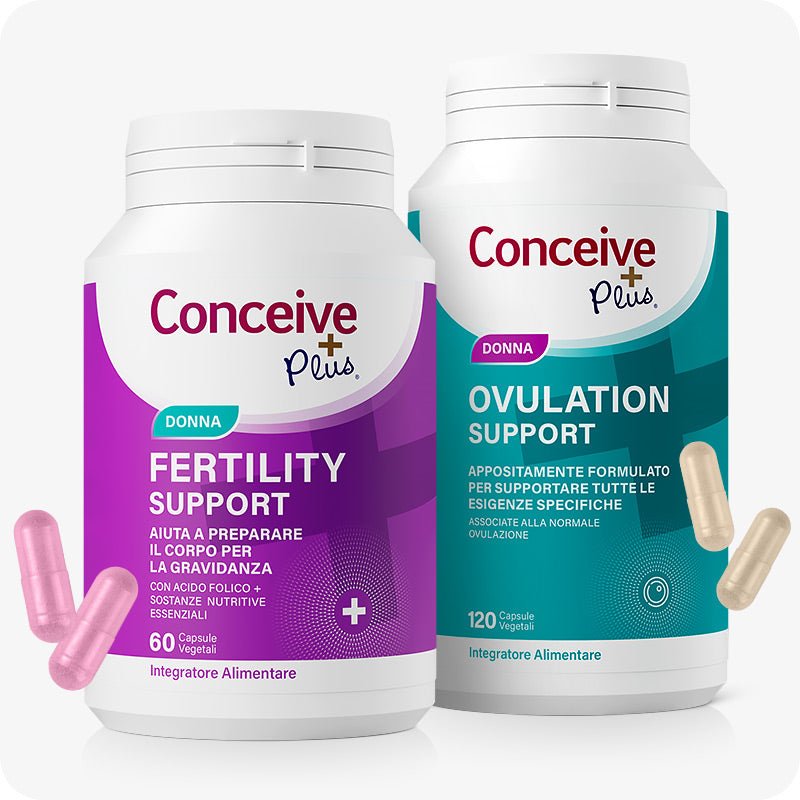
A comprehensive prenatal supplement designed for women trying to conceive — one that combines these key nutrients in bioavailable forms — can simplify this process considerably, ensuring you cover your bases without managing dozens of individual capsules.
How Conceive Plus Can Support Your Journey
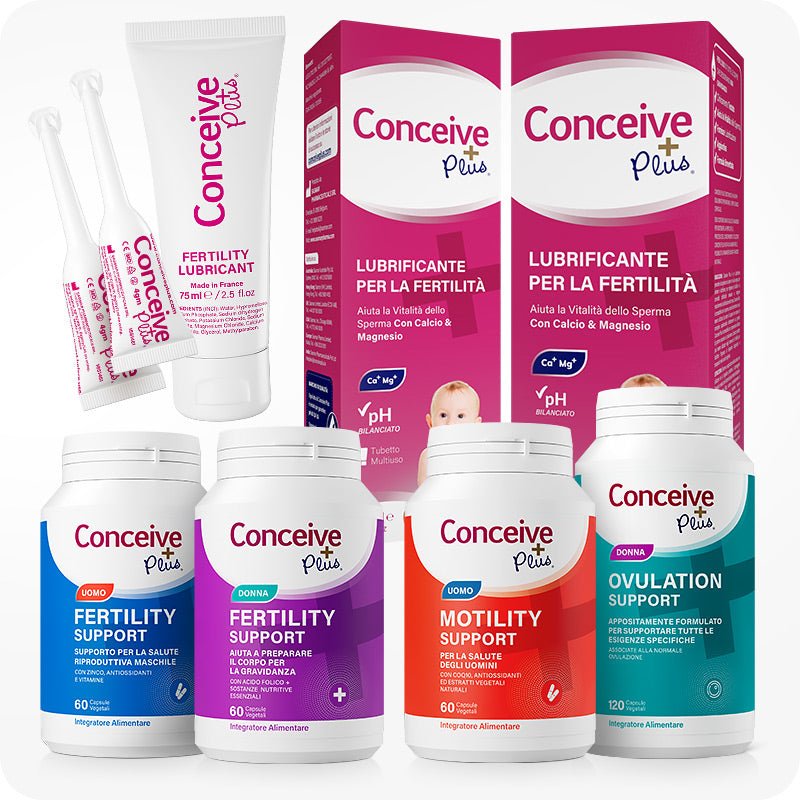
At Conceive Plus, we understand that the path to parenthood with endometriosis requires comprehensive support — for both partners, across multiple dimensions of health. Our products are formulated with evidence-based ingredients to support fertility from the inside out.
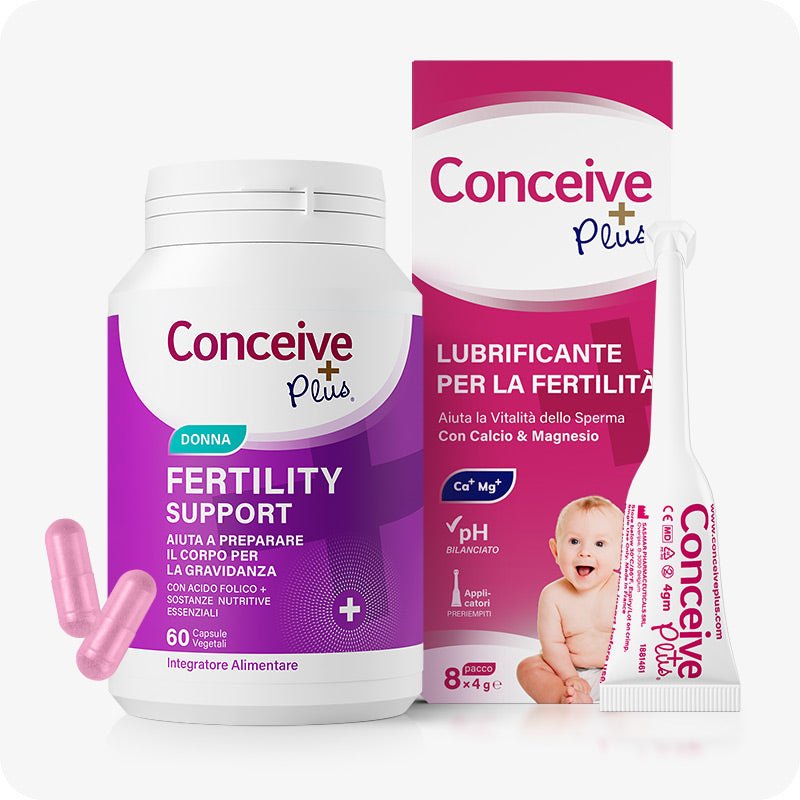
The Conceive Plus Couples Bundle pairs Women's Fertility Support and Men's Fertility Support in a convenient combined pack — because conception is a shared journey, and male fertility factors deserve equal attention. Women's Fertility Support provides a comprehensive blend of folate, antioxidants, CoQ10, and essential vitamins and minerals to support egg quality, hormonal balance, and reproductive health. Men's Fertility Support targets sperm count, motility, and morphology — the three pillars of male fertility.
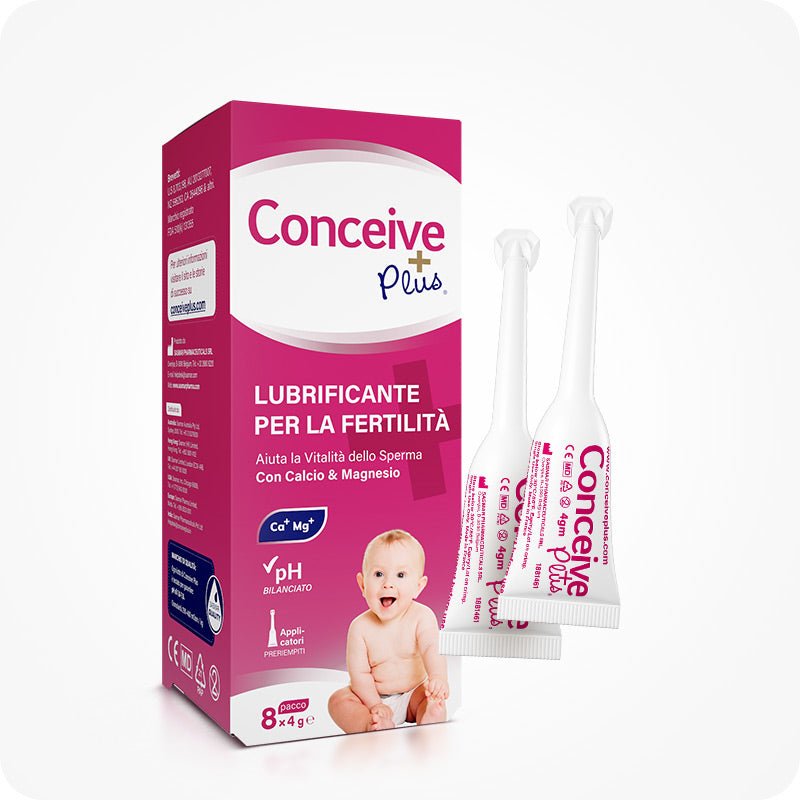
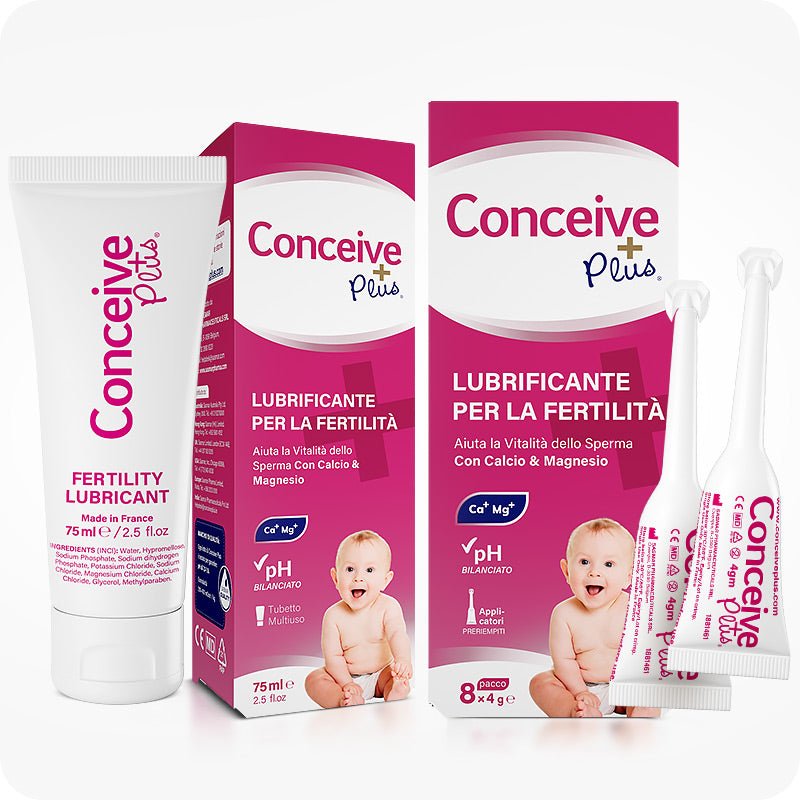
Shop Fertility Support Bundle →For couples trying to conceive naturally, Conceive Plus Fertility Lubricant is an important addition. Many standard lubricants are toxic to sperm, reducing the chance of conception with each cycle. Conceive Plus Fertility Lubricant is specifically formulated to be sperm-friendly — isotonic, pH-balanced to match fertile cervical mucus, and free from harmful chemicals. It also contains calcium and magnesium ions, which support sperm motility and function.
Shop Fertility Lubricant →Frequently Asked Questions: Endometriosis and Fertility
Can I get pregnant naturally with endometriosis?
Yes — many people with endometriosis conceive naturally. Studies suggest that approximately 60–70% of women with endometriosis are able to have children, either naturally or with treatment. The likelihood depends on the stage of disease, your age, ovarian reserve, and other fertility factors. A specialist evaluation is recommended for personalised guidance.
Does endometriosis always cause infertility?
No. Endometriosis is associated with reduced fertility, but it does not necessarily cause infertility. Many women with even severe disease conceive naturally. The impact on fertility varies widely depending on the extent, location, and type of endometrial lesions.
Should I have surgery before trying to conceive?
This depends on your individual situation. For women with endometriomas (ovarian cysts) over 3–4 cm, blocked tubes, or significant anatomical distortion, laparoscopic surgery is often recommended before attempting conception. For those with mild disease and good ovarian reserve, natural conception attempts first may be appropriate. Always discuss this decision with a reproductive specialist.
How does endometriosis affect IVF success rates?
IVF outcomes in endometriosis patients have improved significantly. Cumulative live birth rates in women under 35 now approach 65–70% over multiple cycles. Pre-treatment with GnRH agonists and frozen embryo transfer protocols have specifically improved outcomes for endometriosis patients.
Can diet really help endometriosis fertility?
Evidence supports the role of anti-inflammatory nutrition in reducing endometriosis symptoms and supporting fertility. Diets rich in omega-3 fatty acids, cruciferous vegetables, antioxidants, and whole foods — and low in processed meats, trans fats, and refined sugars — have been associated with lower endometriosis risk and improved symptom profiles. Diet alone won't treat endometriosis, but it is a meaningful complement to medical management.
Is there a risk of endometriosis recurring after surgery?
Yes. Endometriosis recurrence rates after surgery are estimated at 20–40% within 5 years. This is one reason why attempting conception in the months immediately following surgery — when the pelvic environment is most favourable — is often recommended. Hormonal suppression therapy after surgery can delay recurrence, but it also prevents conception.
How do I know if endometriosis has affected my ovarian reserve?
An AMH (anti-Müllerian hormone) blood test and a transvaginal ultrasound to count antral follicles (AFC) are the primary tools for assessing ovarian reserve. These tests can be arranged through your GP or a fertility clinic. Lower than average AMH for your age suggests reduced ovarian reserve — common with endometriomas — and may influence treatment recommendations.
What is the best age to start trying to conceive with endometriosis?
Earlier is generally better, as ovarian reserve declines with age and endometriosis can progressively reduce this reserve. If you have been diagnosed with endometriosis and plan to have children, a fertility evaluation in your mid-to-late twenties or early thirties — even before you are ready to try — allows time for informed planning and, if appropriate, egg freezing.
Can stress worsen endometriosis and fertility?
Chronic psychological stress activates inflammatory and hormonal pathways that can aggravate endometriosis symptoms and disrupt the hormonal balance needed for conception. Mind-body practices including yoga, mindfulness, and cognitive behavioural therapy have demonstrated meaningful benefits in endometriosis research and are recommended as part of a holistic management plan.
Are there any fertility supplements specifically recommended for endometriosis?
While no single supplement treats endometriosis, a combination of folate/methylfolate, omega-3 fatty acids, Vitamin D, CoQ10, magnesium, NAC, zinc, and selenium has research support for reducing oxidative stress, supporting egg quality, and complementing medical treatment. A comprehensive prenatal supplement that covers these key nutrients is a practical starting point.
Conclusion: Your Path to Conception Is Possible
Endometriosis is a complex, frustrating, and often misunderstood condition — but it is not a dead end. Thousands of people across Europe and around the world who carry this diagnosis go on to have the families they dreamed of, through natural conception, surgical support, assisted reproduction, or a combination of all three.
The most important steps you can take right now are to get informed, get evaluated, and get supported — medically, nutritionally, and emotionally. An endometriosis diagnosis is the beginning of a new chapter of understanding your body, not the end of your fertility story.
Arm yourself with knowledge. Build your team of specialists. Nourish your body with intention. And know that every step forward — however small — is a step toward the life you are working for.
Conceive Plus is here to walk that path with you.
Explore Fertility Support for Your Journey →Trusted by Couples in Over 70 Countries
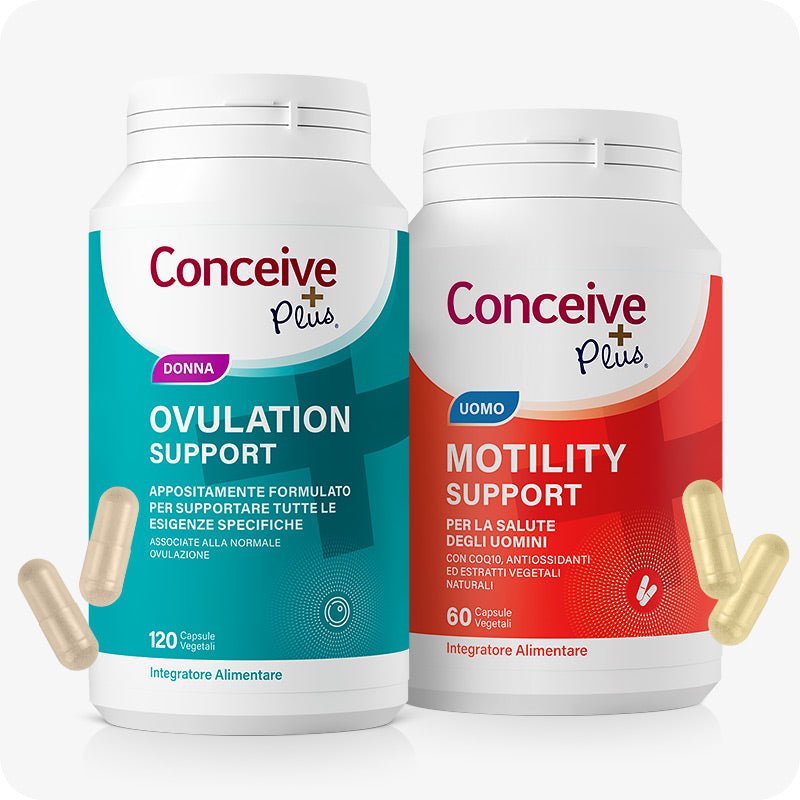
Support Male Fertility From the Inside Out
Male fertility is just as important as female fertility in the conception journey. Conceive Plus Men's range delivers targeted nutritional support to promote healthy sperm and overall reproductive wellbeing.
Shop Men's Range →