Fertility Diet: The Best Foods to Eat When Trying to Conceive


Fertility Diet: The Best Foods to Eat When Trying to Conceive
What you eat in the months before conception has a profound effect on your reproductive health — from egg and sperm quality to hormonal balance, uterine environment, and early embryo development. A targeted fertility diet isn't about restriction or deprivation; it's about providing your body with the specific nutrients it needs to function optimally at one of the most biologically demanding moments in life.
The science behind dietary influences on fertility has expanded significantly in the past decade, with large prospective studies, randomised trials, and mechanistic research now painting a clear picture: certain dietary patterns dramatically improve fertility outcomes, while others actively impair them. This guide covers what the evidence actually says — and how to put it into practice.
The Mediterranean Diet: The Gold Standard Fertility Diet
Among all dietary patterns studied in fertility research, the Mediterranean diet has the most consistent and robust evidence for improving reproductive outcomes in both men and women. Characterised by high intake of vegetables, legumes, whole grains, olive oil, nuts, seeds, fish, and moderate amounts of dairy — with low intake of red meat, processed foods, and refined carbohydrates — the Mediterranean diet supports fertility through multiple mechanisms.
Key evidence:
- A 2018 prospective study of 244 women undergoing IVF found that adherence to the Mediterranean diet was associated with a 40% higher probability of clinical pregnancy and 35% higher live birth rate.
- A 2019 meta-analysis of 7 studies found that a Mediterranean dietary pattern was significantly associated with higher clinical pregnancy rates in couples undergoing ART.
- Male fertility studies show Mediterranean diet adherence correlates with improved sperm concentration, motility, and morphology.
The Mediterranean fertility diet supports reproduction through: reducing systemic inflammation (which impairs follicular development and endometrial receptivity), providing antioxidants that protect gametes from oxidative damage, supporting healthy insulin sensitivity (critical for ovarian function), and delivering key micronutrients in bioavailable forms.
Foods to Prioritise on a Fertility Diet
Ready to Start Your Fertility Journey?
Explore Conceive Plus — clinically formulated to support your path to parenthood.
Shop Now →Leafy Green Vegetables
Spinach, kale, broccoli, Swiss chard, and other dark leafy greens are fertility powerhouses — rich in folate (essential for DNA synthesis and neural tube development), iron (supporting blood production and oxygen delivery to the uterus), vitamin C (antioxidant protection for eggs and sperm), and vitamin K (supporting endometrial health).
Aim for 2–3 servings of dark leafy greens daily. Lightly cooking spinach and kale improves the bioavailability of some nutrients and reduces oxalate levels that can interfere with iron absorption.
Fatty Fish
Salmon, sardines, mackerel, anchovies, and herring are the richest dietary sources of omega-3 fatty acids (DHA and EPA) — critical for oocyte membrane composition, embryo development, and anti-inflammatory signalling. Omega-3 DHA is incorporated into developing egg cell membranes; higher follicular fluid omega-3 levels correlate with improved fertilisation and embryo quality.
Aim for 2–3 servings per week. Choose low-mercury species (salmon, sardines, herring, trout) and limit high-mercury fish (swordfish, shark, king mackerel) which can accumulate in tissue and affect neurological development.
Whole Grains
Brown rice, quinoa, oats, whole wheat bread, barley, and other whole grains provide slowly absorbed complex carbohydrates that maintain stable blood glucose and insulin levels. The Nurses' Health Study II — one of the most extensive fertility studies conducted — found that replacing high-glycaemic carbohydrates with whole grain options was associated with a significant reduction in ovulatory infertility risk.
Chronic elevated insulin from high-glycaemic diets drives ovarian androgen production and suppresses SHBG, creating conditions that impair regular ovulation. A whole grain-based fertility diet directly counters this mechanism.
Legumes and Plant Protein
The Nurses' Health Study also demonstrated that replacing animal protein with plant protein was associated with a 50% lower risk of ovulatory infertility. Lentils, chickpeas, black beans, edamame, and tofu provide protein alongside fibre, folate, iron, and phytoestrogens that can support hormonal balance.
Full-Fat Dairy
Counterintuitively, research from the Nurses' Health Study found that full-fat dairy (full-fat yoghurt, whole milk) was associated with lower ovulatory infertility risk, while low-fat dairy was associated with higher risk. The proposed mechanism involves ovarian androgen and oestrogen that are removed with the fat during skimming — which may then produce a different hormonal profile. One serving of full-fat dairy per day appears to be beneficial on a fertility diet.
Nuts and Seeds
Walnuts, almonds, Brazil nuts, pumpkin seeds, and flaxseeds deliver vitamin E (antioxidant protection for eggs and sperm), selenium (thyroid function, sperm tail structure), zinc (testosterone synthesis, sperm production), and alpha-linolenic acid (plant omega-3). Brazil nuts are the richest dietary source of selenium — just 2 per day meets the recommended daily requirement.
Avocados
Rich in monounsaturated fat, folate, vitamin K, and potassium, avocados are an excellent fertility food. A 2019 study found that women undergoing IVF who ate avocados (high in monounsaturated fat) had approximately 3.4 times higher odds of a live birth compared to those eating lower amounts. The researchers attributed this primarily to the monounsaturated fat content improving uterine lining quality.
Berries
Blueberries, strawberries, raspberries, and blackberries are some of the most antioxidant-rich foods available, delivering anthocyanins, vitamin C, and polyphenols that protect eggs and sperm from oxidative damage. Oxidative stress is a primary driver of reduced gamete quality — dietary antioxidants from berries and other colourful produce directly counter this mechanism.
Foods to Limit on a Fertility Diet
Trans Fats
Industrial trans fats (partially hydrogenated vegetable oils) are the single most fertility-harmful dietary fat. The Nurses' Health Study found that a 2% increase in trans fat calories was associated with a 73% higher risk of ovulatory infertility. Trans fats increase insulin resistance and systemic inflammation while disrupting cell membrane integrity. Check ingredient labels for "partially hydrogenated oils" — this remains a risk in some processed foods, crackers, and commercial baked goods.
Refined Carbohydrates and Sugar
White bread, pastries, sweets, sugary drinks, and other high-glycaemic foods drive insulin spikes that impair ovarian function. High sugar diets are also pro-inflammatory and increase advanced glycation end products (AGEs) that impair egg quality. Reducing sugar intake is one of the most impactful single changes in a fertility diet.
Processed and Red Meat
High intake of processed meats (bacon, sausage, deli meats) is associated with lower sperm quality in men and worse IVF outcomes in women. The saturated fat, nitrates, and oxidative compounds in processed meats appear to impair both sperm and egg quality. Replace with fish, poultry, legumes, and eggs as primary protein sources.
Alcohol
Even moderate alcohol consumption is associated with reduced fertility in both men and women. In women, alcohol disrupts oestrogen metabolism, ovarian function, and endometrial receptivity. In men, alcohol reduces testosterone, impairs sperm production, and increases oxidative stress in seminal plasma. The safest approach during active conception attempts is abstinence or very minimal intake.
High-Mercury Fish
Swordfish, shark, king mackerel, tilefish, and bigeye tuna accumulate methylmercury — a neurotoxin that impairs oocyte development and embryonic neurological programming. Limit to no more than 1 serving per month of high-mercury species; choose salmon, sardines, and trout for regular omega-3 intake.
Micronutrients You Cannot Get from Diet Alone
Even the most carefully constructed fertility diet leaves nutritional gaps. Key nutrients where supplementation is typically recommended:
- Methylfolate (5-MTHF): Dietary folate alone is often insufficient for pre-conception requirements, and folic acid in standard supplements is not optimally absorbed by women with MTHFR variants. Methylfolate supplement at 1–5mg/day is recommended.
- Vitamin D: Most people in Europe and higher latitudes have insufficient vitamin D levels for optimal fertility, even with regular outdoor activity. Testing and supplementing to target 40–60 ng/mL is recommended.
- DHA/EPA: Unless eating fatty fish 3+ times per week, omega-3 supplementation (1–2g combined DHA+EPA daily) fills an important gap.
- CoQ10: Dietary CoQ10 is found in heart muscle, kidney, and sardines — but not in amounts sufficient to meaningfully support oocyte mitochondrial function. Supplementation at 200–600mg/day is the practical approach.
- Iodine: Essential for thyroid function (which regulates the entire reproductive axis) and fetal neurological development. Many women are iodine insufficient; most prenatal vitamins and fertility supplements include iodine.
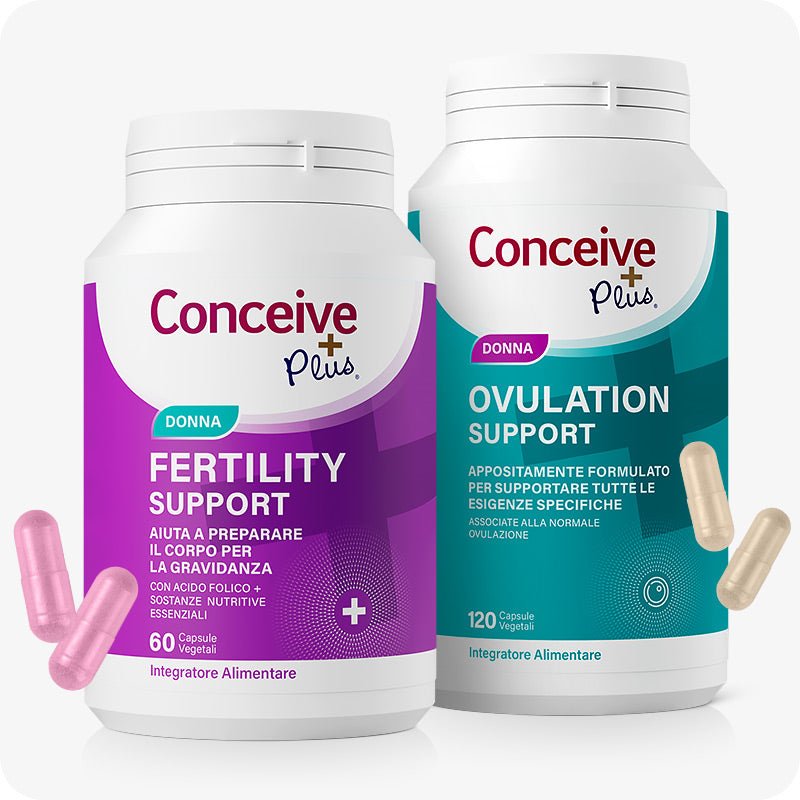
Conceive Plus women's fertility supplement is designed to complement a healthy fertility diet — filling the micronutrient gaps that even optimal whole-food eating leaves behind. Visit conceiveplus.eu to explore the range.
Male Fertility and Diet: The Often Overlooked Half
The fertility diet conversation often focuses exclusively on women — despite the fact that male factor contributes to approximately 40–50% of all fertility challenges. Diet affects sperm quality through the same core mechanisms as female fertility: oxidative stress, inflammation, insulin signalling, and micronutrient availability.
A dietary pattern associated with better sperm quality in men:
- High fruit and vegetable intake (antioxidant protection)
- Regular fatty fish consumption (DHA in sperm membranes)
- Whole grains over refined carbohydrates (insulin sensitivity)
- Walnuts specifically — a 2012 RCT showed 75g/day walnuts for 12 weeks improved progressive motility, morphology, and reduced DNA fragmentation
- Minimised alcohol and processed meat
- Brazil nuts (selenium for sperm tail structure and glutathione peroxidase)
Fertility Diet Meal Planning: A Practical Week
Making a fertility diet practical means building sustainable eating patterns rather than following a rigid protocol. A sample daily approach:
- Breakfast: Overnight oats with berries and walnuts + full-fat Greek yoghurt
- Lunch: Large salad with leafy greens, chickpeas, avocado, olive oil and lemon dressing + whole grain bread
- Dinner: Baked salmon with roasted vegetables and quinoa
- Snacks: Handful of mixed nuts + 2 Brazil nuts; apple with almond butter
This structure delivers leafy greens, omega-3s, whole grains, plant protein, full-fat dairy, antioxidant berries, and selenium — hitting the major fertility diet priorities in a practical, enjoyable way.
FAQ: Fertility Diet Questions Answered
Q1: How long does diet need to change before it affects fertility?
Egg development takes approximately 90 days from primordial to mature follicle — so dietary changes made today affect eggs recruited in the next cycle. Sperm take 74 days to mature. Starting a fertility diet at least 3 months before actively trying to conceive (or before a planned IVF cycle) provides meaningful time for improvement.
Q2: Is a vegan diet compatible with a fertility diet?
Yes — with careful planning. Vegan diets can be excellent fertility diets, but require particular attention to: vitamin B12 (supplement essential), omega-3 DHA/EPA (algae-based supplement replaces fish), iodine (seaweed provides it inconsistently; supplement preferred), zinc (phytates in legumes reduce absorption; soaking/sprouting helps), and iron (non-haem iron less bioavailable; pair with vitamin C).
Q3: Should I avoid soy on a fertility diet?
Evidence does not support avoiding soy for most women trying to conceive. Soy phytoestrogens (isoflavones) bind oestrogen receptors very weakly and research consistently shows no negative effect on fertility in typical dietary amounts. For women with oestrogen-sensitive conditions (certain fibroids, endometriosis), discuss soy intake with your gynaecologist.
Q4: Is caffeine bad for fertility?
High caffeine intake (>300mg/day — roughly 3 cups of coffee) is associated with modestly increased miscarriage risk. Moderate intake (<200mg/day — 1–2 cups of coffee) appears safe for fertility. Most guidelines recommend staying under 200mg/day when trying to conceive and during early pregnancy.
Q5: Do I need organic food on a fertility diet?
There's limited direct evidence that organic food improves fertility outcomes. However, reducing pesticide exposure is a reasonable precaution — prioritise organic for the "Dirty Dozen" (strawberries, spinach, kale, peaches, pears, etc.) and don't stress about produce that consistently tests low for pesticide residues.
Q6: Can a fertility diet improve egg quality?
Evidence suggests yes — diet can influence egg quality indirectly by reducing oxidative stress in follicular fluid, improving insulin sensitivity, reducing inflammation, and ensuring micronutrient availability during the 90-day maturation window. This is most meaningfully demonstrated for specific nutrients (CoQ10, antioxidants, omega-3s) rather than any single food.
Q7: What should I eat on the day of embryo transfer?
No specific evidence guides embryo transfer day nutrition specifically. Continue your general fertility diet. Some clinics suggest warming, easily digestible foods (soup, cooked vegetables) on transfer day for comfort. Avoid alcohol and maintain hydration.
Q8: Is gluten bad for fertility?
For women with coeliac disease — even undiagnosed — a strict gluten-free diet dramatically improves fertility outcomes (untreated coeliac is associated with reduced sperm quality and recurrent miscarriage). For those without coeliac disease or non-coeliac gluten sensitivity, there's no evidence that gluten impairs fertility. Don't restrict it unnecessarily.
Conclusion: Building Your Fertility Diet
The evidence is clear: a fertility diet centred on the Mediterranean pattern — rich in leafy greens, fatty fish, whole grains, legumes, healthy fats, and antioxidant-rich produce, while limiting trans fats, refined carbohydrates, alcohol, and processed meat — is one of the most powerful tools available to couples trying to conceive.
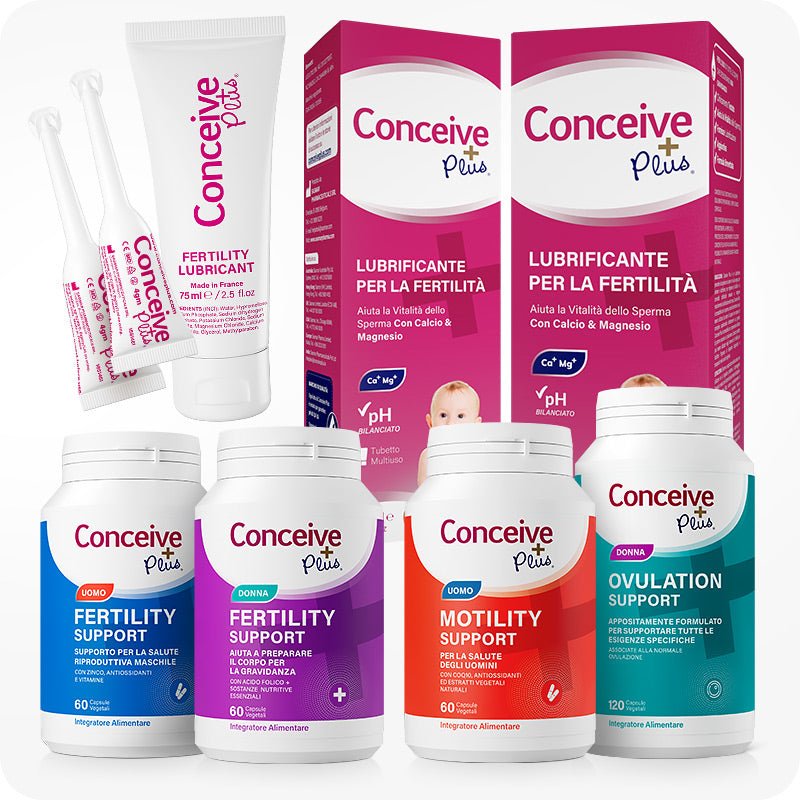
Pair your dietary improvements with targeted supplementation from Conceive Plus to cover the micronutrient gaps that even optimal whole-food eating can't fully address — and approach your fertility journey with both nutritional confidence and the right support.
Ready to Start Your Fertility Journey?
Explore Conceive Plus — clinically formulated to support your path to parenthood.
Shop Now →