Fertility Diet: What to Eat to Improve Your Chances of Conceiving


Fertility Diet: What to Eat to Improve Your Chances of Conceiving
The connection between diet and fertility is one of the most robust findings in reproductive medicine — and one of the most underutilised by couples trying to conceive. What you eat directly affects hormone production, egg quality, sperm quality, ovulation regularity, and endometrial receptivity. The fertility diet isn't a specialised medical regimen; it's a pattern of eating that supports reproductive biology at every level.
This evidence-based guide covers the most important research on diet and fertility, the specific foods and nutrients that show the strongest effects, and practical ways to implement a fertility-supportive eating pattern — for both partners.
The Foundation: Mediterranean-Style Fertility Diet
Of all dietary patterns studied in relation to fertility, the Mediterranean diet has the most consistent and compelling evidence base. Multiple prospective studies and meta-analyses link adherence to Mediterranean-style eating with significantly improved fertility outcomes in both women and men.
A landmark study in Human Reproduction followed 161 couples undergoing IVF and found that women with the highest adherence to a Mediterranean fertility diet had a 40% higher chance of achieving pregnancy. Another large study in the European Journal of Clinical Nutrition found that Mediterranean fertility diet adherence in men was independently associated with better semen parameters, including higher count, motility, and morphology.
The Mediterranean fertility diet is characterised by: abundant vegetables (especially dark leafy greens, tomatoes, bell peppers, brassicas), moderate to high fruit intake, legumes as primary protein source several days per week, whole grains over refined carbohydrates, olive oil as the primary fat source, regular fatty fish, nuts and seeds, and minimal added sugars and refined foods.
Key Nutrients for Female Fertility in the Fertility Diet
Ready to support your fertility journey?
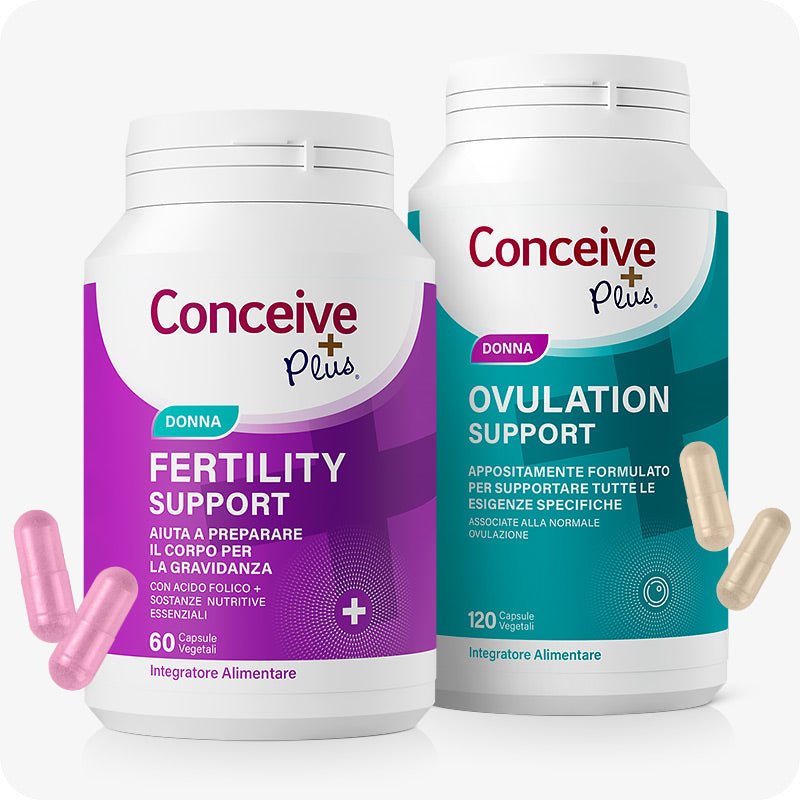
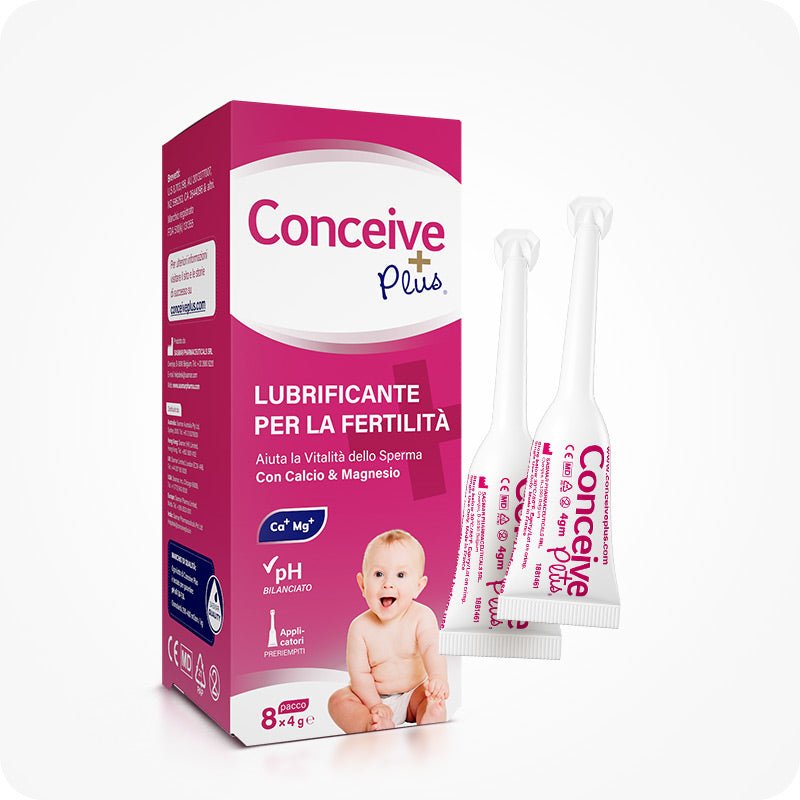
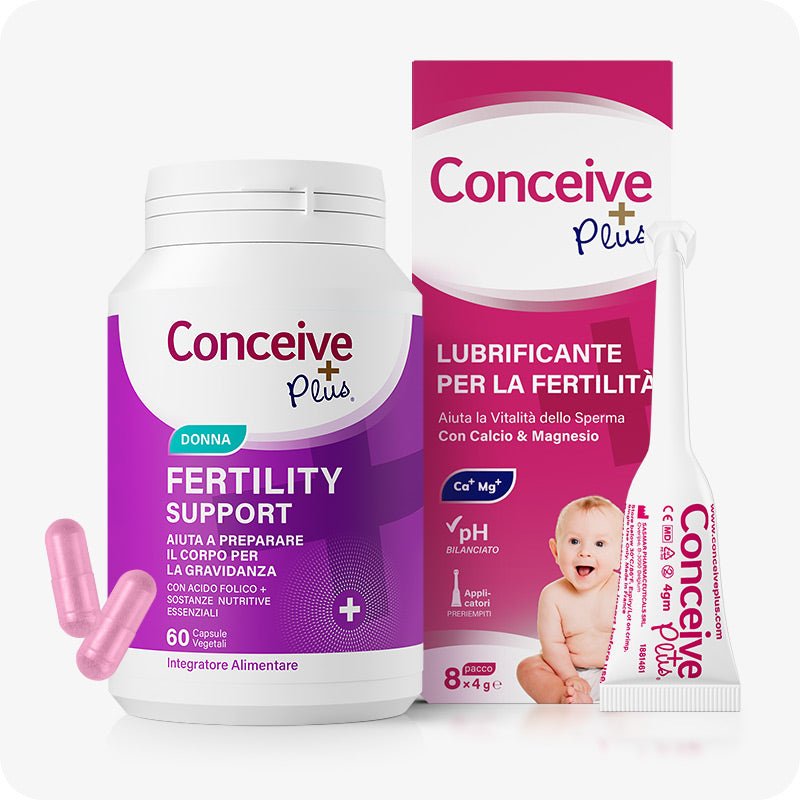
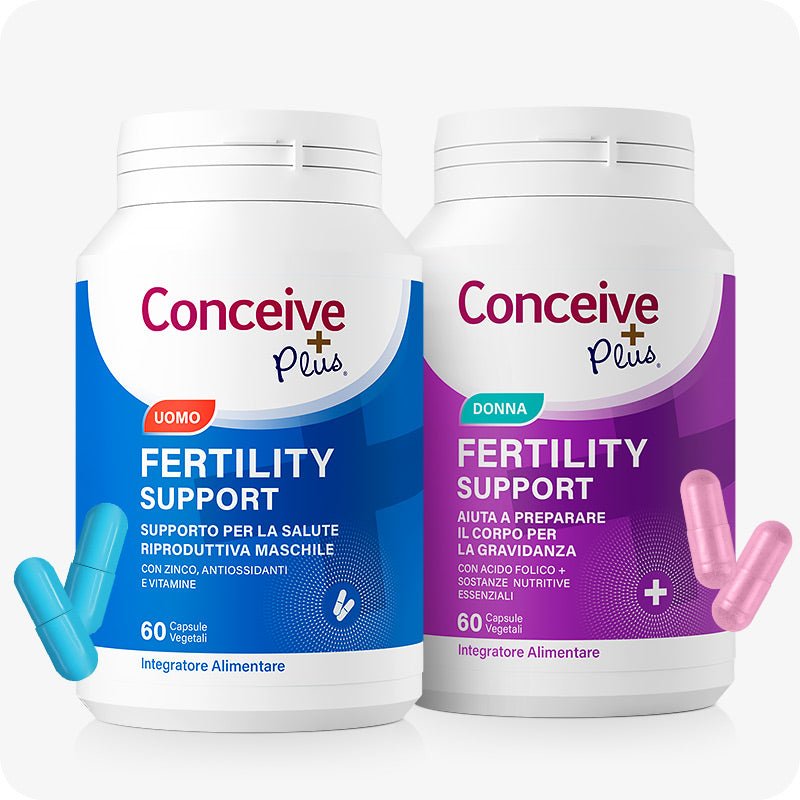
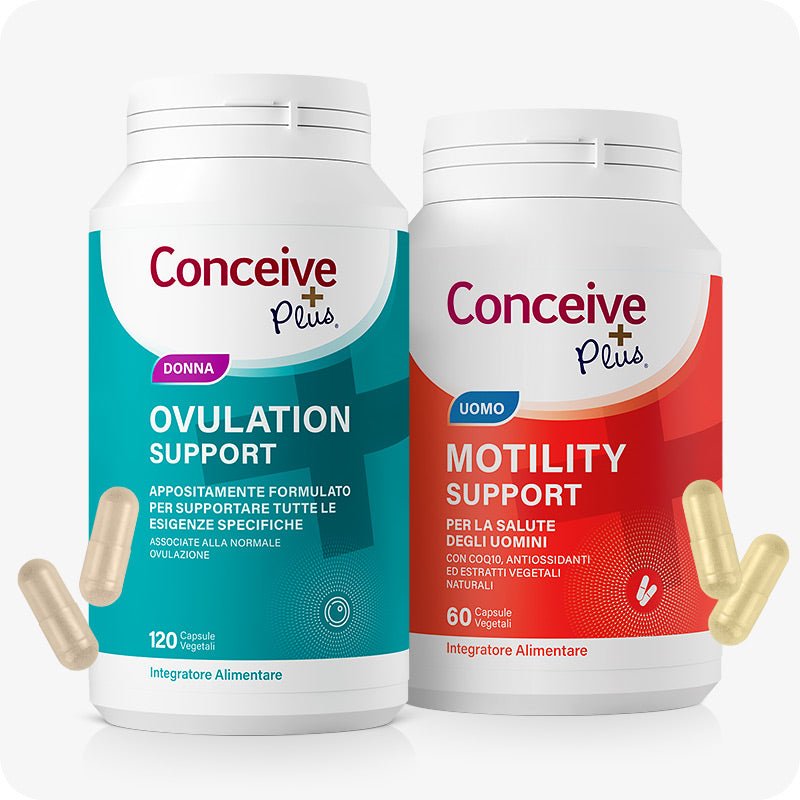
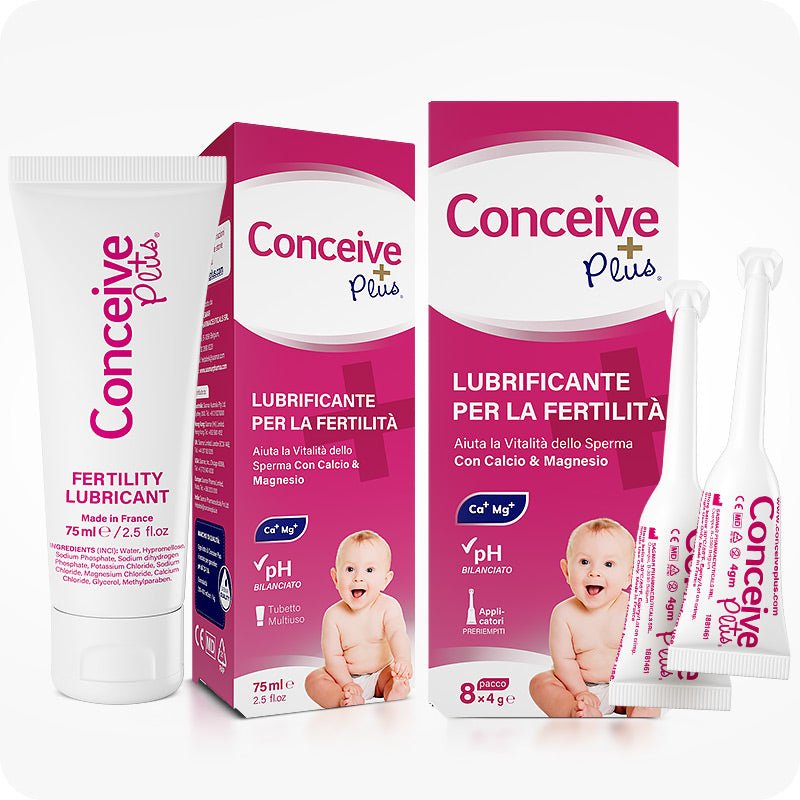
Conceive Plus offers clinically-backed fertility supplements and lubricants designed for couples trying to conceive. Shop the range →
Folate (as methylfolate): The single most important pre-pregnancy nutrient in the fertility diet. Folate is essential for neural tube formation and critical for DNA replication and repair — directly affecting egg quality. The active form, methylfolate (L-5-MTHF), is superior for women with the MTHFR gene polymorphism. Food sources for this fertility diet nutrient: dark leafy greens, lentils, beans, asparagus, avocado.
Iron: Ovulatory infertility is significantly more common in women with inadequate iron intake. A large NHS study found that women in the highest quintile of non-haem iron intake had a 40% lower risk of ovulatory infertility. Fertility diet iron sources: lentils, dark leafy greens, pumpkin seeds, tofu, fortified cereals. Pair with vitamin C to enhance absorption.
Omega-3 Fatty Acids (DHA and EPA): DHA is structurally important for the cell membranes of developing eggs and embryos. Studies link higher omega-3 fertility diet intake with better embryo quality in IVF cycles and higher live birth rates. Food sources: fatty fish, walnuts, flaxseed, chia seeds.
Antioxidants: Oxidative stress damages developing eggs and is implicated in reduced fertility. A fertility diet rich in antioxidants (colourful fruits and vegetables, nuts, seeds, whole grains) provides protection at the cellular level.
Vitamin D: Not a dietary nutrient per se, but significantly fertility-relevant. Deficiency is associated with irregular ovulation and poorer IVF outcomes. Diet alone rarely provides adequate vitamin D — supplementation is typically required alongside the fertility diet.
Key Nutrients for Male Fertility in the Fertility Diet
Zinc: One of the most important minerals for male reproductive health and essential in any male fertility diet. Zinc is essential for testosterone production, sperm maturation, and DNA integrity. Food sources: oysters (highest zinc content of any food), red meat, pumpkin seeds, legumes, nuts.
Lycopene: This antioxidant carotenoid (found in cooked tomatoes, watermelon, and pink grapefruit) is concentrated in testicular tissue. A meta-analysis found lycopene supplementation improved sperm motility by 44%. Eat tomatoes cooked in olive oil for maximum fertility diet benefit — cooking concentrates lycopene; fat enhances absorption.
DHA: A key structural component of the sperm tail membrane in the fertility diet. DHA deficiency is associated with reduced sperm motility and abnormal morphology. Fatty fish is the most bioavailable dietary source.
What to Reduce or Avoid on a Fertility Diet
Trans fatty acids: One of the dietary factors most consistently linked to impaired ovulatory function. Found in partially hydrogenated oils used in processed and fast foods. Trans fats increase inflammation and disrupt cell membrane function — directly opposing the goals of a fertility diet.
High-glycaemic refined carbohydrates and added sugars: Rapid glucose spikes trigger insulin spikes, which can disrupt the hormonal balance underlying ovulation. Women with higher glycaemic dietary patterns have elevated rates of ovulatory infertility. Replace with whole grain alternatives in your fertility diet.
Alcohol: Associated with reduced fertility in both sexes. The fertility diet most beneficial for conception minimises or eliminates alcohol — even moderate drinking shows some negative association with fertility.
Ultra-processed foods: Multiple studies link high ultra-processed food intake with poorer fertility outcomes. Replacing processed foods with whole food equivalents is the highest-leverage fertility diet change available to many couples.
The Fertility Diet for Both Partners
Fertility nutrition is not a one-partner issue. Sperm quality responds to diet as meaningfully as egg quality does. A 2019 study in JAMA Network Open found that men who ate a Western diet had significantly worse semen parameters than men who ate a Mediterranean fertility diet. Both partners should aim for the same fertility diet goals: whole foods, abundant vegetables, healthy fats, adequate protein, minimal processed foods.
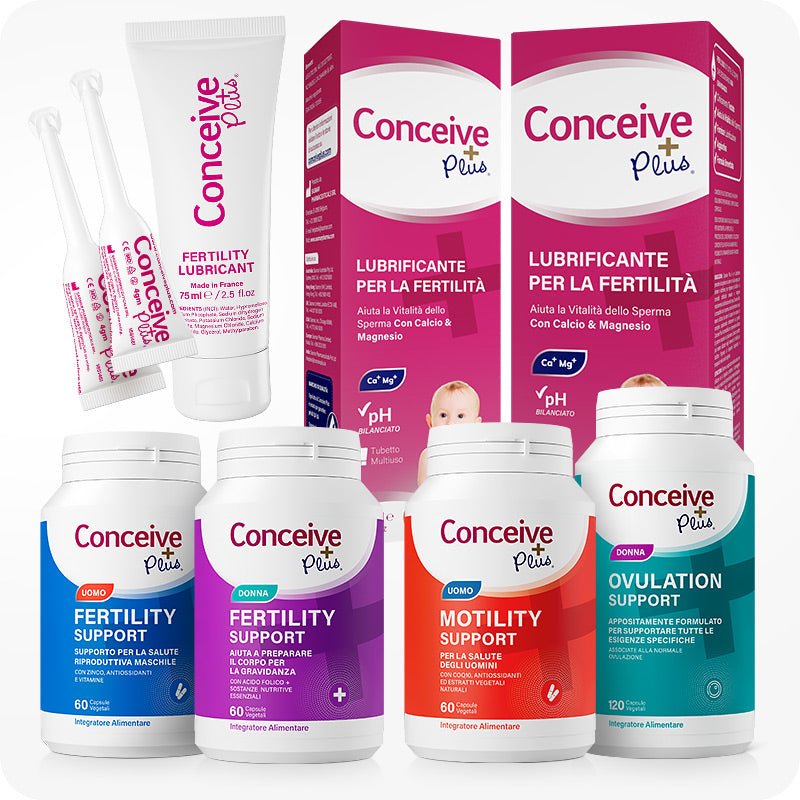
The Conceive Plus supplement range for both women and men covers the nutritional gaps that even a good fertility diet may leave. Visit conceiveplus.eu/collections/fertility-supplements to see the full range.
Practical Tips for Implementing a Fertility Diet
Start with vegetables: Aim for at least 5 servings daily in your fertility diet, prioritising dark leafy greens, brightly coloured vegetables, and cruciferous vegetables. Switch your fats to extra virgin olive oil as your primary cooking and dressing fat. Eat fatty fish twice weekly for DHA, EPA, selenium, and vitamin D in one fertility diet food. Reduce, don't eliminate — a fertility diet that's 80–90% whole-foods-based is vastly better than one that's 50% whole foods. Time it right: start dietary improvements at least 3 months before actively trying to conceive.
Frequently Asked Questions About the Fertility Diet
Q: Is there one fertility diet superfood I should be eating?
A: There's no single superfood — fertility diet benefits come from an overall dietary pattern. That said, the most impactful specific fertility diet choices are: cooked tomatoes (lycopene for sperm), dark leafy greens (folate, iron), fatty fish (omega-3s, DHA, selenium), and walnuts (omega-3s, antioxidants).
Q: Should I go completely organic for a fertility diet?
A: Some research suggests pesticide exposure may adversely affect fertility. Prioritising organic for the most pesticide-laden produce is a reasonable precaution, but a conventional Mediterranean fertility diet is significantly better than a poor diet regardless of organic status.
Q: How much caffeine is safe on a fertility diet?
A: Studies generally find that up to 200mg/day of caffeine (roughly one large coffee) does not significantly affect fertility. Higher intake is associated with slightly longer time to conception. Most fertility specialists suggest limiting caffeine to 1–2 cups of coffee daily when on a fertility diet and trying to conceive.
Q: Can the fertility diet help with PCOS?
A: Yes. A low-GI fertility diet is specifically recommended for PCOS in international guidelines. Reducing refined carbohydrates and sugar in the fertility diet directly addresses the insulin resistance central to most PCOS cases, improving ovulatory function.
Q: How quickly can fertility diet changes improve fertility?
A: Egg quality changes take approximately 3 months to manifest (the duration of folliculogenesis). Sperm quality changes take approximately 2–3 months (spermatogenesis cycle). Start your fertility diet at least 3 months before actively trying to conceive.
Q: Does weight affect fertility, and can the fertility diet help?
A: Yes significantly. Both low BMI and high BMI are associated with disrupted ovulation. A whole-foods fertility diet naturally supports healthy weight management without requiring caloric restriction.
Q: My partner is vegetarian — can they get all the fertility diet nutrients they need?
A: Yes, with attention. Vegetarians following a fertility diet should ensure adequate zinc (through legumes, pumpkin seeds, nuts — and potentially a supplement), omega-3s (algae-derived omega-3 supplements provide DHA and EPA directly), and vitamin B12 (supplement required).
Q: Is it worth seeing a nutritionist for a personalised fertility diet?
A: For most couples, following the fertility diet pattern described here plus Conceive Plus supplements addresses the majority of nutritional fertility factors. If there are specific medical conditions (PCOS, endometriosis, low AMH), a registered dietitian who specialises in fertility diet guidance can add significant value through personalisation.
Start Your Conceive Plus Journey Today
Trusted by thousands of couples worldwide. Science-backed fertility support for both partners.
Shop Conceive Plus Now →