Foods to Increase Progesterone for Fertility: A Science-Based Nutrition Guide


You can't actually eat progesterone, but you can provide your body with the biological "clearance crew" and raw materials it needs to manufacture its own. Many women facing the anxiety of a short luteal phase or the fear of early miscarriage search for specific foods to increase progesterone for fertility as a quick fix. It's exhausting to feel like your hormones are working against you, especially when common advice about "estrogen dominance" feels more confusing than helpful.
We know you want clear, science-based answers so you can feel confident in your body's ability to support a pregnancy. This guide bridges the gap between old myths and 2026 nutritional science to show you how holistic dietary patterns can naturally optimize your hormone levels. We'll explore the latest evidence from 2024 and 2025 regarding plant-based proteins and Mediterranean-style eating to help you achieve a longer luteal phase, improved cycle regularity, and a better environment for successful implantation.
Key Takeaways
- Understand how the corpus luteum functions as a temporary gland and why it requires specific nutritional fuel to sustain a healthy pregnancy.
- Identify the top foods to increase progesterone for fertility, including zinc-rich pumpkin seeds and salmon, to provide the raw materials for hormone synthesis.
- Learn how Vitamin B6 acts as a master regulator for your cycle and how zinc signals the pituitary gland to support ovulation.
- Discover the "pregnenolone steal" and how managing chronic stress prevents your body from diverting progesterone resources toward cortisol production.
- Explore how a high-quality prenatal vitamin can complement a Mediterranean-style diet to optimize your luteal phase and improve implantation chances.
Understanding Progesterone’s Critical Role in Your Fertility Journey
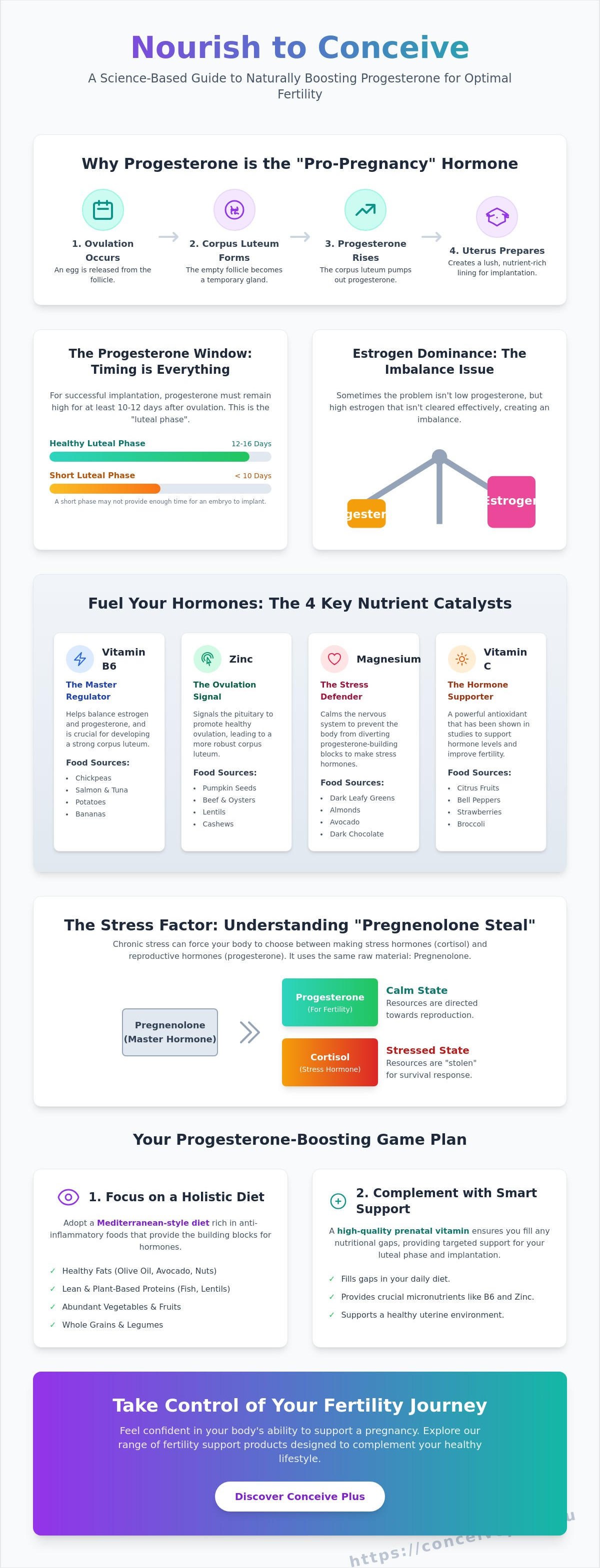
Progesterone isn't just another hormone; it's the primary biological driver behind a successful pregnancy. Often called the "pro-gestational" hormone, its main job is to prepare your body for a baby. Once you ovulate, the empty follicle transforms into a temporary endocrine gland called the corpus luteum. This tiny structure is responsible for pumping out the progesterone needed to keep your cycle on track. Understanding Progesterone’s Critical Role in Your Fertility helps you see why your body needs specific nutrients during the second half of your cycle.
If your levels drop too early, your period starts, even if an egg was fertilized. This is why many women look for foods to increase progesterone for fertility to support this delicate phase. When the corpus luteum doesn't produce enough hormone, you might notice spotting before your period, intense PMS, or cycles that are shorter than 24 days. These are clear signs that your hormonal "countdown" is ending too soon.
To better understand how nutrition impacts this process, watch this helpful video:
The Relationship Between Progesterone and Implantation
Think of progesterone as a biological architect. It transforms the uterine lining from a thin layer into a lush, nutrient-rich environment ready for an embryo. This transformation happens during the "progesterone window," the critical days after ovulation. For a pregnancy to stick, your levels must stay elevated for at least 10 to 12 days. If this window is too short, the embryo won't have enough time to implant securely. Focusing on specific foods to increase progesterone for fertility during your luteal phase ensures your body has the building blocks to maintain this elevation.
Estrogen Dominance vs. Low Progesterone
Sometimes, your progesterone levels are technically within the "normal" range, but you still feel the effects of a deficiency. This often happens because of the ratio between estrogen and progesterone. If estrogen isn't properly cleared by your liver and gut, it can overwhelm your progesterone. This creates a state of "estrogen dominance" where you feel the symptoms of low progesterone even if the number on your lab test looks fine. You can track the length of your luteal phase using an ovulation calculator to see if your body is maintaining that 14-day ideal. Success depends on both building enough progesterone and clearing out "used" estrogen efficiently.
Essential Nutrients That Trigger Natural Progesterone Production
Your body doesn't just wake up and decide to produce hormones. It follows a complex chemical blueprint that requires specific micronutrients to function as catalysts. If you're looking for foods to increase progesterone for fertility, you're really looking for the vitamins and minerals that act as the "spark" for the corpus luteum. Without these catalysts, your internal factory lacks the tools to maintain a thick, healthy uterine lining. Building these levels starts with understanding how micronutrients interact with your endocrine system.
The Role of Vitamin B6 and Zinc
Vitamin B6 is often called the master regulator because it helps maintain the delicate balance between estrogen and progesterone. It's essential for the development of a robust corpus luteum, which we previously identified as the temporary gland responsible for progesterone production. Zinc plays a different but equally vital role. It signals the pituitary gland to release follicle-stimulating hormones, which promotes healthy ovulation. Higher egg quality leads to a stronger corpus luteum, which in turn produces more progesterone. Many women find that focusing on these two nutrients helps reduce the "estrogen dominance" symptoms mentioned in the previous section.
Magnesium and Vitamin C Synergies
Magnesium is your primary defense against the stress response. It helps prevent your body from prioritizing cortisol over reproductive hormones. By keeping your nervous system calm, magnesium preserves the biological resources needed for your luteal phase. Vitamin C is one of the few nutrients with direct study data regarding hormone concentrations. A frequently cited 2003 study in the journal Fertility and Sterility found that a daily intake of 750 mg of Vitamin C increased progesterone levels in women with luteal phase defects. While this research is over two decades old, it remains a foundational part of the conversation regarding nutritional hormone support.
Healthy fats are the final piece of the puzzle. You might have been told to avoid cholesterol, but your sex hormones are literally made from it. Cholesterol is the chemical precursor to all steroid hormones, including progesterone. Without enough healthy fats, your body lacks the raw materials to build the hormones required for a successful pregnancy. Incorporating these nutrients through targeted fertility support can help bridge the gap between your current diet and your hormonal needs. By providing the body with these specific building blocks, you create the optimal environment for implantation to occur.
Top 10 Foods to Increase Progesterone for Fertility (The Roundup)
Building a plate specifically for your luteal phase doesn't have to be complicated. If you're looking for foods to increase progesterone for fertility, your focus should shift toward nutrient density during the second half of your cycle. This is the time to prioritize the raw materials your corpus luteum needs to thrive. Many women find that a structured approach to these "luteal phase superfoods" helps reduce the anxiety of a short cycle. Here are the top foods and supports to include in your rotation:
- Pumpkin Seeds: These are a zinc and magnesium powerhouse. Zinc is essential for the pituitary signaling that leads to ovulation, while magnesium helps manage the stress that can "steal" your progesterone.
- Wild-Caught Salmon: Rich in Omega-3s and healthy cholesterol, salmon provides the foundation for steroidogenesis. This is the biological process where your body builds sex hormones from fat.
- Garbanzo Beans (Chickpeas): These legumes are packed with Vitamin B6 and plant protein. A 2024 review observed that women with lower consumption of vegetable protein often had lower progesterone concentrations, making these a vital pantry staple.
- Leafy Greens: Spinach and kale provide folate and magnesium. These nutrients support your liver as it clears out "used" estrogen, helping to maintain the delicate hormone ratio we discussed earlier.
- Cruciferous Vegetables: Broccoli and cauliflower contain DIM (diindolylmethane). This compound helps your body metabolize estrogen into safer forms, preventing it from overwhelming your progesterone levels.
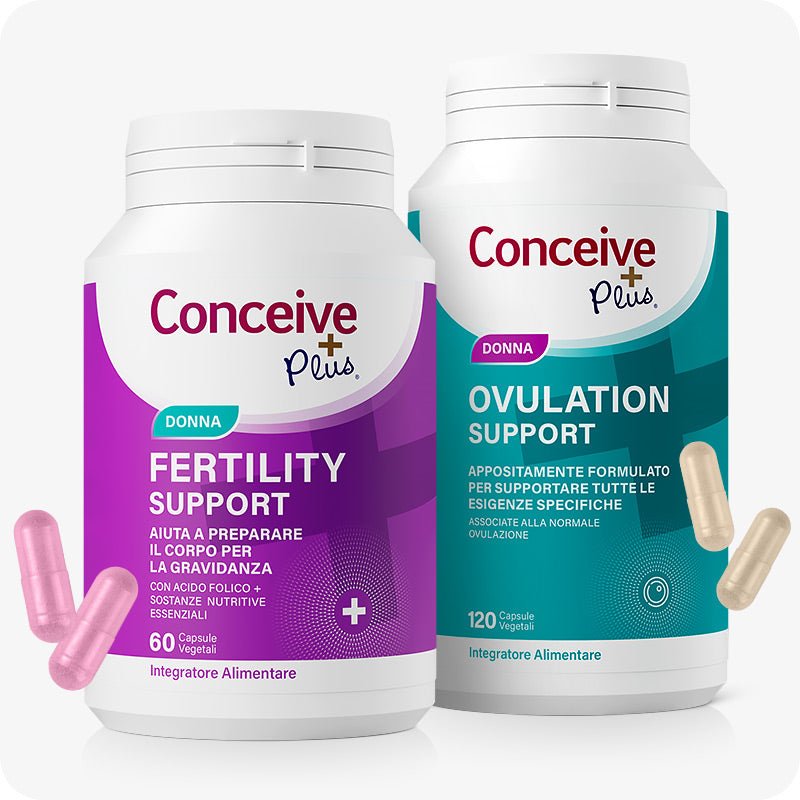
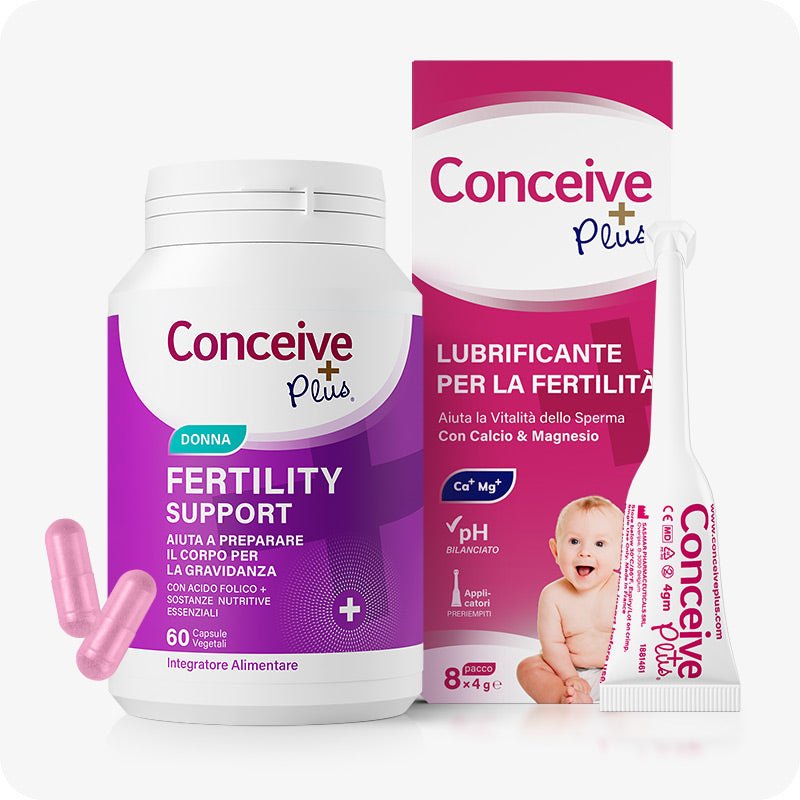
- Conceive Plus Europe Fertility Support: While whole foods provide the foundation, meeting high daily targets for B6 and Zinc can be challenging through diet alone. Integrating Conceive Plus Europe fertility bundles into your routine ensures you fill nutritional gaps with targeted support designed for reproductive health.
Protein and Healthy Fats for Hormone Synthesis
Your body cannot manufacture hormones without adequate fat and protein. Grass-fed beef and eggs are fertility superfoods because they provide bioavailable iron and the cholesterol required for steroidogenesis. Avocados offer monounsaturated fats, which have been linked to better outcomes in fertility studies. Walnuts serve as the best plant-based source of Omega-3s, helping to reduce inflammation that might otherwise interfere with hormone balance. Focusing on these high-quality fats during your luteal phase provides the "fuel" your endocrine system needs.
Plant-Based Progesterone Supporters
Plant-based options play a critical role in hormonal clearance and blood flow. Sunflower seeds are exceptionally high in Vitamin E, a nutrient known to improve blood flow to the corpus luteum. Quinoa and lentils provide complex carbohydrates and high fiber content. These prevent insulin spikes, which can crash your progesterone, and ensure that excess estrogen is physically excreted from the body through the gut. Including these foods to increase progesterone for fertility creates a balanced environment where implantation is more likely to succeed.
Beyond Diet: Balancing Estrogen and Managing Stress
Even if your plate is full of foods to increase progesterone for fertility, high cortisol can derail your progress. This happens through a biological mechanism called the "Pregnenolone Steal." Both cortisol and progesterone are synthesized from a shared precursor hormone called pregnenolone. When your brain perceives a threat, it prioritizes survival over everything else. Your body diverts that precursor to create cortisol, which effectively robs your reproductive system of the materials it needs to build progesterone. It's a survival mechanism that can unfortunately stall your efforts to conceive.
Lifestyle habits like caffeine and alcohol consumption often complicate this hormonal theft. These substances tax the liver, which is the primary organ responsible for clearing out "used" estrogen. If your liver is busy processing toxins, estrogen remains in the bloodstream longer. This makes your progesterone levels feel even lower by comparison, even if you're eating the right nutrients. Sleep hygiene is just as critical as your diet. Progesterone is primarily synthesized while you rest, so a lack of quality sleep can directly interrupt hormone production during the critical days of your luteal phase.
Managing the Stress-Fertility Connection
Lowering your cortisol during the luteal phase requires a shift in how you move and breathe. While high-intensity interval training is great for general fitness, it can spike cortisol and signal danger to your reproductive system during the second half of your cycle. Opting for gentle movement like walking or restorative yoga is much more beneficial for hormone balance. Simple breathwork exercises also help. By extending your exhales, you signal safety to your nervous system, which encourages the body to resume normal progesterone production. If you're looking for extra support to manage these hormonal shifts, visit Conceive Plus Europe for science-backed fertility tools.
Supporting the Liver for Estrogen Balance
A healthy liver is your best ally in preventing the estrogen dominance that often mimics low progesterone symptoms. The liver processes hormones through Phase I and Phase II detoxification pathways. Foods like beets, dandelion greens, and artichokes support these pathways by stimulating bile flow and toxin clearance. Proper hydration is also essential. Water acts as the primary transport system for hormones and waste products. Without enough fluid, your body can't efficiently excrete the estrogen that needs to leave your system. This leads to a build-up that suppresses your progesterone's effectiveness, making your efforts with foods to increase progesterone for fertility less impactful than they should be.
Optimizing Your Luteal Phase with Targeted Fertility Support
Even with a perfect grocery list of foods to increase progesterone for fertility, modern life presents obstacles that diet alone can't always overcome. Soil depletion means even organic vegetables may contain fewer minerals than they did decades ago. When you add the metabolic demands of daily stress, your body’s need for B6 and Magnesium often exceeds what you can realistically consume at every meal. This is where strategic supplementation turns into a necessary bridge between your current nutritional status and your reproductive goals.
High-quality prenatal support isn't just about preventing deficiencies; it’s about fueling the endocrine system before you see a positive test. By ensuring your levels of Zinc and B6 are consistently high, you give the corpus luteum every chance to function at its peak. This consistency helps lengthen a short luteal phase and prevents the early spotting that often causes anxiety during the two-week wait. Monitoring your progress is also vital. If you’ve optimized your diet and lifestyle for three cycles but still see a short luteal phase, it’s time to seek medical advice for a more detailed hormonal workup.
Bridging the Gap with Conceive Plus Europe
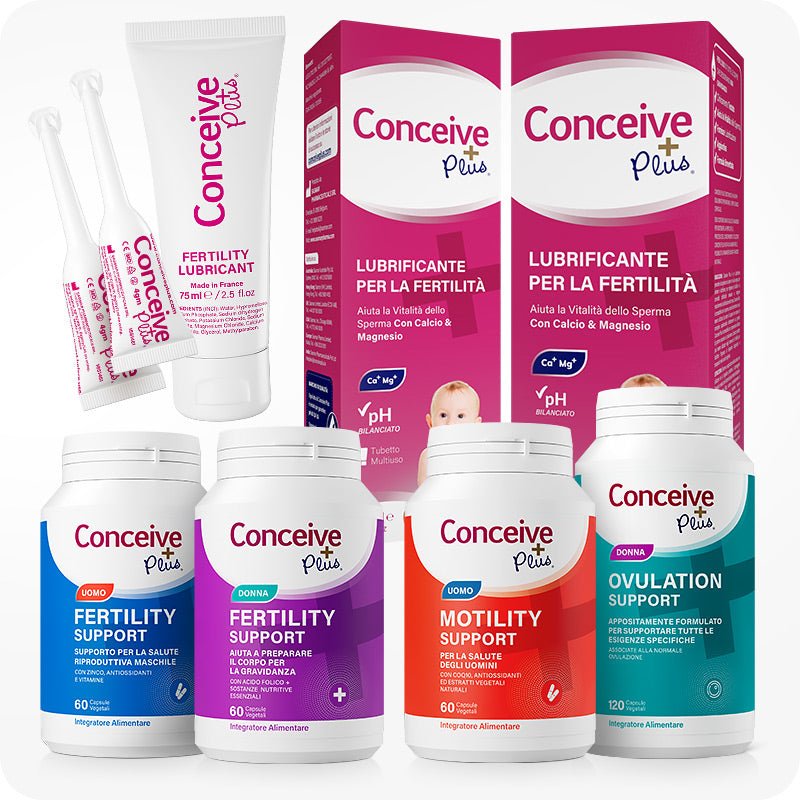
Meeting your daily nutritional targets is much easier when you have a structured plan. Conceive Plus Europe fertility bundles provide the Zinc, Magnesium, and B6 your diet might miss, ensuring your body has the raw materials for hormone synthesis every single day. Using specialized support during the most critical days of your cycle takes the guesswork out of your nutrition. For those looking at long-term fertility planning, exploring special offers can help you maintain a consistent supplement routine throughout your journey. These targeted tools work alongside your diet to create the stable hormonal environment required for implantation.
Next Steps for Your Fertility Plan
Success in balancing hormones usually requires a three-month roadmap. Egg maturation takes roughly 90 days, which means the choices you make today regarding foods to increase progesterone for fertility and targeted support will show their full impact three cycles from now. During this time, track your cycle closely and consider requesting Day 21 labs from your doctor to measure your peak progesterone levels. This data, combined with a nutrient-dense diet and reduced stress, gives you a clear picture of your progress. Your journey toward conception is a marathon, not a sprint, and your body has an incredible capacity to find balance when given the right support.
Take Control of Your Hormonal Health
Supporting your luteal phase is about more than just a single meal; it's about a consistent lifestyle. You've learned that while you can't eat the hormone directly, choosing the right foods to increase progesterone for fertility provides the essential building blocks your body needs. By focusing on nutrient-dense proteins, managing the "pregnenolone steal" through stress reduction, and supporting your liver, you create a stable environment for a successful pregnancy. These small, daily choices add up to a significant impact on your reproductive health over time.
If you're ready to bridge the gap between your diet and your goals, shop the Conceive Plus Fertility Collection for complete nutritional support. Trusted by millions of couples worldwide, our products are formulated by doctors for reproductive health and include the essential vitamins and minerals needed for hormone balance. Every positive change you make today is a vital step toward the family you're dreaming of. Stay patient, stay consistent, and trust in your body's ability to find its natural balance.
Frequently Asked Questions
Do any foods actually contain progesterone?
No, there are no foods that contain actual human progesterone. While some plants like wild yams contain a compound called diosgenin, your body cannot convert this into progesterone on its own. Instead of looking for hormone-containing foods, you should focus on foods to increase progesterone for fertility by providing the zinc, B6, and healthy fats your body uses to build its own supply.
How long does it take to increase progesterone through diet?
It typically takes about three months of consistent dietary changes to see a measurable difference in your hormone levels. This timeline matches the 90-day maturation cycle of an egg. Because the health of the follicle determines the strength of the corpus luteum, the nutritional choices you make today won't fully manifest in your progesterone production until three cycles from now.
Can I eat certain foods to help with implantation?
You can support implantation by eating foods that improve blood flow to the uterus and reduce inflammation. Beets are excellent for this because they contain nitric oxide, which helps dilate blood vessels. Anti-inflammatory fats like those found in walnuts and wild-caught salmon also help create a receptive environment for an embryo to attach securely during the critical days of your luteal phase.
Is it possible to have too much progesterone?
It is very difficult to have too much progesterone through diet alone. High levels are usually only seen during pregnancy or when using medical progesterone supplements. In a natural cycle, your body has internal feedback loops that regulate production. If your levels are exceptionally high on a lab test, it's usually a sign that you successfully ovulated or might already be pregnant.
Does caffeine lower progesterone levels?
Excessive caffeine can indirectly lower your progesterone by spiking cortisol levels. As we discussed with the "pregnenolone steal," your body will prioritize making stress hormones over sex hormones when it feels overstimulated. Limiting caffeine to one cup a day helps keep your nervous system calm and ensures your body's resources are directed toward maintaining a healthy pregnancy-promoting environment.
What is the best time of the month to eat progesterone-boosting foods?
The best time to emphasize these nutrients is during the luteal phase, which is the time between ovulation and your period. However, you shouldn't ignore them during the first half of your cycle. Healthy progesterone levels depend on a strong ovulation, so eating a balanced diet throughout the entire month ensures your follicles are well-nourished before they ever release an egg.
Can Vitamin C really help my luteal phase?
Vitamin C is one of the few nutrients with specific research showing it can improve luteal phase outcomes. Clinical data suggests that a daily dose of 750 mg can increase progesterone concentrations in women with a shortened luteal phase. Including citrus fruits, bell peppers, and strawberries in your diet is a simple, evidence-based way to support the structural health of the corpus luteum.
Should I take a supplement if my progesterone is low?
You should consider a supplement if you're struggling to meet your nutrient targets through foods to increase progesterone for fertility alone. Many women find it difficult to get enough zinc and B6 every day to see a change in their cycle length. A targeted fertility supplement can fill these gaps and provide a reliable baseline, but it's always best to discuss your specific lab results with a healthcare provider first.