Male Fertility: A Complete Guide to Understanding and Improving Sperm Health


Male Fertility: A Complete Guide to Understanding and Improving Sperm Health
Male fertility is responsible for approximately half of all conception difficulties, yet it remains a topic that many men — and couples — feel reluctant to discuss or investigate. The reality is that male factor infertility is common, often treatable, and in many cases, significantly improvable through lifestyle, nutrition, and targeted supplementation.
This comprehensive guide covers everything you need to know about male fertility: how sperm production works, what affects it, how to test it, and what evidence-based steps you can take to optimise sperm health when you're trying for a baby. Conceive Plus is here to support you with clinically backed male fertility supplements designed to give your sperm the best possible foundation.
Understanding Male Fertility: The Biology of Sperm Production
Sperm production — called spermatogenesis — takes place in the testes and is a continuous process that takes approximately 74 days from start to finish. This is an important number to remember: it means that any changes you make to your lifestyle, nutrition, or supplementation today will be reflected in your sperm quality in roughly 2–3 months.
The process of spermatogenesis involves:
- Stem cell division in the seminiferous tubules of the testes
- Maturation through multiple stages, driven by FSH (follicle-stimulating hormone) and testosterone
- Movement to the epididymis, where sperm mature further and develop their swimming ability
- Storage and final preparation before ejaculation
A healthy ejaculate contains 39 million or more total sperm, with at least 15 million per millilitre (sperm concentration), at least 40% showing forward movement (motility), and at least 4% with normal shape (morphology) — these are the WHO reference values used by clinicians worldwide.
All three parameters matter for fertility: you need enough sperm (concentration), they need to move effectively (motility), and they need to be structurally sound enough to penetrate the egg (morphology).
Common Causes of Male Infertility
🌟 Recommended by Fertility Clinics Worldwide
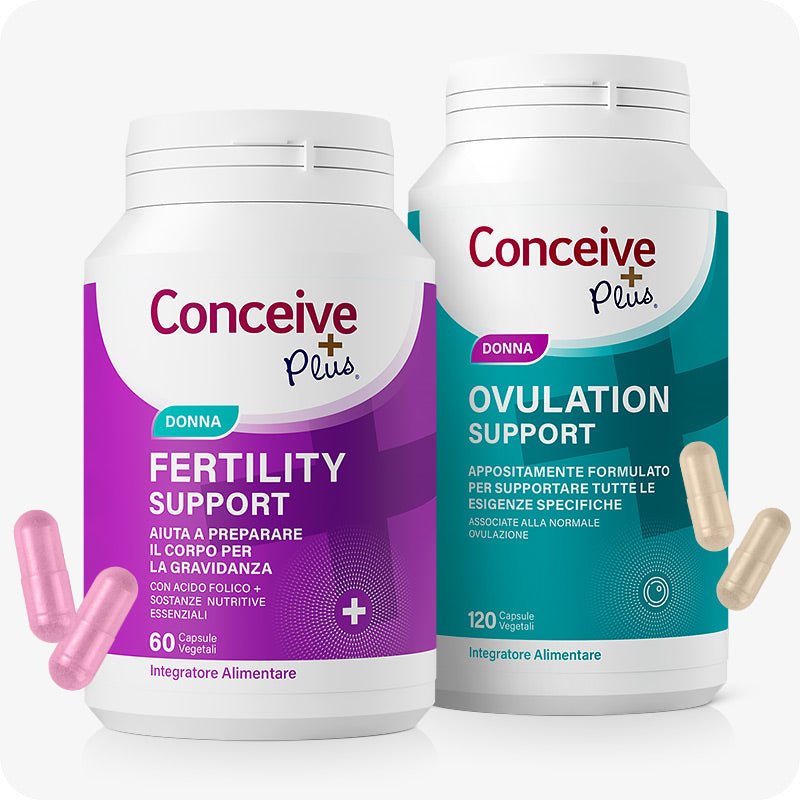
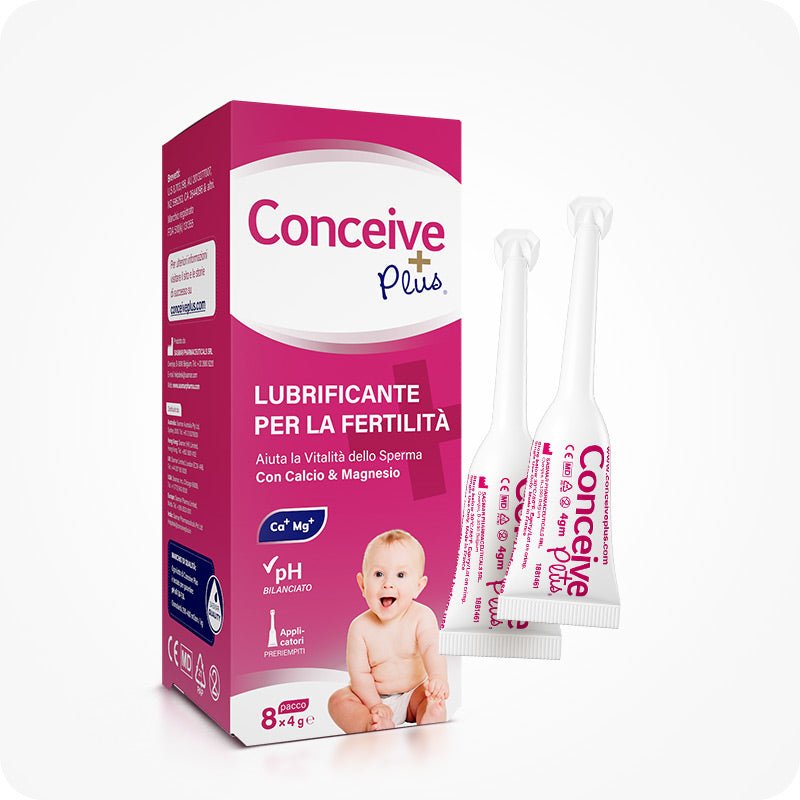
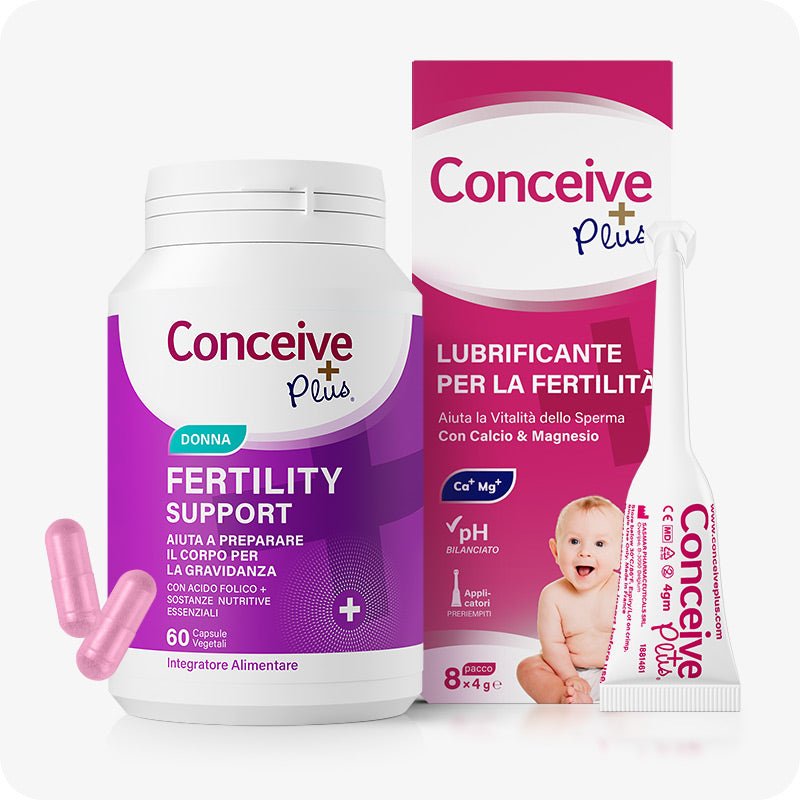
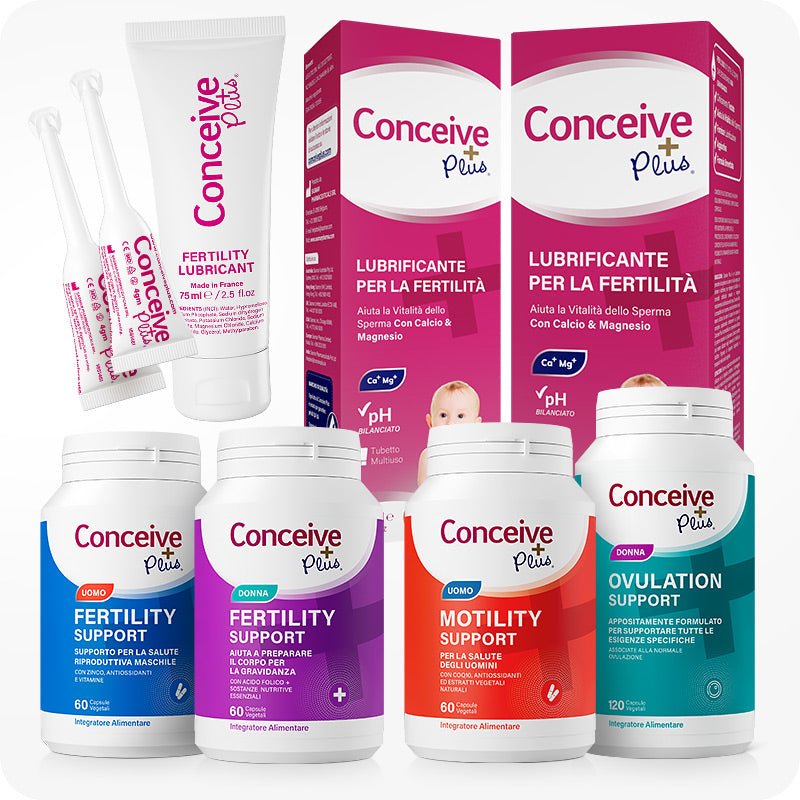
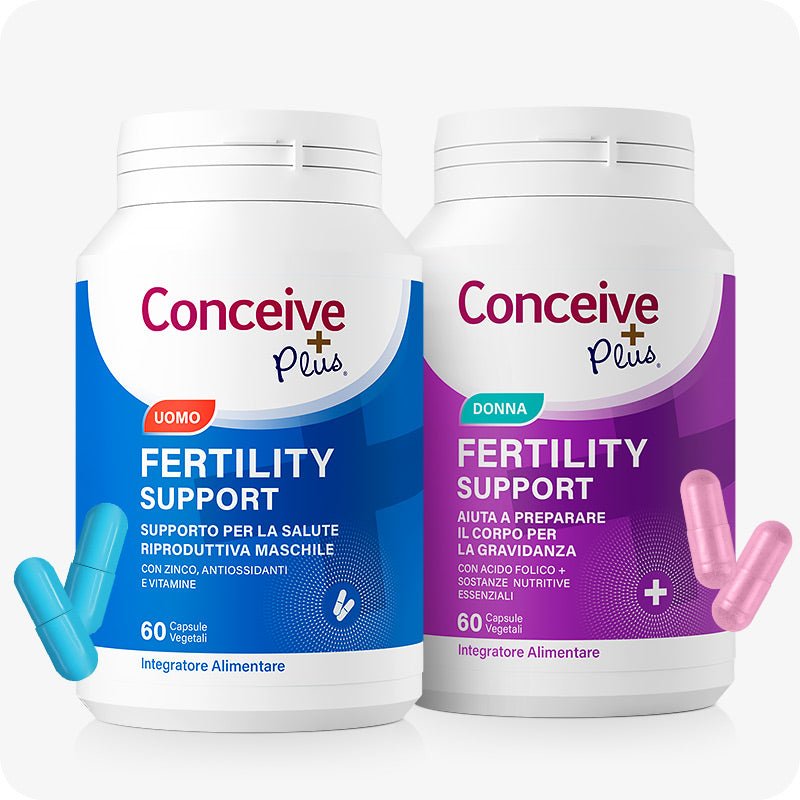
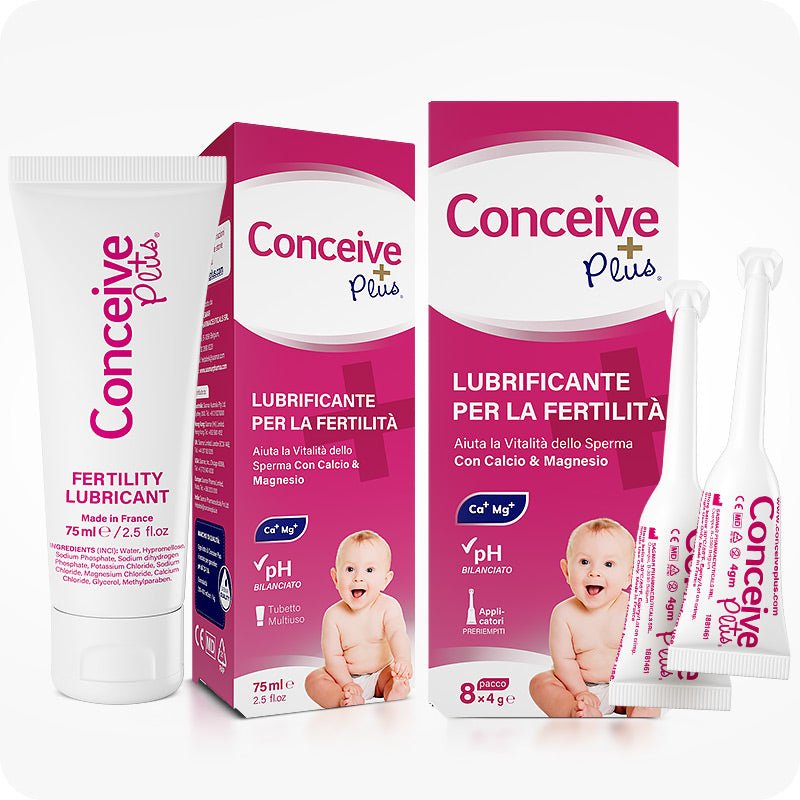
Conceive Plus is clinically formulated to support your fertility journey — from sperm health and ovulation support to specialised lubricants and prenatal vitamins.
Explore Conceive Plus Products →Male fertility issues are rarely a single-cause problem. The most common contributors to impaired male fertility include:
Varicocele: An enlargement of the veins within the scrotum — present in approximately 15% of all men and 35% of men with primary infertility. Varicoceles raise testicular temperature and impair sperm production. Surgical repair (varicocelectomy) is one of the most evidence-based interventions for male factor infertility.
Hormonal imbalances: Low testosterone, elevated FSH, elevated LH, or elevated prolactin can all impair spermatogenesis. These are identifiable through blood testing and often treatable.
Genetic factors: Chromosomal abnormalities (such as Klinefelter syndrome, 47XXY) and Y-chromosome microdeletions can cause severe impairment or absence of sperm production. Testing is available for couples with unexplained male factor infertility.
Obstructive causes: Blockages in the epididymis or vas deferens — from previous vasectomy, infection, or congenital absence of the vas deferens — prevent sperm from being ejaculated. These may be correctable surgically.
Lifestyle factors: Smoking, alcohol, drug use (including anabolic steroids), heat exposure, obesity, and sedentary behaviour all negatively impact sperm parameters.
Infections: STIs (particularly chlamydia and gonorrhoea), orchitis (testicular inflammation), and other infections can cause permanent or temporary damage to sperm-producing tissue.
Oxidative stress: Excessive reactive oxygen species (ROS) damage sperm DNA, membrane integrity, and motility. This is one of the most common and modifiable contributors to poor sperm quality and can be addressed directly with antioxidant supplementation.
Sperm Parameters: What a Semen Analysis Tells You
A semen analysis (SA) is the foundational test of male fertility. It's non-invasive, affordable, and provides a comprehensive snapshot of sperm health. If you've been trying to conceive for 6+ months without success, a semen analysis should be one of the first investigations performed.
Key parameters assessed in a semen analysis:
- Volume: Normal ≥1.4 ml. Low volume may indicate ejaculatory or hormonal issues.
- Sperm concentration: Normal ≥16 million/ml. Below this threshold is classified as oligospermia (low sperm count).
- Total sperm count: Normal ≥39 million per ejaculate.
- Total motility: Normal ≥42% — the percentage of sperm showing any movement.
- Progressive motility: Normal ≥30% — sperm moving in a forward direction, the swimmers that actually reach the egg.
- Morphology: Normal ≥4% (Kruger strict criteria). The percentage with normal head, midpiece, and tail structure.
- Vitality: Normal ≥54% live (not all non-motile sperm are dead — this test distinguishes the two).
- DNA fragmentation index: Not included in standard SAs but increasingly recommended. High DNA fragmentation (>25–30%) is associated with recurrent miscarriage and IVF failure even when other parameters are normal.
A single semen analysis can be affected by illness, stress, abstinence duration, and other temporary factors. If the first SA shows abnormalities, a repeat test after 2–3 months of lifestyle optimisation is recommended before more invasive investigations.
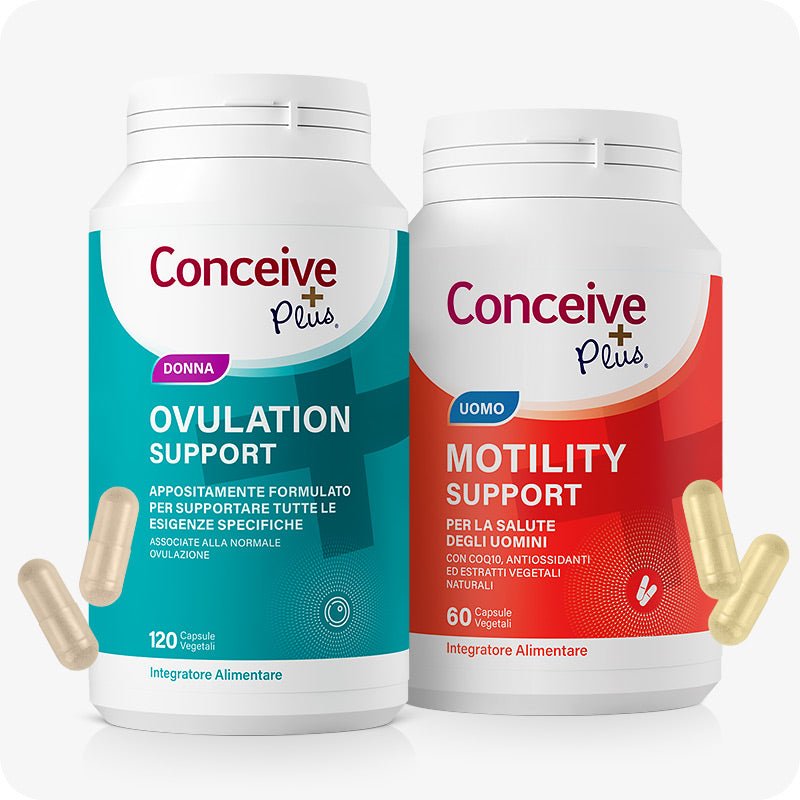
Clinically formulated with zinc, selenium, CoQ10, L-carnitine and more — the key nutrients for male fertility.
Shop Men's Fertility Supplements →
Lifestyle Factors That Directly Impact Sperm Quality
The lifestyle factors that affect sperm quality are well-established. The good news: most are modifiable, and improvements can be measured within 3 months.
Smoking: Cigarette smoking is one of the most damaging habits for male fertility. Studies consistently show that smoking reduces sperm count by 13–17%, impairs motility by up to 20%, increases the percentage of abnormally shaped sperm, and significantly elevates sperm DNA fragmentation. Quitting smoking is one of the highest-impact changes a man can make for his fertility.
Alcohol: Alcohol reduces testosterone production, impairs sperm formation, and is toxic to the testes in excess. Regular heavy drinking is associated with oligospermia, asthenospermia (poor motility), and elevated DNA fragmentation. Limiting alcohol to fewer than 14 units per week (and ideally less when actively TTC) is recommended.
Heat exposure: Sperm production is temperature-sensitive — the testes sit outside the body because optimal spermatogenesis occurs at 2–4°C below core body temperature. Regular use of hot tubs, saunas, or even prolonged laptop use on the lap raises scrotal temperature and impairs sperm production. Switch to loose-fitting underwear (boxers over briefs) and limit heat exposure when trying to conceive.
Anabolic steroids and testosterone therapy: Exogenous testosterone suppresses the pituitary-testicular axis, dramatically reducing or eliminating sperm production. This effect can persist for months to years after stopping. If you're using testosterone therapy or anabolic steroids, seek specialist advice urgently.
Obesity: Excess body fat converts testosterone to oestrogen, disrupting the hormonal environment needed for spermatogenesis. Obese men have higher rates of oligospermia, elevated DNA fragmentation, and lower testosterone. Even modest weight loss in overweight men has been shown to improve sperm parameters.
Exercise: Moderate regular exercise improves testosterone levels, reduces oxidative stress, and benefits overall metabolic health — all positive for sperm quality. However, extreme endurance exercise (marathon training, cycling) can temporarily impair testosterone and sperm production. Aim for 150+ minutes of moderate activity per week.
Sleep: Testosterone production is primarily nocturnal and dependent on adequate sleep quality. Men with chronic sleep deprivation or untreated sleep apnoea have significantly lower testosterone levels. Prioritise 7–9 hours of quality sleep per night.
Key Supplements for Male Fertility
The evidence base for male fertility supplementation has grown substantially in recent years. The following nutrients have the strongest clinical support:
CoQ10 (Ubiquinol): Coenzyme Q10 is a mitochondrial antioxidant concentrated in sperm. Multiple randomised controlled trials have found CoQ10 supplementation (200–600mg daily) significantly improves sperm concentration, motility, and morphology. It's particularly beneficial for men with idiopathic (unexplained) infertility and for those over 35, as CoQ10 production declines with age.
Zinc: Zinc is essential for testosterone synthesis and plays a structural role in sperm formation. The highest concentration of zinc in the body is found in the prostate and testes. Studies consistently show that zinc deficiency is associated with impaired sperm parameters, and supplementation in deficient men can significantly improve results. Dose: 25–50mg elemental zinc daily.
Selenium: An antioxidant mineral critical for sperm flagella (tail) formation. Selenium deficiency causes structural defects that impair sperm motility. Combined zinc-selenium supplementation has shown additive benefits in clinical trials. Sources: Brazil nuts, fish; supplementation dose 55–100 mcg/day.
L-carnitine: An amino acid found in high concentrations in the epididymis. L-carnitine supports the energy metabolism of sperm (via fatty acid oxidation), directly impacting motility. Studies show L-carnitine supplementation improves forward motility, particularly in men with asthenospermia. Dose: 1–3g per day.
Vitamin C: A powerful antioxidant that protects sperm DNA from oxidative damage. Studies show vitamin C supplementation reduces sperm DNA fragmentation and improves motility. Food sources: citrus, kiwi, capsicum. Supplementation: 1000mg daily.
Folate (methylfolate): Important for DNA synthesis during spermatogenesis. Low folate is associated with increased sperm DNA abnormalities. Recommended even for men, particularly if DNA fragmentation is a concern.
Vitamin D: Vitamin D receptors are present in human testes, and vitamin D deficiency is associated with reduced testosterone and impaired sperm motility. Optimising vitamin D status (aim for serum 25-OH vitamin D above 50 nmol/L) may support sperm quality.
Conceive Plus Men's Fertility Supplement combines these key nutrients in clinically meaningful doses, providing comprehensive male fertility nutritional support in one convenient supplement.
Male Fertility and Age: What the Research Shows
While the conversation about age and fertility most often focuses on women, male fertility also declines with age — though more gradually.
Research on paternal age and fertility outcomes has found:
- Sperm concentration, motility, and morphology all show modest but measurable declines after age 40
- Sperm DNA fragmentation increases significantly with age, particularly after 45
- Men over 40 show longer time-to-pregnancy compared to younger men, even when female partner age is controlled for
- Advanced paternal age (40+) is associated with modestly increased risk of miscarriage and certain conditions in offspring (though absolute risks remain low)
The practical implication: men over 35–40 should prioritise antioxidant supplementation (particularly CoQ10, vitamin C, and selenium) to counteract the age-related increase in oxidative stress that drives DNA fragmentation and declining sperm quality.
Male Fertility Testing: When and How
A semen analysis should be arranged if:
- You've been trying to conceive for 12 months without success (6 months if your partner is 35+)
- You have known risk factors (previous infections, undescended testes, previous vasectomy reversal, cancer treatment)
- Your partner has had recurrent miscarriages (sperm DNA fragmentation is a contributing factor)
Where to get tested:
- Your GP can arrange a semen analysis through the NHS or refer you to a urology/andrology clinic
- Private fertility clinics offer comprehensive male fertility assessments including SA, DNA fragmentation, and hormone blood tests
- Home sperm testing kits (such as YO, ExSeed, or Trak) can assess basic parameters at home, though they can't replace a full clinical SA
Frequently Asked Questions: Male Fertility
Q: What is a normal sperm count?
A: WHO reference values define a normal total sperm count as ≥39 million per ejaculate and sperm concentration ≥16 million/ml. However, fertility exists on a spectrum — many men with counts slightly below these thresholds can still conceive naturally.
Q: How long does it take for supplements to improve sperm quality?
A: Spermatogenesis takes approximately 74 days. This means you need to take supplements consistently for at least 3 months before expecting to see meaningful improvement in semen analysis results. Plan to supplement for at least 3–6 months.
Q: Does wearing tight underwear affect sperm?
A: Research supports that tight-fitting underwear (briefs) raises scrotal temperature slightly more than loose-fitting (boxers), and that this can modestly impact sperm count. Switching to boxers is a low-cost, risk-free recommendation for men with borderline sperm parameters.
Q: Can sperm quality affect miscarriage risk?
A: Yes. High sperm DNA fragmentation is associated with increased miscarriage risk, even when female factors are normal. If you've experienced recurrent miscarriage, testing for sperm DNA fragmentation is worthwhile alongside female investigations.
Q: Does masturbation affect fertility?
A: Excessive ejaculation can temporarily reduce sperm concentration. Optimal abstinence before intercourse or semen analysis is 2–5 days — long enough for concentration to recover, short enough that motility remains high. Daily ejaculation is not recommended when actively trying to conceive.
Q: Can cycling affect male fertility?
A: Prolonged cycling can raise scrotal temperature and compress the perineum (affecting blood flow). Some studies have found associations between cycling and reduced sperm quality. If you cycle heavily, consider wearing padded shorts, using a wider seat, and limiting sessions to under an hour.
Q: Does Conceive Plus help male fertility?
A: Conceive Plus Men's Fertility Supplement is formulated with the key nutrients — zinc, selenium, CoQ10, L-carnitine, vitamin C, and more — that have clinical evidence for supporting sperm quality. Consistent use alongside a healthy diet and lifestyle optimisation can meaningfully support male fertility.
Q: What's the most important thing a man can do to improve fertility?
A: If you smoke, quit. If you're overweight, lose weight. Take a targeted male fertility supplement containing antioxidants (CoQ10, vitamins C and E, selenium) and zinc for at least 3 months. These three changes address the most common and modifiable causes of impaired sperm quality.
Q: Does stress affect sperm?
A: Yes. Chronic psychological stress elevates cortisol, which suppresses testosterone production and increases oxidative stress — both harmful to sperm production. Stress management (exercise, sleep, mindfulness) benefits male fertility alongside targeted supplementation.
Q: When should I see a urologist or andrologist?
A: If semen analysis shows severe abnormalities (very low count, absent sperm, very poor morphology), if you have symptoms of hypogonadism (low energy, reduced libido, decreased muscle mass), or if two semen analyses show persistent abnormalities despite lifestyle optimisation, referral to a specialist is warranted.
Male fertility is a vital part of the conception picture — and it's one you have more control over than you might think. With the right information, targeted supplementation from Conceive Plus, and lifestyle optimisation, meaningful improvements in sperm health are achievable for most men within just a few months.
Conceive Plus Men's Fertility Supplement — clinically formulated with the nutrients sperm need to thrive.
Get Conceive Plus Men's Supplement →
Ready to Support Your Fertility Journey?
Conceive Plus offers a complete range of clinically-backed fertility products — from sperm-friendly lubricants to targeted supplements for women and men. Trusted by couples and fertility specialists worldwide.
Shop Conceive Plus Now →