Miscarriage Recovery: Healing Your Body and Preparing for Pregnancy Again in 2026


Understanding Miscarriage: What Happens and Why
Miscarriage — the loss of a pregnancy before 20 weeks — is far more common than many people realise. Estimates suggest that between 10% and 20% of known pregnancies end in miscarriage, and when very early losses before a missed period are included, the true figure may be higher still. Despite its prevalence, miscarriage remains a deeply painful and often isolating experience for the couples who go through it.
The majority of miscarriages — around 50–60% — occur due to chromosomal abnormalities in the embryo, most often arising spontaneously during cell division rather than as a result of anything either parent has done. Other causes include hormonal imbalances (particularly low progesterone or thyroid dysfunction), uterine anatomical issues, immune factors, and uncontrolled maternal health conditions such as diabetes.
Understanding the cause — when one can be identified — is an important part of the healing process. It also helps couples assess what, if anything, can be done differently in future cycles.
The Physical Recovery After Miscarriage
Recommended by Fertility Experts
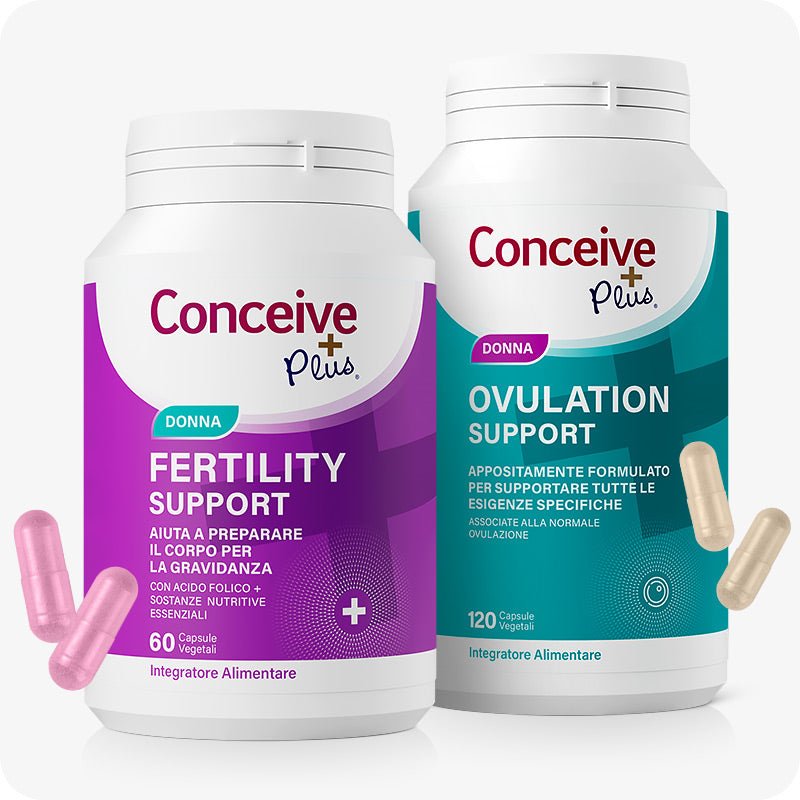
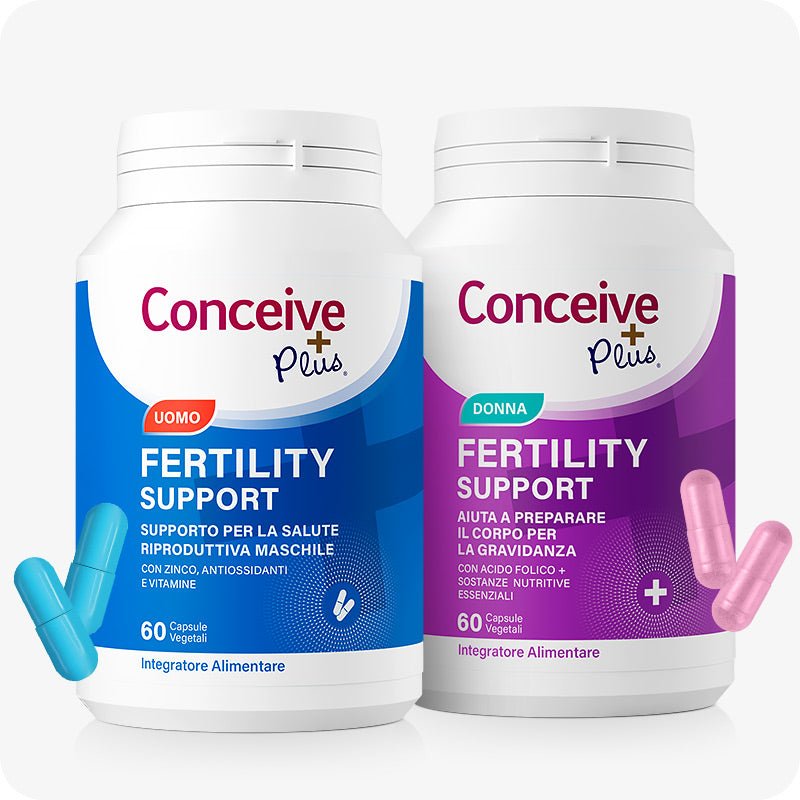
Women's Fertility Support
Developed with fertility experts, this comprehensive supplement provides folate, CoQ10, vitamin D, and key micronutrients to support your body as you prepare for pregnancy again after loss.
Shop Now →Physical recovery from miscarriage varies depending on how far the pregnancy had progressed and how the loss was managed (natural, medical, or surgical).
After an early miscarriage (before 8–10 weeks), physical recovery is typically swift. Bleeding usually resolves within 1–2 weeks, and the first menstrual period generally returns within 4–6 weeks. Many women are physically fertile again within their very next cycle.
After a later miscarriage (10–20 weeks) or a surgical procedure (D&C/ERPC), physical recovery takes longer — typically several weeks for bleeding to resolve. HCG hormone levels return to zero over days to weeks, and the first period may take 4–8 weeks to arrive.
Key physical recovery milestones include:
- Return of menstrual cycles: Most women see their period return within 4–8 weeks. Cycle length may be slightly different initially before settling.
- HCG clearance: Until hCG returns to zero, ovulation does not resume. A blood test can confirm clearance if there is uncertainty.
- Nutritional replenishment: Pregnancy and miscarriage place demands on the body's nutrient stores — particularly iron, folate, vitamin B12, and zinc. Restoring these through diet and supplementation is an important physical recovery step.
- Physical rest: After a surgical procedure, a period of physical rest and pelvic rest (avoiding penetrative intercourse) is typically advised for 1–2 weeks.
Emotional Recovery: The Grief That Deserves Space
The emotional experience of miscarriage is deeply individual. Some people grieve intensely and for an extended period; others experience sadness that resolves more quickly; many move between these states. All responses are valid.
Common emotional experiences after miscarriage include grief and sadness, anxiety about future pregnancies, guilt (even when logically understood to be misplaced), anger, isolation, and, for some, depression and symptoms of post-traumatic stress.
Research published in BJOG found that one in three women who miscarried met clinical criteria for anxiety or depression at one month after their loss — a figure that underscores the psychological significance of pregnancy loss and the need for adequate support.
Emotional recovery is supported by:
- Acknowledging the loss. The grief of miscarriage is real regardless of gestational age. Allowing yourself and your partner to grieve without minimising the loss is important.
- Open communication. Couples often grieve differently — one partner may want to talk extensively, while the other processes more internally. Understanding and respecting these differences reduces relationship strain.
- Professional support. If grief is severe, prolonged, or accompanied by anxiety that is affecting daily functioning, professional support through a counsellor, psychologist, or grief therapist specialising in pregnancy loss is strongly recommended.
- Community and connection. Miscarriage support groups — available in person and online — provide a space to share experiences with others who understand from their own experience.
- Remembrance. Many couples find meaning in simple rituals of remembrance — planting a tree, creating a memory box, or a personal ceremony. These rituals do not need to be elaborate to be meaningful.
When Is It Safe to Try Again?
One of the most common questions after miscarriage is: how soon can we try again?
The medical answer has evolved over recent years. Older guidance often suggested waiting 2–3 months before trying again. However, a large study published in the BMJ — analysing over 30,000 pregnancies — found that women who conceived within 6 months of a miscarriage had the best outcomes in terms of live birth rates and the lowest risk of complications. This led many professional bodies, including the RCOG (Royal College of Obstetricians and Gynaecologists) and the European Society of Human Reproduction and Embryology, to revise guidance toward not imposing a mandatory waiting period.
The current consensus is:
- There is no medical reason to wait after a single early miscarriage
- After a later miscarriage or surgical procedure, waiting until bleeding has resolved and emotional readiness has been considered is sensible
- The couple's emotional readiness is an equally important factor — there is no obligation to try again immediately
If you do decide to try again promptly, continuing preconception supplementation (folic acid, vitamin D) throughout the waiting period is recommended.
Investigating Recurrent Miscarriage
Recurrent miscarriage — generally defined as three or more consecutive pregnancy losses — affects approximately 1% of couples. After two miscarriages, many specialists are willing to begin investigation even before a third loss, particularly in older patients.
A recurrent miscarriage workup typically includes:
Genetic testing: Chromosomal analysis of both partners (karyotyping) to identify balanced translocations or other chromosomal abnormalities that could cause recurrent loss.
Uterine anatomy: Hysteroscopy, saline sonohysterography, or 3D ultrasound to identify structural abnormalities such as uterine septum, fibroids, or polyps.
Hormonal assessment: Thyroid function (TSH), prolactin, AMH (ovarian reserve), day 2 FSH/LH, and a glucose tolerance test if PCOS is suspected.
Antiphospholipid syndrome (APS): A blood clotting disorder that is one of the most important treatable causes of recurrent miscarriage. Diagnosed by testing for antiphospholipid antibodies and lupus anticoagulant. APS is treated with aspirin and heparin during pregnancy with good outcomes.
Thrombophilia screen: Testing for hereditary clotting disorders (Factor V Leiden, prothrombin gene mutation).
In approximately 50% of couples with recurrent miscarriage, no cause is identified despite thorough investigation — this is termed "unexplained recurrent miscarriage." Even so, with supportive care and optimised preconception health, around 75% of these couples go on to have a successful pregnancy.
Optimising Health for the Next Pregnancy
While waiting to try again — or even before actively trying — there is much both partners can do to support their chances of a healthy pregnancy.
Preconception supplementation:
- Folic acid: 400mcg daily for all women planning pregnancy; 5mg if there is a history of neural tube defect-affected pregnancy
- Vitamin D: Deficiency is common across Europe and has been associated with increased miscarriage risk in some studies
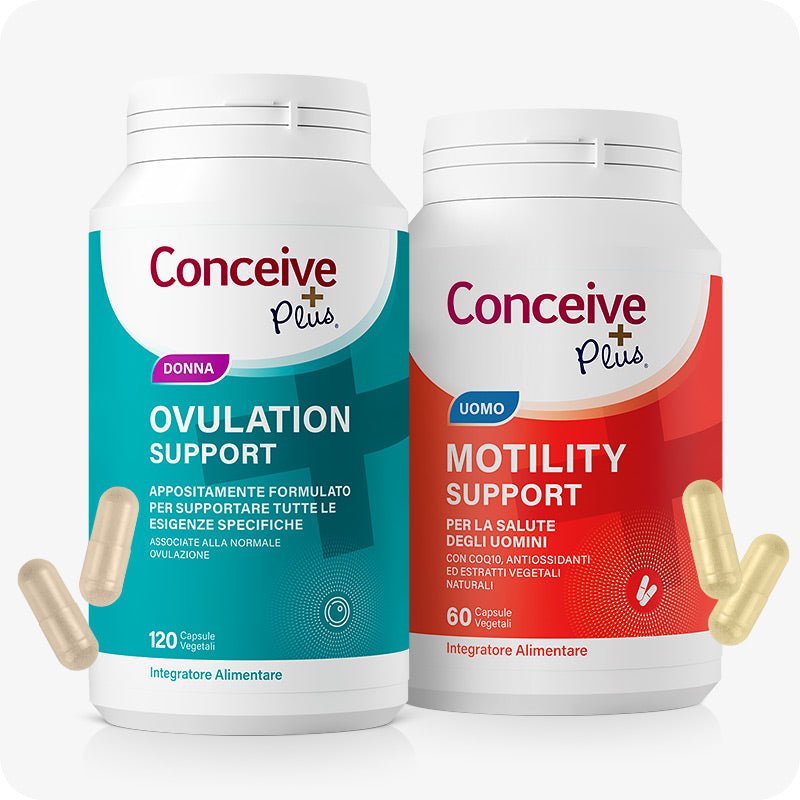
- CoQ10: May support egg quality — particularly relevant for older women or those with elevated oxidative stress
- Iron: If deficient following blood loss
- Omega-3 fatty acids: Support anti-inflammatory processes and may reduce miscarriage risk
Lifestyle: Maintain a healthy weight, eat a Mediterranean-style diet rich in antioxidants, avoid smoking and alcohol, limit caffeine to under 200mg per day, prioritise sleep, and manage stress actively. These steps are not about achieving perfection — they are about creating the healthiest possible environment for conception and early pregnancy.
Thyroid health: Even subclinical hypothyroidism (elevated TSH within the "normal" range but above optimal) has been associated with increased miscarriage risk. If thyroid issues have been identified, ensure they are well controlled before the next conception.
Partner health: Sperm health influences not just fertilisation but also early embryo development. High sperm DNA fragmentation has been linked to increased miscarriage risk. Encouraging male partners to optimise their own health — diet, supplements, avoiding smoking and excessive heat exposure — is genuinely worthwhile.
Emotional Preparedness for Trying Again
The decision to try again after a miscarriage — and the subsequent pregnancy, if it occurs — often carries a unique emotional weight. Anxiety about loss is extremely common and understandable. Many couples describe being unable to feel fully excited about a subsequent pregnancy until they have passed the point at which the previous loss occurred, or received reassurance from an early scan.
Strategies that help include:
- Acknowledging the anxiety rather than trying to suppress it
- Maintaining open dialogue with a supportive GP or midwife
- Accessing early reassurance scans (at 6–8 weeks) where possible
- Continuing to use available emotional support resources
- Practising mindfulness and grounding exercises to manage anxiety in the moment
Many hospitals and fertility clinics across Europe now run dedicated recurrent miscarriage clinics and pregnancy loss support programmes. In the UK and across many EU countries, specialist nurse counsellors are attached to these units and provide invaluable psychological support throughout subsequent pregnancies.
Frequently Asked Questions
Q: How soon after a miscarriage can I start trying again?
A: Current evidence suggests there is no need to wait after a single early miscarriage. The BMJ study found the best outcomes for women who conceived within 6 months. Emotional readiness is an equally important factor.
Q: Do I need to find out why my miscarriage happened?
A: For a first miscarriage, investigation is not routinely recommended because the most common cause — chromosomal abnormality in the embryo — is a random event unlikely to recur. Investigation becomes appropriate after two miscarriages, or earlier if there are specific risk factors.
Q: Can miscarriage be prevented?
A: Most single miscarriages cannot be prevented because they result from chromosomal errors in the embryo — a random event beyond anyone's control. However, optimising maternal and paternal health, treating underlying conditions (thyroid, APS), and maintaining a healthy lifestyle support the best possible conditions for pregnancy.
Q: Is miscarriage ever my fault?
A: Almost universally, no. Miscarriage is not caused by normal activities such as exercise, sex, working, stress, or an argument. The overwhelming majority result from chromosomal abnormalities or other biological factors entirely outside a person's control.
Q: What is antiphospholipid syndrome and how does it affect pregnancy?
A: APS is an autoimmune condition where the body produces antibodies that increase blood clotting risk, affecting placental blood flow and contributing to recurrent miscarriage. It is treatable with low-dose aspirin and heparin during pregnancy, with success rates significantly improved through treatment.
Q: How does my partner's health affect miscarriage risk?
A: High sperm DNA fragmentation has been associated with increased miscarriage risk in some research. Encouraging male partners to take care of their reproductive health — through diet, supplements, avoiding smoking, and limiting heat exposure — is a worthwhile shared endeavour.
Q: Is it normal to feel anxious in a subsequent pregnancy after miscarriage?
A: Entirely normal. Pregnancy after loss is described by many couples as a simultaneous experience of hope and anxiety. Support is available through specialist counsellors, pregnancy loss support organisations, and early reassurance scans.
Q: How many miscarriages before I am investigated?
A: Formal investigation is typically recommended after three consecutive miscarriages. However, after two losses — particularly in women over 35 — many specialists are willing to investigate, and it is reasonable to ask for this.
Q: Can CoQ10 reduce miscarriage risk?
A: CoQ10 supports egg quality by enhancing mitochondrial function. While it cannot prevent chromosomally normal embryos from being lost for other reasons, improving egg quality may increase the proportion of chromosomally normal eggs and thereby reduce some sources of early loss.
Q: Where can I find support after miscarriage in Europe?
A: The Miscarriage Association, Tommy's, and the European Society of Human Reproduction and Embryology (ESHRE) all offer resources. Many national fertility societies across EU member states have dedicated recurrent pregnancy loss units and counselling services.
Trusted by Couples in Over 70 Countries
Supporting You on the Path Back to Pregnancy
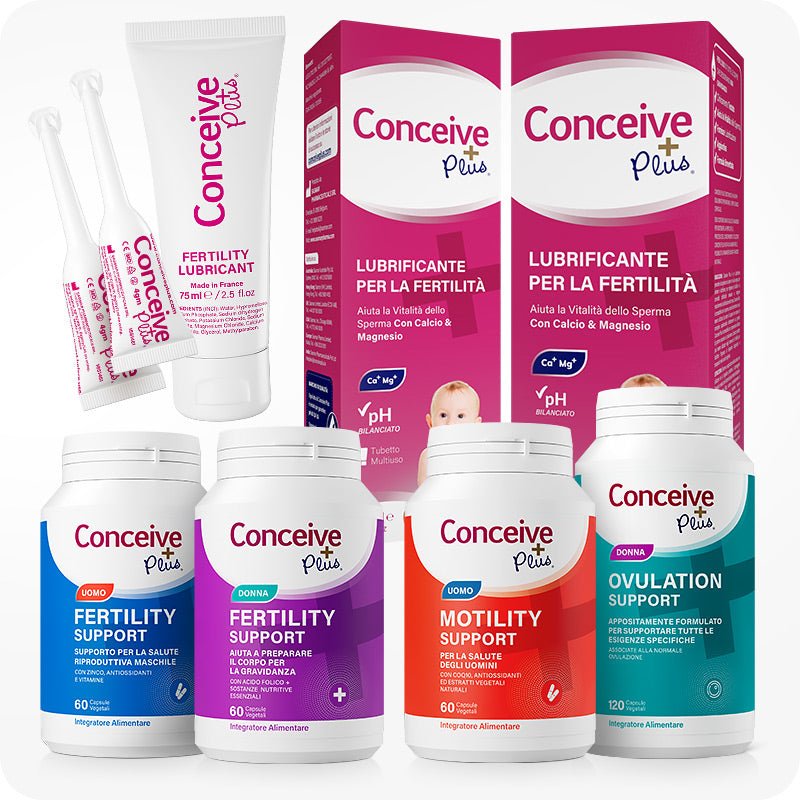
Conceive Plus combines clinical-grade nutrition with the understanding that every step of the fertility journey matters. Trusted by couples across Europe who are giving their next pregnancy the best possible foundation.
Explore the Full Range →