PCOS and Fertility: What Every Woman Needs to Know


PCOS and Fertility: What Every Woman Needs to Know
Polycystic Ovary Syndrome (PCOS) is the most common endocrine disorder affecting women of reproductive age, estimated to affect 8–13% of women worldwide — and up to 20% in some populations. Despite being so prevalent, PCOS remains widely misunderstood, and many women go undiagnosed for years, often discovering they have it only when they begin trying to conceive.
The good news is that PCOS is highly manageable, and the majority of women with PCOS can and do conceive — often naturally, with the right nutritional, lifestyle, and supplementation support. This comprehensive guide explains what PCOS is, how it affects fertility, and the most effective strategies for women with PCOS who are trying to conceive, including the Conceive Plus PCOS protocol.
What Is PCOS? Diagnosis and the Rotterdam Criteria
PCOS is a complex hormonal and metabolic syndrome. Despite its name, not all women with PCOS have cysts on their ovaries — and having ovarian cysts doesn't necessarily mean you have PCOS. The most widely used diagnostic framework is the Rotterdam Criteria, which requires at least 2 of the following 3 features:
- Oligo- or anovulation: Irregular or absent menstrual cycles, reflecting infrequent or absent ovulation
- Hyperandrogenism: Either clinical signs (excess body hair, acne, male-pattern hair loss) or biochemical evidence (elevated testosterone, DHEAS, or free androgen index)
- Polycystic ovarian morphology (PCOM): 20+ small follicles per ovary or an ovarian volume >10mL on ultrasound
PCOS is not a single condition but rather a spectrum, and women may present very differently. Some have primarily metabolic features (insulin resistance, weight difficulties), others have primarily androgen excess, and others have irregular cycles as the dominant concern. Understanding which features are most prominent in your case helps guide the most effective treatment approach.
How PCOS Affects Fertility and Ovulation
The primary fertility impact of PCOS is anovulation — the failure to ovulate regularly or at all. Ovulation requires a precisely coordinated hormonal cascade: FSH stimulates follicle development, LH surges to trigger ovulation, and progesterone supports the luteal phase. In PCOS, several factors disrupt this cascade:
Insulin resistance: The majority of women with PCOS (approximately 70–80%) have some degree of insulin resistance, regardless of body weight. Elevated insulin stimulates the theca cells of the ovary to produce excess androgens, which interferes with normal follicle development and disrupts the LH surge needed to trigger ovulation. Even lean women with PCOS often have functional insulin resistance in their reproductive tissues.
Elevated LH: Many women with PCOS have chronically elevated LH levels relative to FSH, which prevents the final maturation and release of follicles. This creates the characteristic "arrested follicle" pattern seen on ultrasound — multiple small follicles that began development but never reached full maturity.
Androgen excess: Elevated testosterone and other androgens impair the quality of follicle development and can create a hostile environment for egg maturation.
The result is often cycles that are very long (40+ days) or absent, with ovulation occurring unpredictably if at all. This makes natural conception more challenging, but not impossible — women with PCOS who do ovulate (even irregularly) can conceive naturally.
PCOS Types and What They Mean for Your Fertility Strategy
Researchers increasingly recognise four main phenotypes of PCOS, which have implications for treatment approach:
- Type A (Classic PCOS): All three Rotterdam features — anovulation, hyperandrogenism, and polycystic ovaries. Often the most challenging fertility presentation.
- Type B: Anovulation + hyperandrogenism, but without polycystic ovarian morphology on ultrasound.
- Type C: Hyperandrogenism + polycystic ovaries, but ovulatory cycles (may have irregular timing).
- Type D (Non-hyperandrogenic PCOS): Anovulation + polycystic ovaries, but normal androgen levels. The mildest metabolic profile — responds very well to lifestyle intervention.
Knowing your phenotype helps you and your doctor target the most impactful interventions. For example, women with predominantly insulin-resistant PCOS often see dramatic improvements in ovulation with inositol supplementation and dietary changes, while those with type A PCOS may need more aggressive hormonal support.
Inositol for PCOS: The Most Evidence-Based Natural Supplement
Of all the natural supplements studied for PCOS, inositol — particularly myo-inositol and D-chiro-inositol — has by far the strongest evidence base. Inositol is a naturally occurring sugar alcohol that plays a critical role as a secondary messenger in insulin signalling pathways.
Research findings on inositol for PCOS include:
- A 2012 randomised controlled trial in Gynecological Endocrinology found that myo-inositol supplementation restored spontaneous ovulation in 72% of women with anovulatory PCOS
- Multiple studies show inositol reduces fasting insulin, testosterone, and LH levels while improving menstrual regularity
- The combination of myo-inositol and D-chiro-inositol in a 40:1 ratio has been shown to be most effective, reflecting the physiological ratio found in most body tissues
- Inositol has a very favourable safety profile, with minimal side effects
A standard dose is 2,000mg of myo-inositol twice daily (4,000mg total). Results typically become apparent within 3 months of consistent supplementation — often manifesting as more regular cycles and positive OPK tests in previously anovulatory women.
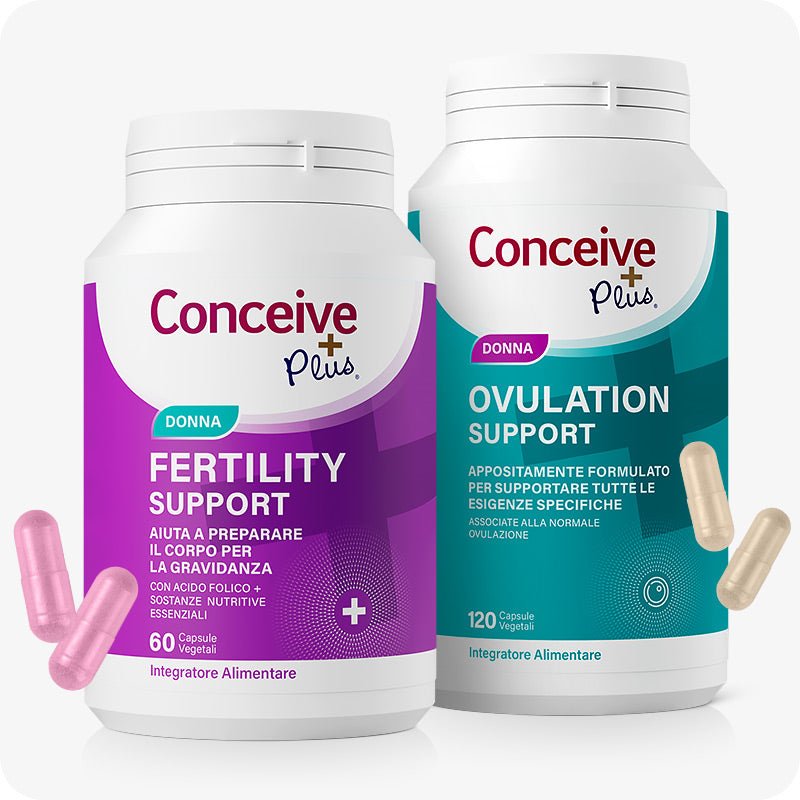
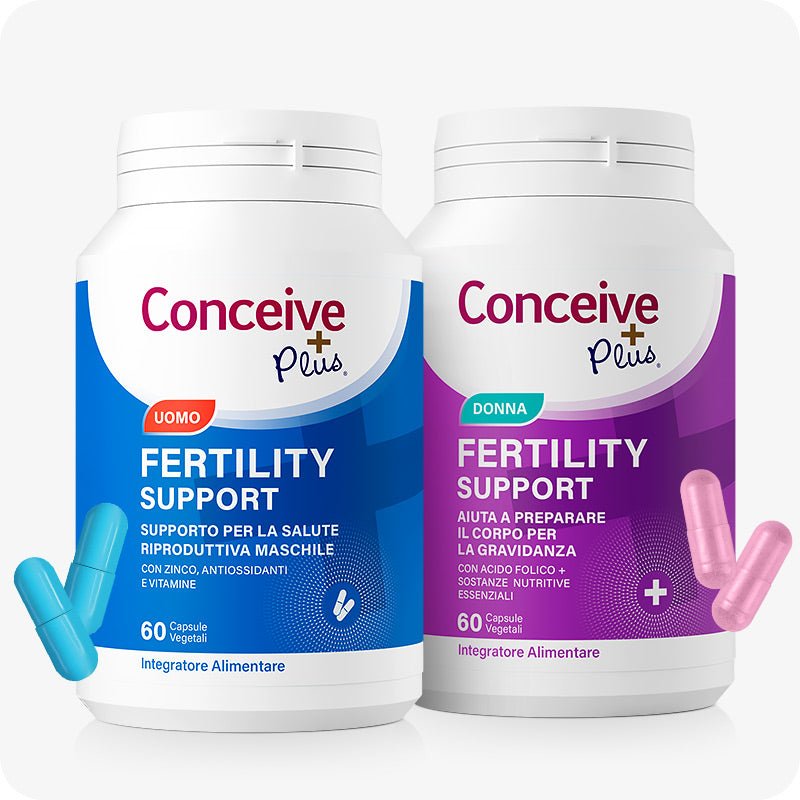
Conceive Plus Women's Fertility Support includes myo-inositol as a core ingredient, alongside complementary nutrients that support hormonal balance and egg quality in women with PCOS.
Diet and Lifestyle for PCOS: The Foundation of Fertility
For women with PCOS — particularly those with insulin resistance — diet and lifestyle interventions can be profoundly effective at improving ovulation and fertility outcomes, sometimes to a greater degree than medication.
The Low-Glycaemic Diet for PCOS
A diet that minimises blood glucose spikes is fundamental for managing insulin resistance in PCOS. Key principles:
- Choose whole grains over refined carbohydrates (brown rice, quinoa, oats over white bread and pasta)
- Pair carbohydrates with protein, fat, or fibre to slow glucose absorption
- Prioritise non-starchy vegetables — fill half your plate at each meal
- Limit added sugars, fruit juices, and sweetened beverages
- Include anti-inflammatory foods: berries, leafy greens, oily fish, turmeric, ginger
Weight Management
For women with PCOS who are overweight, even modest weight loss (5–10% of body weight) can significantly improve ovulation and menstrual regularity. A review published in Human Reproduction Update found that lifestyle modification alone restored ovulation in 55–100% of overweight PCOS patients who achieved 5% weight loss. However, a low-calorie, nutrient-poor approach can be counterproductive — focus on dietary quality rather than restriction.
Exercise
Regular exercise improves insulin sensitivity independently of weight loss. Both resistance training and aerobic exercise have shown benefit for PCOS. A combination of both (3 days resistance training + 2 days cardio per week) is optimal. Intense endurance exercise should be moderated, as it can disrupt the HPO axis and worsen hormonal balance in some women with PCOS.
Ovulation Induction for PCOS: Letrozole, Clomid, and Metformin
When lifestyle and supplement interventions don't restore ovulation, medical ovulation induction is highly effective for PCOS.
Letrozole (Femara)
Letrozole is now the first-line pharmacological ovulation induction agent for PCOS, per ASRM and ESHRE guidelines. It works by temporarily suppressing oestrogen production, causing FSH to rise and stimulating follicle development. Letrozole has a higher live birth rate and lower multiple pregnancy rate than Clomid in PCOS patients. It is typically taken on cycle days 3–7 at doses of 2.5–7.5mg.
Clomiphene Citrate (Clomid)
Clomid was the historical standard of care for anovulatory PCOS. It works as a selective oestrogen receptor modulator, blocking oestrogen receptors to stimulate FSH release. Success rates are approximately 70–80% for ovulation and 30–40% for pregnancy over 6 cycles. Clomid resistance (failure to ovulate despite maximum dose) occurs in approximately 15–40% of PCOS patients — letrozole is preferred in these cases.
Metformin
Metformin is an insulin-sensitising medication that reduces insulin resistance and androgens in PCOS. While less effective than letrozole for ovulation induction on its own, it may be combined with ovulation induction agents to improve response, particularly in women with metabolic PCOS. It also reduces the risk of ovarian hyperstimulation syndrome (OHSS).
The Conceive Plus PCOS Protocol
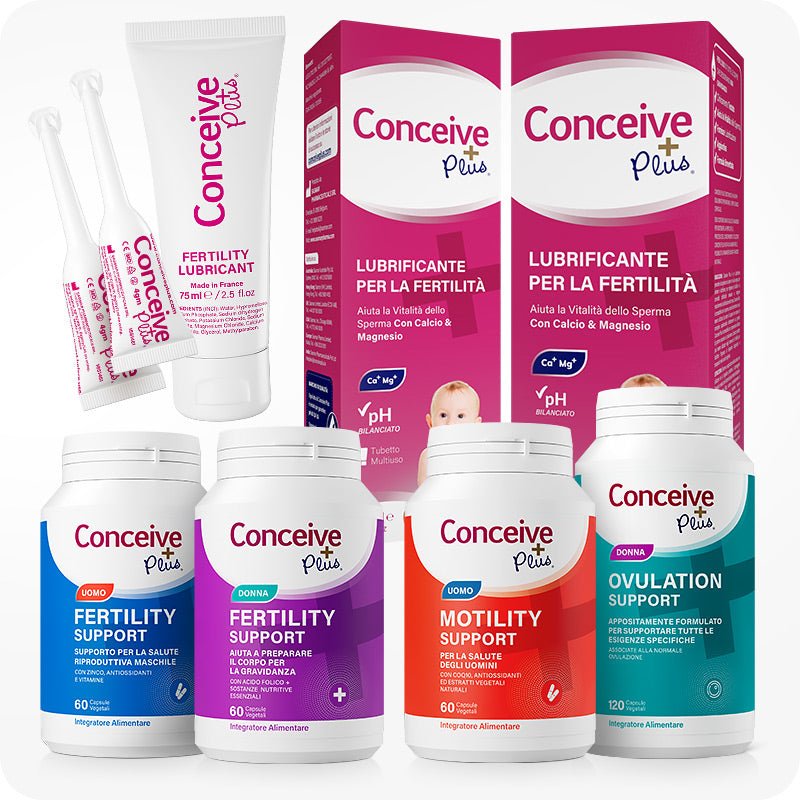
A comprehensive PCOS fertility protocol combines multiple strategies synergistically. The Conceive Plus approach supports women at every stage:
- Foundation: Myo-inositol supplementation (included in Conceive Plus Women's Fertility Support) to address insulin resistance and support ovulation
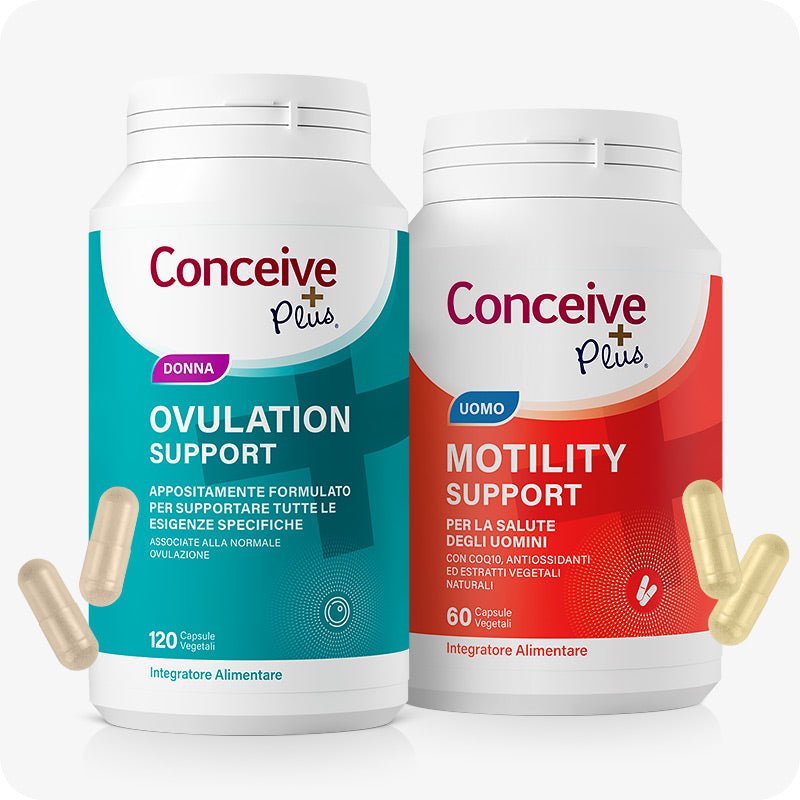
- Egg quality: CoQ10 and antioxidants to support the egg quality that is often compromised in PCOS
- Hormonal balance: Vitamin D3 (deficiency is extremely common in PCOS and correlates with severity), zinc, and B vitamins
- Cycle tracking: OPKs and BBT to identify the irregular ovulation that women with PCOS do experience — the fertile window is there; it's just less predictable
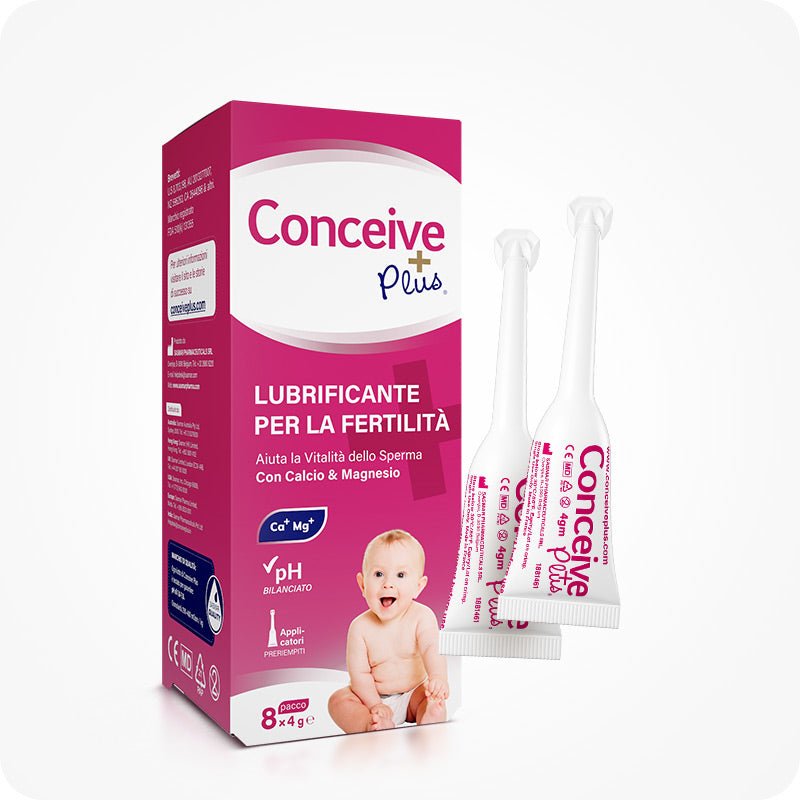
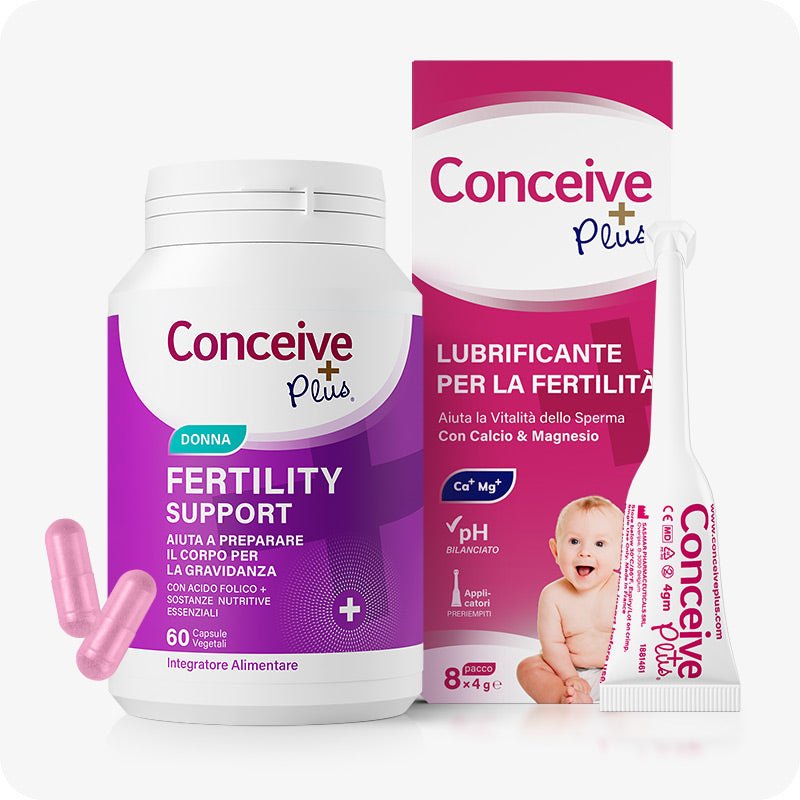
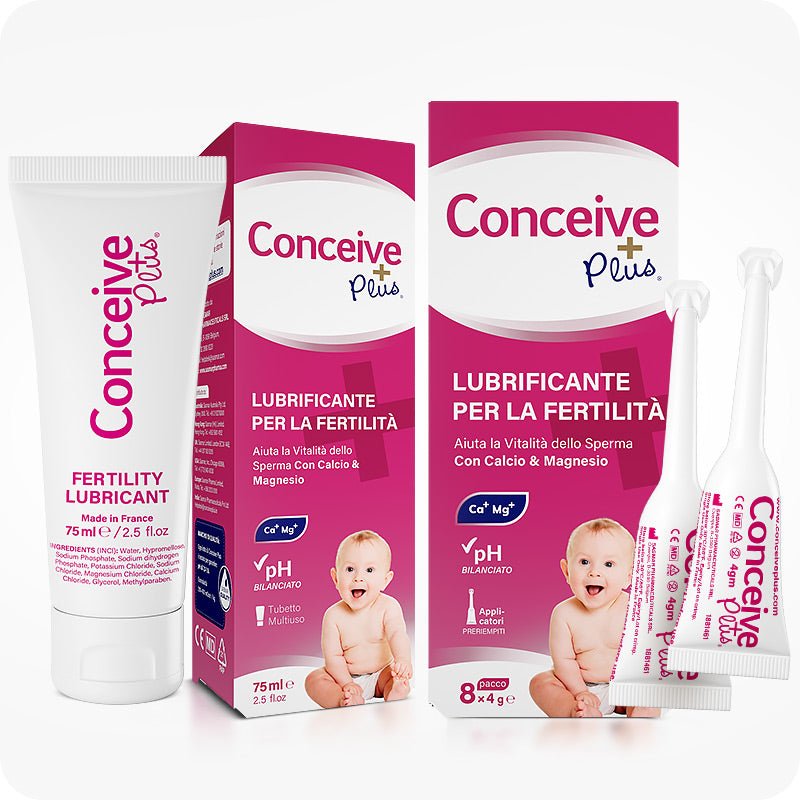
- Fertile window support: Conceive Plus fertility lubricant during the fertile window to ensure a sperm-supportive environment regardless of natural cervical mucus production
This comprehensive approach — addressing PCOS from the inside out — gives women with PCOS the best possible chance of natural conception while providing a solid foundation for medical interventions if needed.
Tracking Ovulation with PCOS: Special Considerations
Ovulation tracking with PCOS presents unique challenges. Standard OPKs may show multiple "false positives" due to chronically elevated LH, and BBT charts may show irregular patterns. Here are strategies that work:
- Quantitative OPKs (e.g., Mira): Measure actual LH concentration rather than positive/negative. This helps distinguish a genuine LH surge (higher and more acute) from chronically elevated baseline LH.
- Combine OPKs with progesterone testing: A serum or urine progesterone test 7 days after a suspected ovulation date can confirm whether ovulation actually occurred.
- Ultrasound monitoring: In a medical setting, transvaginal ultrasound can track follicle development and confirm ovulation — the gold standard for women with PCOS who are uncertain whether they're ovulating.
- Cervical mucus: EWCM remains a reliable sign of approaching ovulation in most women with PCOS, even with irregular cycles.
Frequently Asked Questions: PCOS and Fertility
Can I get pregnant with PCOS naturally?
Yes — many women with PCOS conceive naturally. PCOS is a cause of fertility challenges, not infertility in the absolute sense. Women with PCOS who ovulate (even irregularly) can conceive naturally. With lifestyle optimisation, inositol supplementation, and accurate cycle tracking, many women with PCOS restore regular ovulation and go on to conceive without medical intervention.
Does PCOS get better with age?
PCOS symptoms can change across a woman's life. Some women find that androgen-related symptoms (acne, excess hair) improve with age, and menstrual regularity sometimes improves in the late 30s as AMH levels naturally decline. However, metabolic features (insulin resistance, cardiovascular risk factors) may persist or worsen with age, particularly without lifestyle management.
What does inositol do for PCOS?
Inositol acts as a secondary messenger in insulin signalling pathways. In women with PCOS, inositol deficiency or reduced efficiency leads to insulin resistance at the ovarian level. Supplementation with myo-inositol improves insulin sensitivity, reduces LH and androgen levels, and supports follicle maturation — ultimately restoring ovulation in many anovulatory PCOS patients.
How long does it take for inositol to work for PCOS?
Clinical trials typically assess outcomes at 3–6 months of supplementation. Many women begin to notice improvements in menstrual regularity within 2–3 months of consistent myo-inositol supplementation. For significant improvements in ovulation frequency and hormone levels, 3–6 months is the standard timeframe.
Should I track ovulation differently with PCOS?
Yes. Standard OPKs may give misleading results in PCOS due to chronically elevated LH. Consider quantitative OPKs (like Mira) that measure actual LH concentration, and confirm ovulation with progesterone testing 7 days after a suspected peak. Combining cervical mucus monitoring with OPKs improves accuracy.
Is the ketogenic diet good for PCOS?
Some women with PCOS find low-carbohydrate or ketogenic diets beneficial for weight loss and insulin resistance management. Short-term studies show improvements in hormonal markers and menstrual regularity. However, very low-carbohydrate diets can stress the hypothalamic-pituitary axis and may not be appropriate for all women with PCOS, particularly athletes or very lean women. A balanced low-glycaemic approach is generally more sustainable and better tolerated long-term.
Does metformin help with PCOS fertility?
Metformin can improve ovulation rates and menstrual regularity in PCOS, particularly in women with significant insulin resistance. However, letrozole is now the preferred first-line ovulation induction agent. Metformin is often used as an adjunct to letrozole or in women who prefer a non-stimulatory approach. It also reduces the risk of early pregnancy complications in PCOS and may be continued through the first trimester.
Can PCOS cause miscarriage?
Yes — PCOS is associated with increased miscarriage risk (approximately 30–50% higher than the general population). Factors contributing to this include impaired endometrial receptivity from elevated androgens and insulin, luteal phase defects, and metabolic factors. Inositol and metformin may both reduce miscarriage risk in PCOS. Adequate progesterone support in the luteal phase is also important.
What supplements does Conceive Plus recommend for PCOS?
Conceive Plus Women's Fertility Support includes myo-inositol, CoQ10, methylfolate, vitamin D3, zinc, and a comprehensive antioxidant blend — the core nutritional protocol recommended for PCOS fertility support. These nutrients address the key mechanisms of PCOS: insulin resistance, androgen excess, oxidative stress, and egg quality.
Is IVF more difficult with PCOS?
Women with PCOS often respond strongly to IVF stimulation (due to their high antral follicle count) but face an elevated risk of ovarian hyperstimulation syndrome (OHSS). Modern IVF protocols use antagonist protocols, low-dose stimulation, and trigger shots with GnRH agonist (instead of hCG) to significantly reduce OHSS risk. Women with PCOS typically have excellent egg yields in IVF and good outcomes overall.