The Fertility Diet: How What You Eat Shapes Your Reproductive Health


The relationship between nutrition and fertility is one of the most compelling areas of reproductive medicine research. What we eat influences hormone production, egg and sperm quality, uterine health, and the metabolic environment in which conception and early pregnancy unfold. While diet alone cannot overcome all fertility challenges, the evidence is clear: nutritional choices have a meaningful, modifiable impact on reproductive outcomes.
This comprehensive guide explores the science of fertility nutrition — from the dietary patterns most strongly associated with conception success, to specific nutrients that support egg and sperm health, to practical strategies for making lasting changes that support your reproductive goals.
The Science Behind Diet and Fertility
The concept of a "fertility diet" gained significant scientific credibility through landmark research from Harvard University. The Nurses' Health Study II, which followed over 17,000 women trying to conceive, found that women who followed certain dietary patterns had significantly lower rates of ovulatory infertility. Since then, numerous studies have reinforced and expanded these findings for both women and men.
How Diet Affects Female Fertility
In women, dietary factors influence fertility through several interconnected pathways:
- Hormonal balance: Key hormones including oestrogen, progesterone, LH, and FSH are synthesised from dietary building blocks (cholesterol, amino acids) and their activity is modulated by nutritional factors.
- Insulin sensitivity: Diet profoundly influences insulin signalling, which in turn affects androgen levels, ovulation, and — critically — conditions like PCOS.
- Egg quality: The oocyte is one of the largest and most metabolically active cells in the body. Its energy production and protection from oxidative damage depend heavily on mitochondrial function, which is nutrient-dependent.
- Uterine health: The endometrium undergoes remarkable changes during the menstrual cycle under hormonal direction, and nutrient adequacy supports these processes.
- Thyroid function: The thyroid is a key regulator of metabolic rate and reproductive hormones, and depends on adequate iodine, selenium, and zinc.
How Diet Affects Male Fertility
Sperm are uniquely vulnerable to dietary influences. Unlike eggs, which are present from birth, sperm are continuously produced — a cycle lasting approximately 72–90 days. This means that dietary changes can produce measurable improvements in sperm quality within 3 months. Key dietary effects on sperm include:
- Oxidative stress: Sperm are rich in polyunsaturated fatty acids (essential for membrane flexibility) but consequently highly susceptible to oxidative damage. Antioxidant nutrients from diet counteract this damage.
- Testosterone production: Zinc, vitamin D, and healthy fats are precursors and cofactors for testosterone synthesis.
- DNA integrity: Folate, zinc, selenium, and antioxidants are required for proper DNA repair and synthesis in developing sperm, directly affecting sperm DNA fragmentation.
The Mediterranean Diet and Fertility
Ready to take the next step?
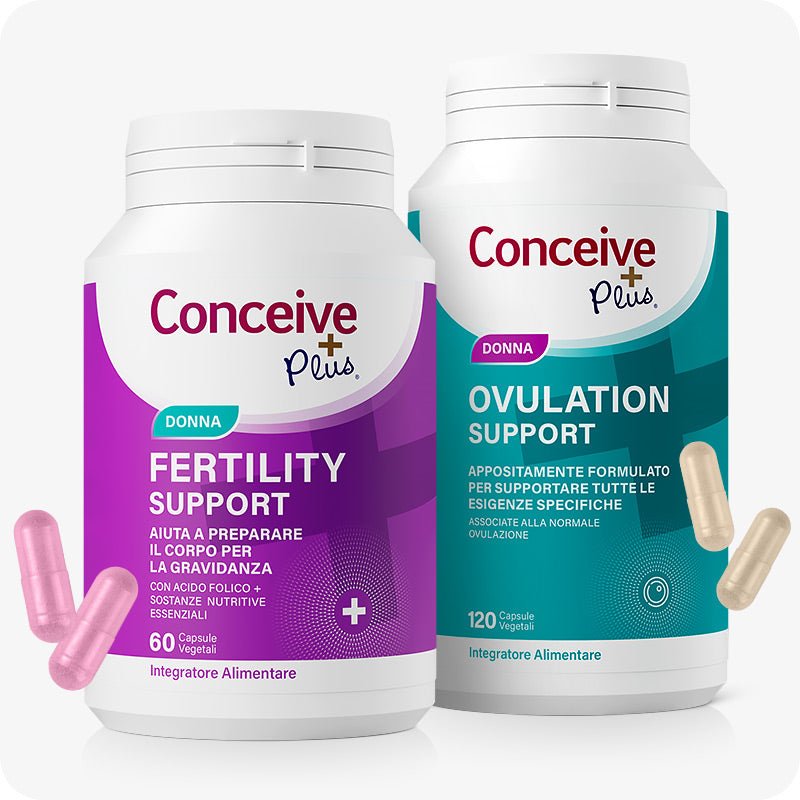
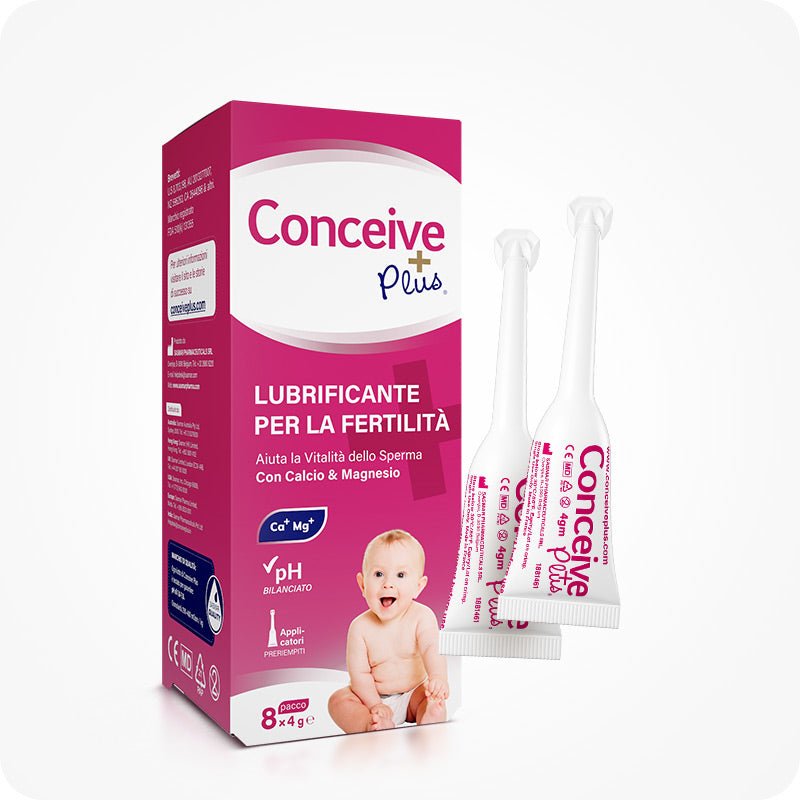
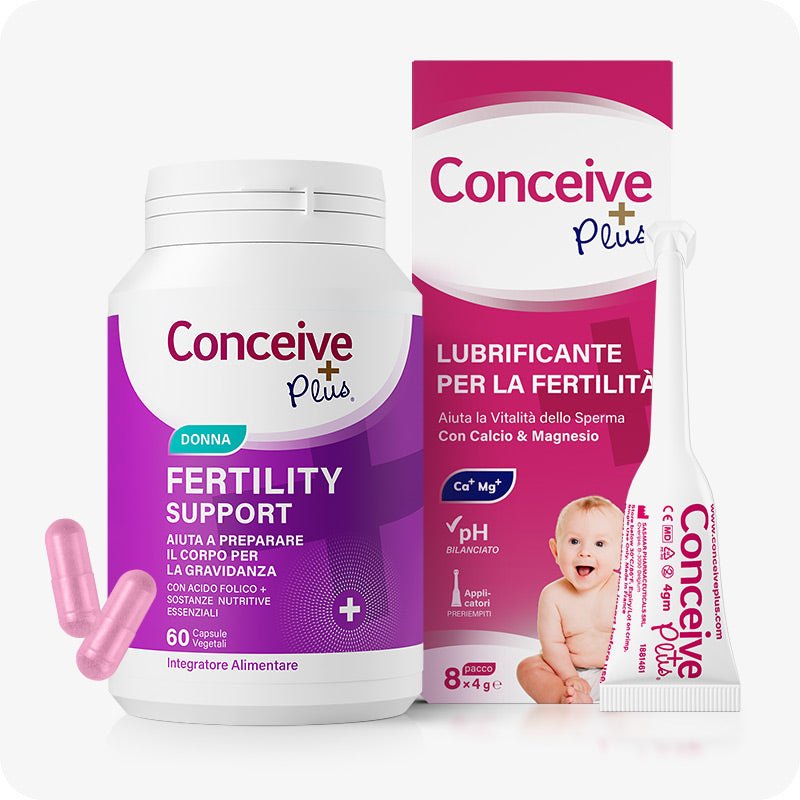
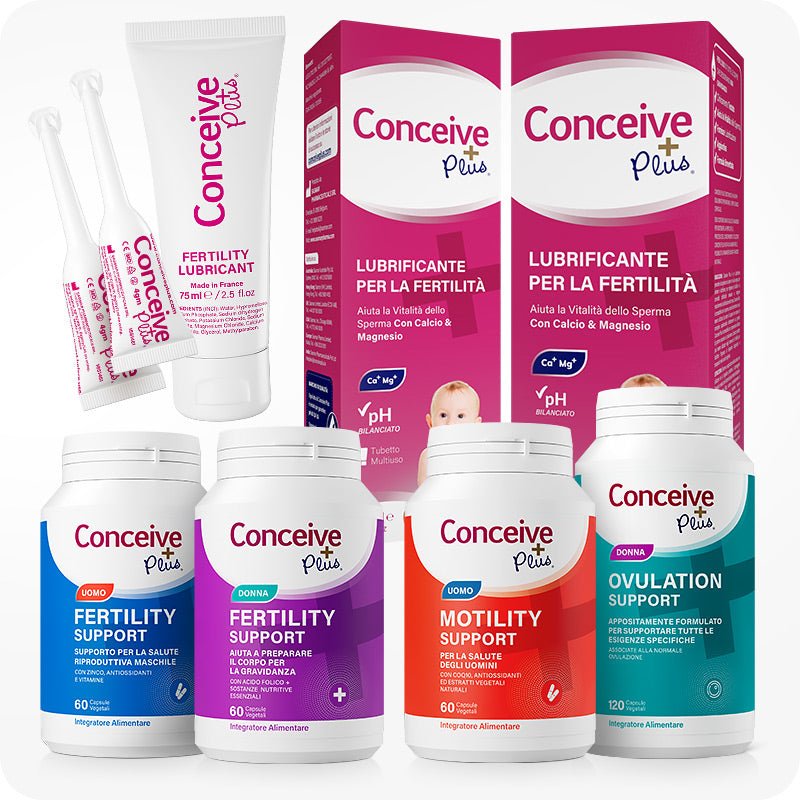
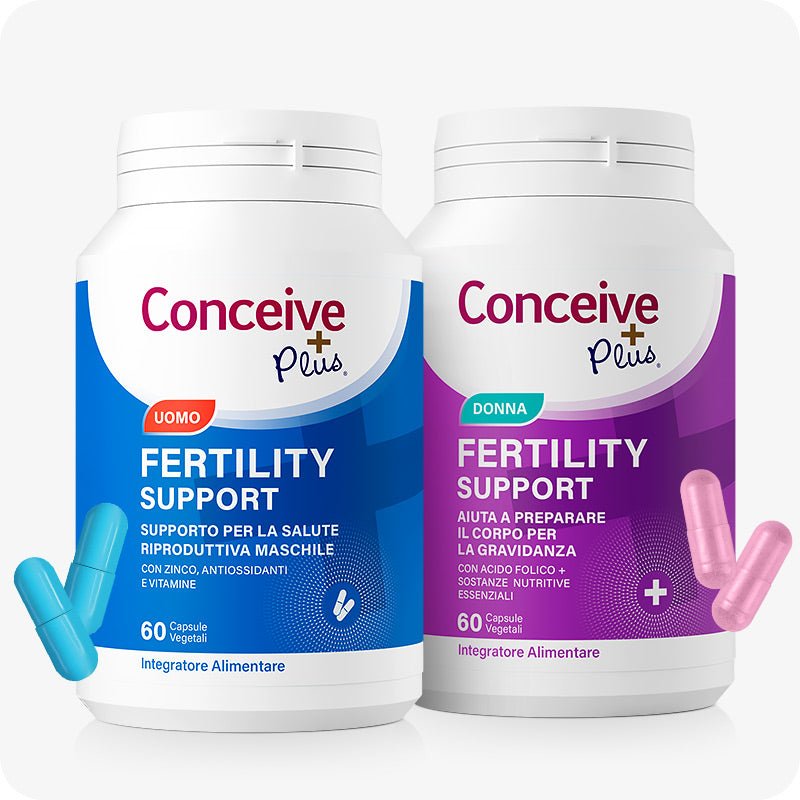
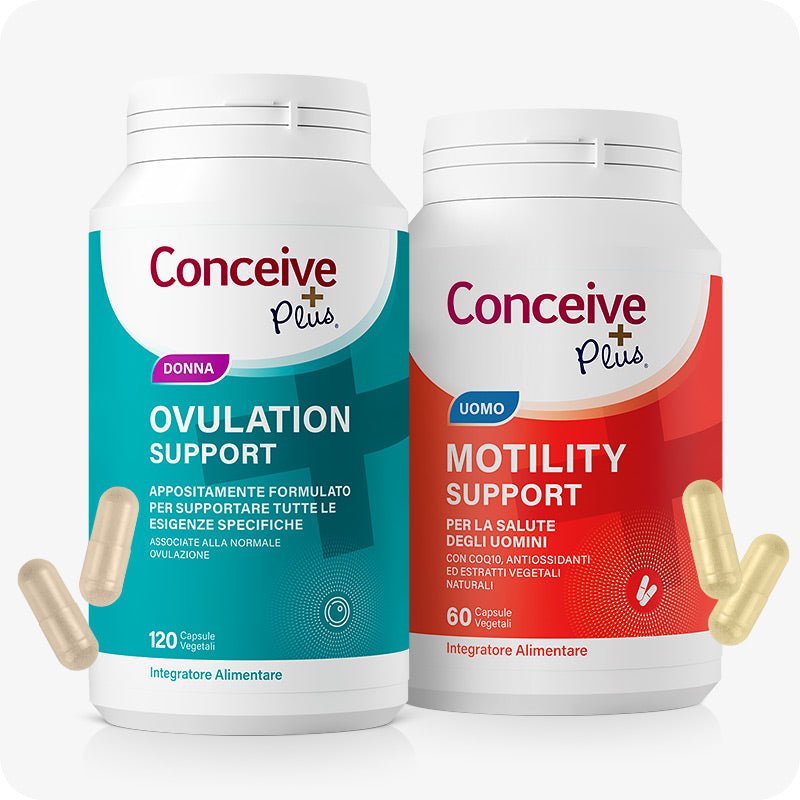
Conceive Plus Prenatal Range is scientifically formulated to support complete nutritional support from preconception through pregnancy. Trusted by couples worldwide.
Explore Conceive Plus Prenatal Range →The Mediterranean dietary pattern is the most extensively studied dietary approach in relation to fertility, and the evidence is consistently positive. Characterised by high intake of vegetables, fruits, whole grains, legumes, nuts, olive oil, and fish — with moderate consumption of dairy and red wine, and low intake of red and processed meats — the Mediterranean diet provides a template for fertility-supportive eating.
Key Research Findings
- A study published in Human Reproduction found that women who closely followed a Mediterranean diet had a 40% higher probability of achieving pregnancy through IVF than those with low adherence.
- In men, Mediterranean diet adherence is associated with higher sperm concentrations and better motility.
- The anti-inflammatory and insulin-sensitising properties of the Mediterranean diet are particularly beneficial for women with PCOS.
Why It Works
The Mediterranean diet's fertility benefits appear to come from several synergistic factors: high antioxidant content (from colourful vegetables and fruits), anti-inflammatory fats (oleic acid from olive oil, omega-3s from fish), fibre and slow-release carbohydrates (supporting stable blood sugar and insulin), and an abundance of fertility-critical micronutrients.
Key Fertility Nutrients: What the Evidence Shows
Folic Acid and Folate
Folic acid is the single most important nutritional intervention for pregnancy — a fact so well established that it underpins public health recommendations globally. Adequate folate (at least 400 mcg daily from supplements, plus dietary sources) in the periconceptional period reduces neural tube defect risk by up to 70%.
Beyond preventing neural tube defects, folate plays essential roles in DNA synthesis and repair, cell division, and one-carbon metabolism. Recent research suggests that higher folate status may also improve ovulation frequency and IVF outcomes. Good food sources include leafy green vegetables, legumes, fortified cereals, and citrus fruits.
Omega-3 Fatty Acids
Omega-3 fatty acids — particularly EPA (eicosapentaenoic acid) and DHA (docosahexaenoic acid) from marine sources — are among the most evidence-backed fertility nutrients. Research demonstrates:
- Improved egg quality and ovarian reserve markers in women taking omega-3 supplements
- Improved sperm morphology and motility in men
- Anti-inflammatory effects that benefit conditions like endometriosis and PCOS
- Critical role in foetal brain and eye development (a reason to maintain omega-3 intake through pregnancy)
Rich sources include oily fish (salmon, sardines, mackerel, herring), walnuts, flaxseeds, chia seeds, and high-quality fish oil supplements.
Antioxidants: Vitamins C and E, Zinc, Selenium
Oxidative stress — an excess of free radicals relative to antioxidant defences — damages both eggs and sperm and is implicated in many fertility problems. An antioxidant-rich diet helps counteract this damage.
Key antioxidant nutrients include:
- Vitamin C: Protects sperm DNA and is concentrated in follicular fluid. Found in citrus fruits, berries, kiwi, peppers, and broccoli.
- Vitamin E: A fat-soluble antioxidant that protects cell membranes. Found in nuts, seeds, olive oil, and avocado.
- Zinc: Essential for sperm production, testosterone synthesis, and cell division. Found in oysters, meat, pumpkin seeds, legumes, and dairy.
- Selenium: A cofactor for the antioxidant enzyme glutathione peroxidase. Important for sperm motility and thyroid function. Found in Brazil nuts, fish, meat, and eggs.
- Lycopene: A carotenoid found in tomatoes (particularly cooked) with specific evidence for improving sperm morphology.
Coenzyme Q10 (CoQ10)
CoQ10 is a naturally occurring compound that plays a pivotal role in mitochondrial energy production and acts as a powerful antioxidant. It has attracted significant research interest for both egg and sperm quality:
- In women, CoQ10 supplementation (200–600 mg/day) has been shown to improve ovarian response in IVF and may improve egg quality, particularly in older women where CoQ10 levels in follicular fluid are lower.
- In men, CoQ10 supplementation significantly improves sperm concentration, motility, and morphology across multiple randomised controlled trials.
CoQ10 is found in small amounts in organ meats, beef, oily fish, and peanuts, but food quantities are insufficient to achieve therapeutic levels — supplementation is generally required.
Iron
Iron deficiency is the world's most common nutritional deficiency and is associated with ovulatory infertility. The Nurses' Health Study II found that women who took iron supplements had significantly lower risk of ovulatory infertility. Non-haem iron (from plant sources like legumes, tofu, fortified cereals, and leafy greens) appears to be particularly beneficial, while haem iron from red meat may have mixed effects at high intakes.
Iron absorption is enhanced by vitamin C and reduced by calcium, coffee, and tea — factors worth considering in meal planning.
Vitamin D
Vitamin D receptors are present throughout the reproductive system — in ovarian follicles, endometrium, sperm, and testes — suggesting an important biological role in reproduction. Low vitamin D status is associated with lower IVF success rates, higher rates of polycystic ovary syndrome symptoms, and poorer sperm parameters.
In Europe, vitamin D deficiency is widespread, particularly during winter months. Supplementation (typically 1,000–2,000 IU daily, or as directed by a physician based on blood levels) is commonly recommended.
Iodine
Iodine is essential for thyroid hormone production, and thyroid dysfunction is one of the most common and treatable causes of fertility problems. Mild iodine deficiency — common in many European countries — can impair thyroid function and reduce fertility. Dairy products, seafood, and iodised salt are key dietary sources.
Foods to Limit for Fertility
Just as certain foods support fertility, others have been associated with reduced reproductive function.
Processed and Ultra-Processed Foods
Diets high in ultra-processed foods — characterised by industrial formulations of refined carbohydrates, unhealthy fats, sugar, salt, and additives — are consistently associated with worse fertility outcomes. These foods promote inflammation, disrupt insulin signalling, and displace nutrient-dense foods from the diet.
Trans Fats
The Harvard Nurses' Health Study found that each 2% increase in energy from trans fats was associated with a 73% greater risk of ovulatory infertility. While industrial trans fats have been largely phased out following regulatory action, they persist in some partially hydrogenated oils and processed products.
Refined Carbohydrates and Added Sugars
High glycaemic foods cause rapid spikes in blood sugar and insulin, which can disrupt ovulatory hormones. This is particularly important for women with PCOS or insulin resistance. Replacing refined carbohydrates with whole grain alternatives and reducing added sugar intake is a straightforward and impactful dietary change.
Alcohol
Research on alcohol and fertility is nuanced. Heavy alcohol consumption is clearly harmful to both egg and sperm quality, and alcohol in pregnancy carries well-established risks. Moderate consumption (1–2 drinks per week) may not significantly impair natural conception, but most specialists recommend abstaining when actively trying to conceive, particularly during the two-week wait and once pregnancy is confirmed.
Excessive Caffeine
High caffeine intake (more than 300–500 mg/day, equivalent to 3–5 cups of coffee) is associated with reduced fertility and increased miscarriage risk. Limiting caffeine to one or two cups of coffee per day is a reasonable precaution when trying to conceive.
Practical Fertility Nutrition: Making It Work
A Typical Fertility-Supportive Day of Eating
- Breakfast: Whole grain porridge with berries, walnuts, and ground flaxseed; glass of orange juice (for vitamin C)
- Lunch: Large salad with leafy greens, grilled salmon, avocado, pumpkin seeds, tomatoes, and olive oil dressing; wholegrain bread
- Snack: Greek yoghurt with a drizzle of honey; a handful of Brazil nuts
- Dinner: Lentil and vegetable curry with brown rice; side of steamed broccoli
- Supplementation: Comprehensive prenatal supplement including folic acid, vitamin D, omega-3s, CoQ10, and key minerals
When to Start a Fertility Diet
Ideally, fertility-supportive dietary changes should begin at least 3 months before trying to conceive — reflecting the 90-day sperm production cycle and the time needed for nutritional status to improve. However, starting later is always better than not starting at all. Many nutritional improvements produce measurable changes in fertility markers within weeks.
Working With a Fertility Nutritionist
For personalised guidance, particularly if you have specific health conditions like PCOS, endometriosis, or thyroid issues, a registered dietitian or nutritionist specialising in fertility can create an individualised plan that addresses your unique needs. This investment often pays significant dividends in fertility outcomes and general wellbeing.
Frequently Asked Questions About the Fertility Diet
Is a plant-based diet good for fertility?
Plant-based diets can be excellent for fertility if well-planned. They tend to be high in antioxidants, fibre, and phytonutrients. Key nutrients to monitor when eating plant-based include vitamin B12, zinc, iron, iodine, omega-3 DHA/EPA, and vitamin D. These may require supplementation or targeted food choices.
Does dairy affect fertility?
The evidence on dairy and fertility is mixed. The Nurses' Health Study found that full-fat dairy was associated with lower ovulatory infertility risk, while low-fat dairy was associated with higher risk. More recent research suggests the effect may be related to dairy's influence on insulin signalling. Moderate full-fat dairy consumption appears to be compatible with fertility-supportive eating.
How long does it take for diet changes to improve fertility?
For sperm quality, the full effect of dietary changes takes approximately 72–90 days (one sperm production cycle). Hormonal effects in women may be noticeable within 1–2 months. The recommendation is to start at least 3 months before trying to conceive for maximum benefit.
Is soy bad for fertility?
Soy contains phytoestrogens (plant compounds with weak oestrogenic activity), which led to concerns about hormonal effects. However, the evidence does not support soy being harmful for fertility at typical dietary amounts. Some research even suggests modest benefits for women with PCOS. Extremely high supplemental soy isoflavone intake is more concerning, but normal dietary soy consumption appears safe.
What should men eat to improve sperm quality?
A Mediterranean-style diet is the most evidence-backed approach for men. Key foods include oily fish, nuts (especially walnuts), tomatoes (cooked for lycopene), leafy greens, legumes, and berries. Avoid processed meats, excessive alcohol, and ultra-processed foods. Specific supplements with evidence include CoQ10, zinc, selenium, vitamin C, vitamin E, and omega-3s.
Does caffeine really affect fertility?
High caffeine intake is associated with reduced fertility and increased miscarriage risk. Most guidelines recommend limiting to no more than 200–300 mg/day when trying to conceive (approximately 1–2 cups of coffee). Tea, cola drinks, chocolate, and energy drinks also contribute to caffeine intake.
Should I follow a gluten-free diet for fertility?
Unless you have coeliac disease or non-coeliac gluten sensitivity, there is no evidence that a gluten-free diet improves fertility. In fact, unnecessarily eliminating gluten-containing whole grains may reduce intake of beneficial fibres, B vitamins, and minerals. If you suspect coeliac disease (symptoms include digestive issues, fatigue, or unexplained anaemia), get tested before eliminating gluten.
Is weight important for fertility?
Yes — both underweight and overweight status are associated with reduced fertility, primarily through hormonal mechanisms. Adipose (fat) tissue produces oestrogen, and excessive fat leads to oestrogen excess that disrupts the menstrual cycle. Insufficient fat disrupts the same hormonal balance from the other direction. BMI in the range of 18.5–25 is associated with optimal reproductive outcomes.
Can diet help with IVF success?
Yes — studies consistently show associations between dietary quality and IVF outcomes. Women following Mediterranean-style diets have better responses to ovarian stimulation, higher quality embryos, and better implantation rates. Men with better dietary quality have better sperm parameters, contributing to fertilisation outcomes.
Are there foods I should specifically avoid during the two-week wait?
During the two-week wait (the period between ovulation and a pregnancy test), many women choose to follow the same dietary precautions as in early pregnancy: avoiding high-mercury fish, raw meats and fish, unpasteurised cheeses, and excessive alcohol and caffeine. While evidence for specific dietary restrictions during this period is limited, these are sensible precautions given the uncertainty about whether implantation has occurred.
Nourishing your body with the best possible nutritional foundation is one of the most meaningful and empowering things you can do on your fertility journey. It doesn't require perfection — it requires consistent, informed choices that support your body's remarkable reproductive capacity.
Ready to take the next step?
Conceive Plus Prenatal Range is scientifically formulated to support complete nutritional support from preconception through pregnancy. Trusted by couples worldwide.
Explore Conceive Plus Prenatal Range →