The Ultimate Pre-conception Checklist for Women: Preparing for a Healthy Pregnancy in 2026


What if your child’s lifelong health started three months before you even saw a positive pregnancy test? Think of pre-conception care as a 90-day biological reboot that builds the foundation for your future family. It is natural to feel overwhelmed by information or anxious that past lifestyle choices might hinder your success. You likely want to know exactly what you must change right now to ensure you conceive easily and maintain a healthy pregnancy.
We understand that the flood of online advice and fears about age-related fertility decline can be exhausting. This science-backed pre-conception checklist for women simplifies the process, helping you prepare your body and mind with total confidence. According to the CDC, about half of all pregnancies in the United States are unintended, which makes proactive preparation essential for everyone of reproductive age. This guide provides a clear roadmap to reduce risks and optimize your health using the latest 2026 medical standards.
You will learn about critical 400 mcg folic acid requirements, updated ACOG vaccine recommendations for 2026, and how new federal rules proposed in May 2026 could expand your access to fertility benefits. We are covering everything from genetic screening costs to mental health shifts so you can start this journey feeling completely ready.
Key Takeaways
- Discover why your health today dictates your fertility in three months by mastering the science of the 90-day egg maturation cycle.
- Use this detailed pre-conception checklist for women to streamline your medical screenings and review medication safety with your healthcare provider.
- Optimize your metabolic health through a targeted fertility diet that prioritizes healthy fats and low-glycemic carbohydrates over simple calorie counting.
- Identify your five-day fertile window with precision by integrating basal body temperature data and LH surge tracking into your daily routine.
- Implement a step-by-step three-month roadmap to audit your lifestyle habits and eliminate environmental toxins before you begin trying to conceive.
Why a Pre-conception Checklist is Your Most Important Pregnancy Milestone
Most women believe the journey to motherhood begins with a positive pregnancy test. In reality, the most critical window for your baby’s future health opens three to six months before you even start trying. This period is your biological "reboot" phase. By focusing on your health now, you are not just preparing for a nine-month pregnancy; you are influencing the lifelong wellness of your child through a process called epigenetics. Your current environment, nutrition, and stress levels act as the "software" that instructs your baby's DNA on how to express itself. Using a comprehensive pre-conception checklist for women ensures you address these factors when they matter most.
The primary goal of this preparation is to reduce the risk of birth defects, gestational diabetes, and preterm birth. Since approximately half of all pregnancies in the United States are unintended according to May 2025 CDC data, proactive health management is vital for anyone of reproductive age. Understanding What is pre-conception care? helps you move beyond basic prenatal vitamins and into a strategic plan for your body's readiness.
To better understand this concept, watch this helpful video:
The 90-Day Window: Why Timing Matters
It takes roughly 90 days for an immature oocyte to develop into a fully matured egg ready for ovulation. During this three-month cycle, the egg is highly sensitive to its surroundings. If you are exposed to high toxins, poor nutrition, or chronic inflammation during this window, the quality of the egg can be affected. Consistency is your best tool here. You can't "clean up" your system in a single weekend; it requires at least one full maturation cycle to see the benefits of lifestyle changes. This pre-conception checklist for women encourages you to start your adjustments early to ensure your eggs are developing in the healthiest environment possible.
Shifting from Contraception to Conception
Transitioning off birth control is more than just stopping a pill or removing a device. Your body needs time to regulate its natural hormone production. While some women conceive immediately, others find it takes several months for their cycles to normalize. This is especially true after long-term use of hormonal methods which can thin the uterine lining. Starting your checklist early allows you to track your natural cycle and identify your fertile window before you actually begin trying. Early tracking helps you spot potential issues, such as a short luteal phase, which you can then address with your doctor well before your target conception date.
The Medical & Nutritional Foundation: Screenings and Supplements
Your medical history provides the blueprint for your pregnancy. Scheduling a pre-conception checkup with your OB/GYN or midwife is the first non-negotiable step on your pre-conception checklist for women. During this visit, your provider will review your current prescription and over-the-counter medications to ensure they're safe for a developing fetus. Some medications require months to clear your system or may need to be swapped for safer alternatives before you conceive.
Immunizations are equally vital for protecting both you and your future child. As of February 2026, ACOG recommends that women planning a pregnancy stay current on COVID-19, seasonal influenza, and Tdap vaccines. Live-attenuated vaccines, such as measles, mumps, and rubella (MMR) and varicella, are contraindicated during pregnancy. You must receive these at least one month before conception to ensure full protection. Modern family planning also includes genetic carrier screening. While costs vary, estimates in early 2026 place carrier screening between $100 and $1,000, with genetic counseling sessions costing approximately $75 with insurance or up to $250 out-of-pocket.
Essential Pre-pregnancy Nutrients
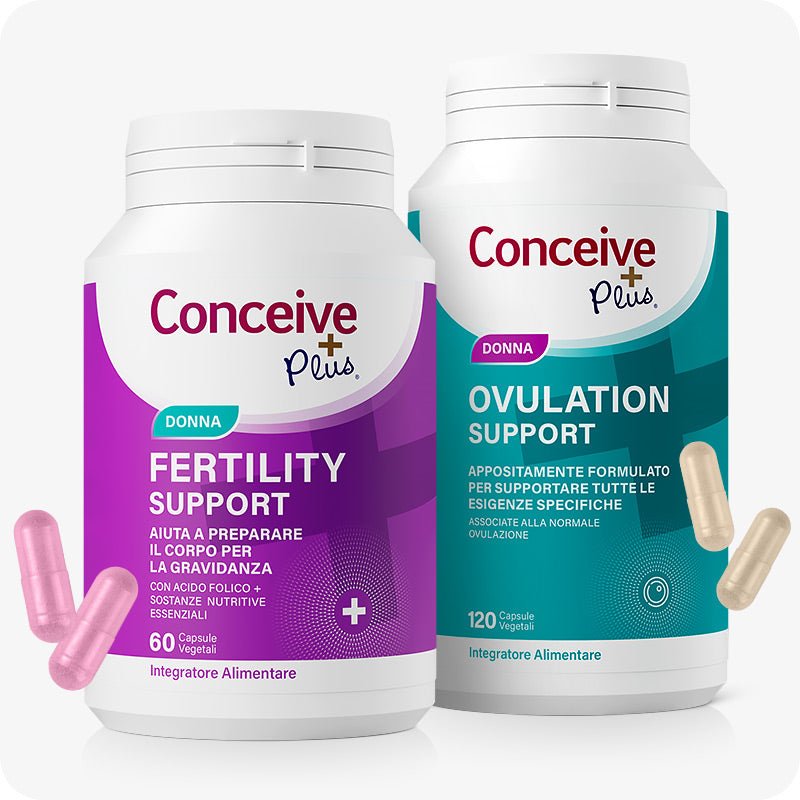
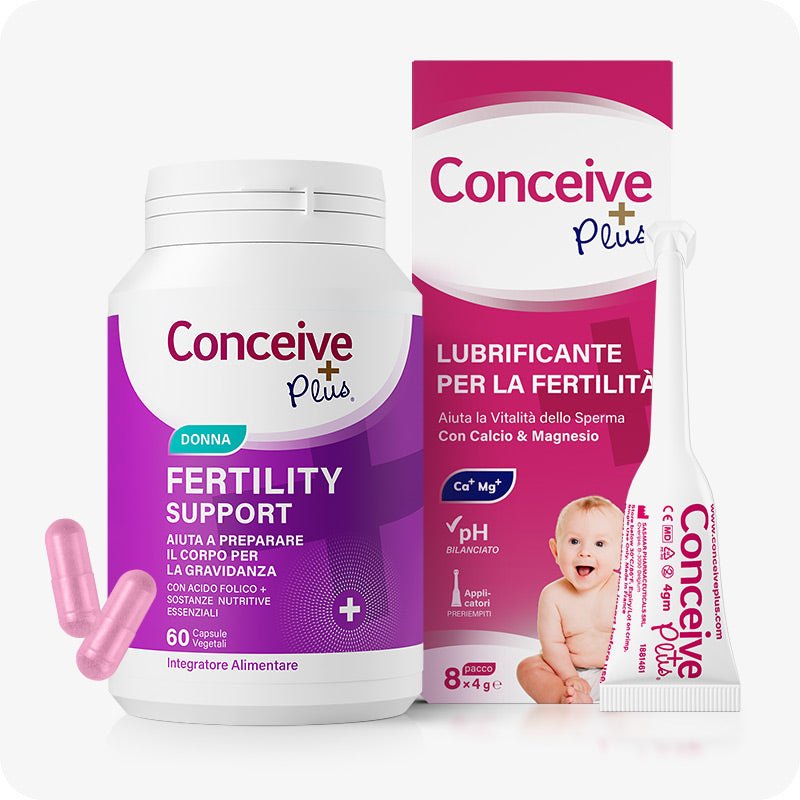
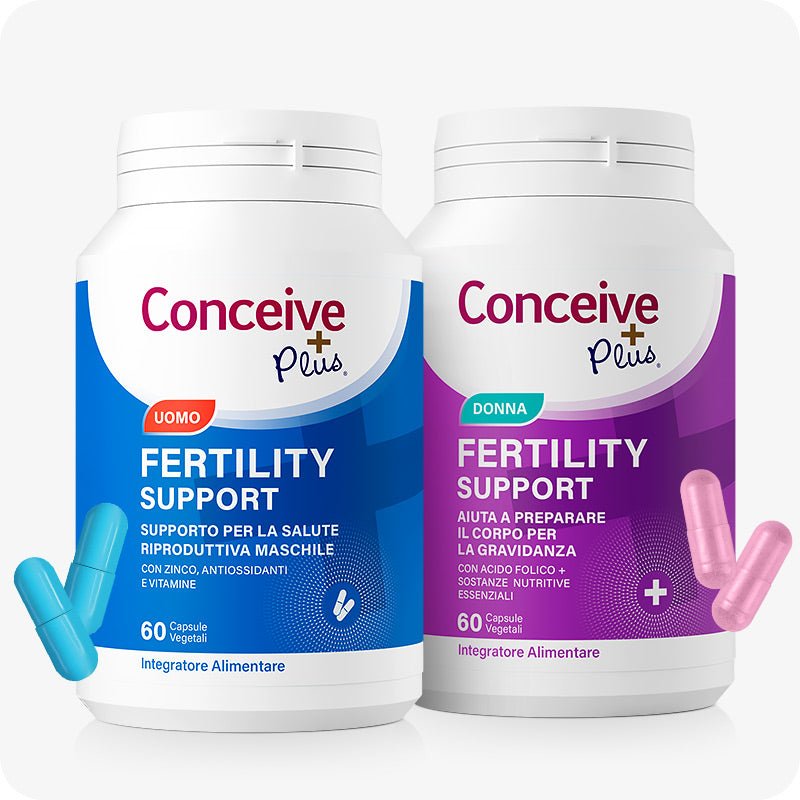
Folic acid remains the primary defense against neural tube defects. The CDC recommends all women capable of becoming pregnant take 400 mcg of folic acid daily as of May 20, 2025. If you have a history of pregnancies affected by neural tube defects, your doctor may increase this to 4,000 mcg starting one month before conception. Choosing fertility-specific bundles can simplify your supplement routine by combining these essential nutrients into one easy protocol. Your body also needs Vitamin D for bone health, Iron to support increased blood volume, and Omega-3s for fetal brain development.
Managing Pre-existing Conditions
If you manage PCOS or insulin resistance, focus on stabilizing your blood sugar levels now. High insulin can disrupt ovulation and increase the risk of gestational diabetes later. Similarly, your thyroid health is paramount; TSH levels for conception are often held to a tighter range than general health standards. Don't overlook your dental health. Research shows a clear link between gum disease and pregnancy complications like preterm birth, so a professional cleaning is essential. If you want to explore more ways to prepare your body, consider browsing high-quality fertility support products to complement your medical plan.
Lifestyle Optimization: Habits and Environmental Factors
Preparing for pregnancy requires a shift in focus from the numbers on a scale to your overall metabolic health. While many guides suggest reaching an "ideal weight," your body composition and insulin sensitivity are far more accurate indicators of fertility. High levels of body fat can lead to estrogen dominance, while very low body fat can signal the brain to pause ovulation entirely. Integrating metabolic health into your pre-conception checklist for women helps ensure your hormonal environment is stable before you begin trying to conceive.
The "Fertility Diet" is less about restriction and more about choosing foods that keep your blood sugar steady. Focus on whole foods, healthy fats like avocados and walnuts, and low-glycemic carbohydrates such as quinoa or sweet potatoes. High insulin levels can disrupt the delicate balance of androgens and estrogens, potentially delaying your LH surge. At the same time, you should begin tapering off substances that stress your reproductive system. This includes limiting caffeine to less than 200mg per day and eliminating nicotine and alcohol entirely. High cortisol from chronic stress can also delay ovulation, so finding a sustainable stress management routine is a biological necessity rather than a luxury.
Reducing Your Environmental Toxic Load
Modern homes are often filled with endocrine disruptors that can mimic or block your natural hormones. BPA, found in some plastics and receipt paper, and phthalates, common in synthetic fragrances and personal care products, are known to interfere with reproductive health. To create a fertility-friendly environment, swap plastic food containers for glass or stainless steel and choose fragrance-free household cleaners. These small changes reduce the chemical burden on your endocrine system. To support your transition to a cleaner lifestyle, you can find special offers on products designed to support your reproductive wellness journey.
Movement and Sleep for Hormonal Balance
Exercise follows a "Goldilocks" rule: you need the right amount to support circulation without overtaxing your body. High-intensity interval training every day can actually spike cortisol and disrupt your cycle, so aim for a mix of strength training, walking, and yoga. Sleep is the other half of this equation. Your body produces progesterone and regulates other vital hormones while you sleep. Aiming for 7 to 9 hours of quality rest helps maintain your circadian rhythms, which are directly linked to your reproductive cycle. Journaling or meditation before bed can help lower your heart rate and prepare your body for the deep recovery it needs during this pre-conception checklist for women phase.
Mastering Your Cycle: Tracking and Timing
While medical screenings and nutrition create the foundation, timing is the engine of conception. You need to identify your fertile window, which typically spans the five days leading up to ovulation plus the day of ovulation itself. This six-day period is critical because while an egg only lives for about 12 to 24 hours after release, sperm can survive inside the reproductive tract for up to five days. If you don't time intercourse to coincide with this window, even the most perfect health profile won't result in a pregnancy. Integrating biological tracking into your pre-conception checklist for women moves you beyond guesswork and into data-driven planning.
There are three primary methods for tracking your cycle at home. Basal Body Temperature (BBT) involves taking your temperature every morning before getting out of bed to detect the slight rise that follows ovulation. LH strips, or ovulation predictor kits, detect the surge of luteinizing hormone that triggers the release of an egg. Finally, monitoring cervical mucus provides a real-time look at your estrogen levels. If your cycles are irregular, these tools are even more important; they can help you identify if you are ovulating late or if your luteal phase is too short to support an embryo.
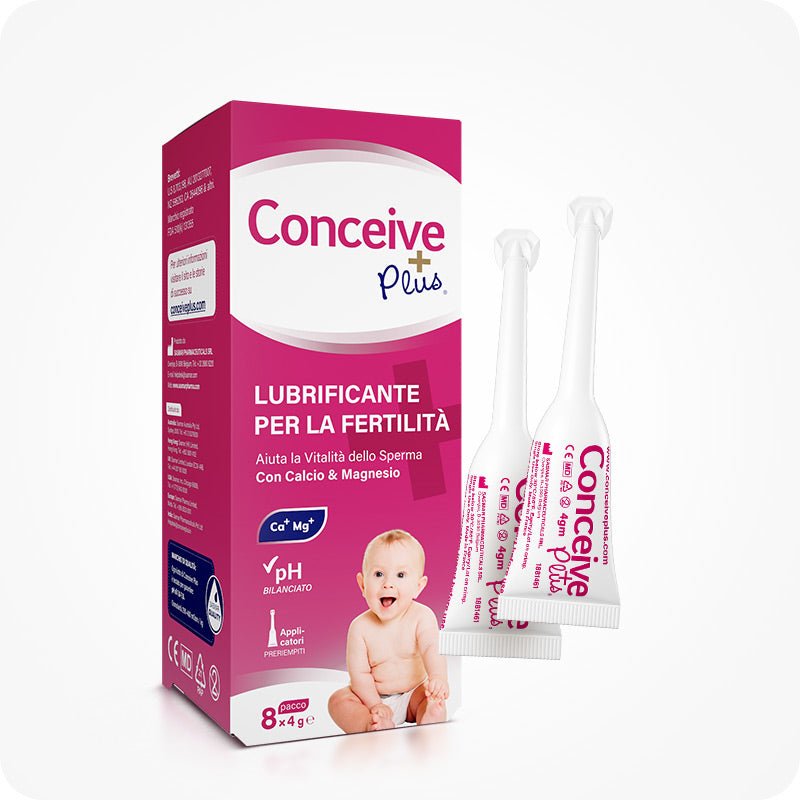
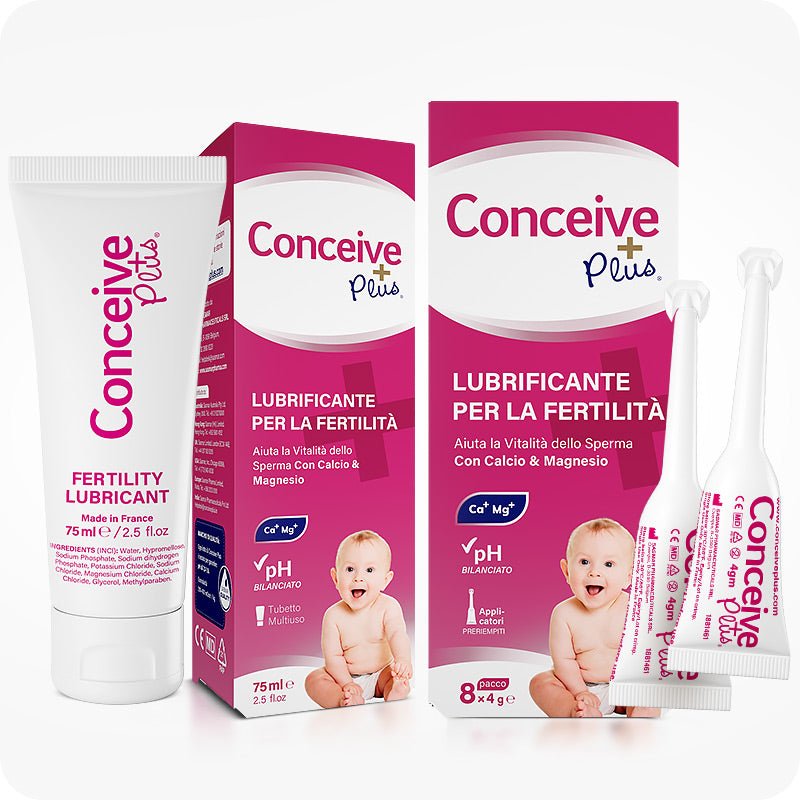
One optimization step many women overlook is the vaginal environment. The vagina is naturally acidic to protect against infection, but this acidity can be fatal to sperm. During your fertile window, your body should produce "egg white" cervical mucus that is more alkaline. Many standard lubricants have a low pH and contain ingredients that act as a barrier to sperm. Using a pH-balanced, fertility-friendly lubricant ensures that the environment remains hospitable for sperm motility and survival. To support your body's natural environment and increase your chances of success, explore the full range of fertility-friendly products from Conceive Plus.
How to Use an Ovulation Calculator
An ovulation calculator is a powerful tool for predicting your most fertile days based on your previous cycle lengths. To get the most accurate results, you should track at least three consecutive months of data. We encourage you to use the Conceive Plus Ovulation Calculator to identify your peak fertility dates. Unlike the "calendar method," which assumes every woman has a 28-day cycle, biological tracking allows you to adjust for your unique rhythm.
Understanding Cervical Mucus and pH
As you approach ovulation, rising estrogen levels change the consistency and pH of your cervical fluid. It becomes clear, stretchy, and slippery, resembling raw egg whites. This specific texture serves two purposes: it protects sperm from the naturally acidic vaginal environment and provides a physical "ladder" for sperm to swim through the cervix. A common mistake is using antihistamines or staying dehydrated, which can dry up this essential fluid and make it harder for sperm to reach the egg. This pre-conception checklist for women emphasizes that observing these shifts is just as important as any clinical test.
Your Final Countdown: A 3-Month Action Plan
Your journey toward conception is most effective when broken down into manageable phases. This 90-day pre-conception checklist for women provides a structured timeline to ensure no detail is overlooked before you begin trying. By organizing your preparation into monthly milestones, you can replace anxiety with a sense of control and readiness.
Month 3: The Foundation
The first phase of your biological reboot begins with the heavy lifting. Schedule your medical checkups and start your habit auditing immediately. This is the time to confirm your vaccinations are up to date and begin taking your 400 mcg folic acid supplement daily. Use this month to identify any prescription medications that need adjustment and to stop alcohol and nicotine consumption entirely. Establishing these basics early allows your body to stabilize before you enter the more sensitive phases of egg maturation.
Month 2: The Optimization
Shift your focus to refining your nutritional intake and environmental cleanup. Incorporate the healthy fats and low-glycemic carbohydrates discussed in previous sections to stabilize your insulin levels. This is also the ideal time to begin initial cycle tracking. By starting BBT or LH strip monitoring now, you'll have a clear baseline of your natural rhythm before your first active month. Removing endocrine disruptors from your home during this phase ensures your hormones can function without chemical interference.
Month 1: The Active Phase
Prioritize stress reduction and intimacy. With your body now primed from two months of nutritional and lifestyle shifts, focus on identifying your fertile window with precision. Keep your cortisol levels low through meditation or light movement to ensure your hormonal signals remain clear for ovulation. This month is about timing intercourse to match your biological peaks while maintaining a relaxed, positive emotional state.
Partner Pre-conception Health
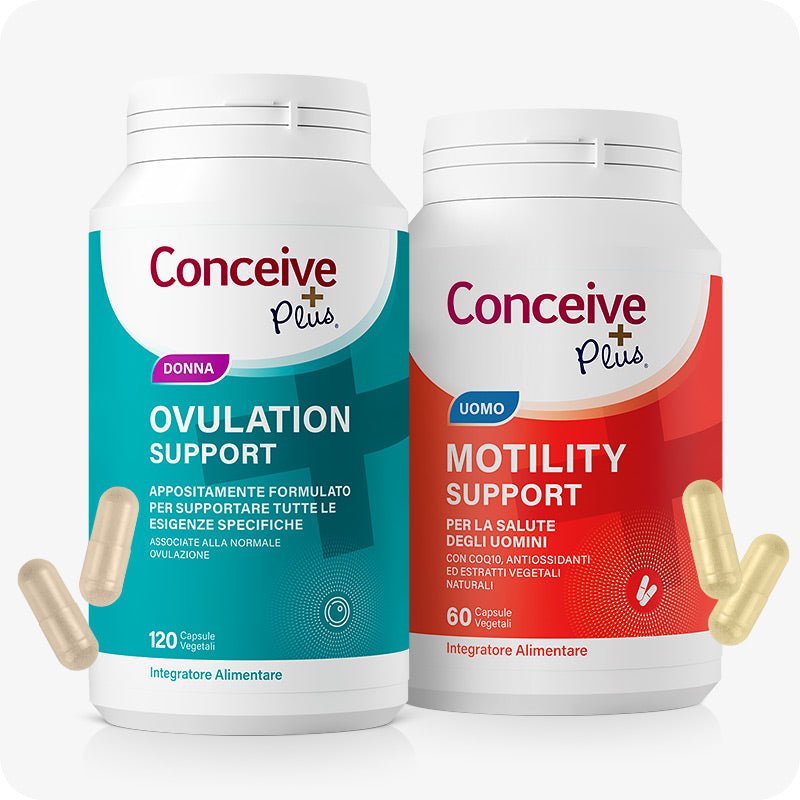
Men’s health contributes 50% of the genetic material for your future child, making his preparation just as vital as yours. Encourage your partner to optimize his sperm quality by increasing his intake of Zinc and Selenium through whole foods or targeted supplements. He should also avoid sources of excessive heat, such as hot tubs or placing laptops directly on his lap, which can impair sperm production. Following a shared pre-conception checklist for women and men together builds relationship resilience and ensures you are both physically ready for the journey ahead.
Financial and Emotional Readiness
Planning for a baby involves more than just physical health. Review your health insurance coverage to understand what prenatal care and delivery costs you might face. As of April 2026, 25 states and the District of Columbia have laws requiring some level of private insurance coverage for fertility services. Stay informed about the federal rule proposed on May 10, 2026, which may allow employers to offer fertility benefits as a separate, limited benefit starting in 2027. Open communication about parenting styles and expectations will ensure you and your partner are emotionally aligned before that first positive test.
If you're ready to start your 90-day plan with the right support, you can find special offers on comprehensive fertility kits to guide you through every step of this countdown.
Take Charge of Your Fertility Journey
You now possess a science-backed roadmap to navigate the critical 90-day window before conception. By focusing on the pre-conception checklist for women, you've learned how to optimize your metabolic health, clear environmental toxins from your home, and master the precise timing of your fertile window. These intentional shifts do more than just prepare you for pregnancy; they build a vital foundation for your future child's lifelong wellness.
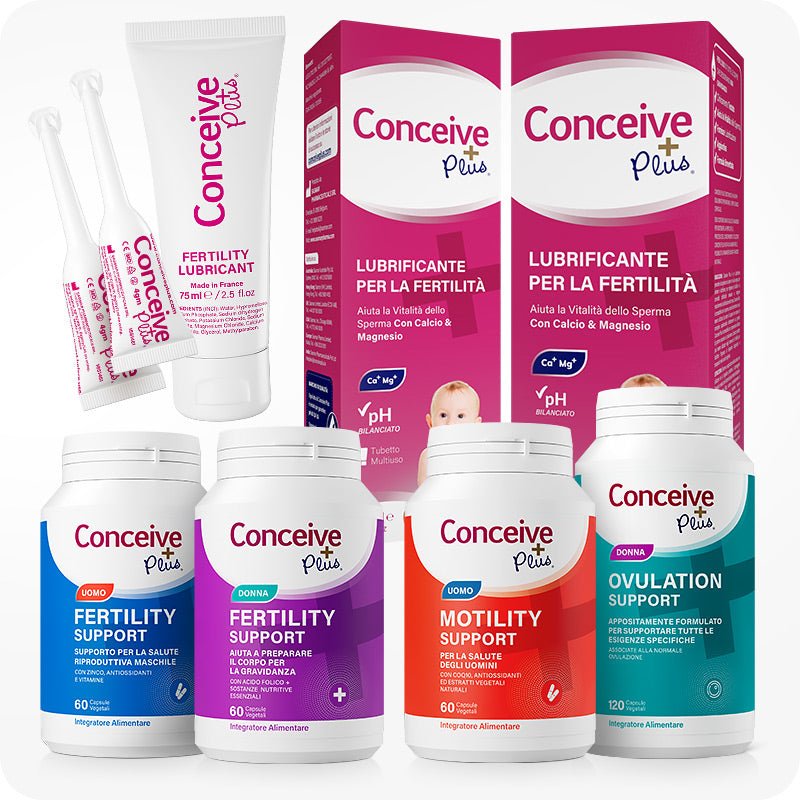
Taking the guesswork out of your preparation allows you to focus on what matters most. Our physiologically balanced products are doctor-recommended and trusted by millions of women in over 70 countries to support the conception journey. If you're ready to simplify your routine and provide your body with the high-quality nutrients it deserves, shop our complete range of fertility-support supplements and bundles today. You have the plan, the tools, and the knowledge to move forward with total confidence. Your journey to motherhood is just beginning, and you're already off to an incredible start.
Frequently Asked Questions
How far in advance should I start a pre-conception checklist?
You should ideally start your preparation three to six months before you begin actively trying to conceive. This timeline allows for the full 90-day egg maturation cycle to benefit from your nutritional and lifestyle changes. Starting a pre-conception checklist for women early also provides a necessary buffer to adjust medications, clear certain vaccinations, and stabilize your hormonal health before your first active cycle.
Can I still drink coffee while trying to conceive?
You can still enjoy coffee, but it's best to limit your intake to 200 milligrams of caffeine per day. This amount is roughly equivalent to one 12-ounce cup of brewed coffee. High caffeine consumption has been linked to longer times to conceive and an increased risk of early pregnancy loss. If you're a heavy coffee drinker, try tapering down slowly to avoid withdrawal symptoms like headaches.
Do I really need a pre-conception checkup if I feel healthy?
Yes, a checkup is essential because many factors that impact pregnancy are not visible or felt. Your provider will screen for hidden issues like iron deficiency, thyroid imbalances, or asymptomatic infections that could affect fetal development. These visits also allow your doctor to review your genetic history and confirm your immunity to diseases like Rubella, which requires vaccination well before you become pregnant.
What is the most important vitamin to take before getting pregnant?
Folic acid is the most critical nutrient for preventing neural tube defects during the first few weeks of development. The CDC recommends a daily dose of 400 mcg for most women, starting at least one month before conception. Because the neural tube closes very early in pregnancy, having this vitamin already in your system is a vital component of any pre-conception checklist for women.
How does my partner’s health affect our pre-conception checklist?
Your partner's health is significant because he contributes exactly half of the genetic material for your future child. Factors like smoking, poor diet, and excessive heat exposure can lead to DNA fragmentation in sperm, which affects both conception rates and overall pregnancy health. Encouraging him to optimize his nutrition and lifestyle ensures that both the egg and sperm are at their highest quality when you begin.
What should I do if my cycles are irregular during the tracking phase?
You should consult your healthcare provider if your cycles are consistently irregular to rule out conditions like PCOS or thyroid dysfunction. Irregularity makes it difficult to accurately predict your fertile window and may indicate that ovulation isn't occurring every month. Bringing two or three months of tracking data to your appointment can help your doctor diagnose the cause and suggest a plan to regulate your cycle.
Is it safe to exercise while following a pre-conception plan?
Moderate exercise is highly beneficial for maintaining insulin sensitivity and reducing stress during the pre-conception phase. You should focus on sustainable activities like brisk walking, swimming, or strength training rather than starting a new, extreme high-intensity program. While staying active is important, over-exercising can sometimes disrupt your hormonal balance and lead to an irregular cycle, so aim for a routine that feels energizing rather than depleting.
When should I see a fertility specialist if I’m not pregnant yet?
You should generally seek a specialist after one year of regular, unprotected intercourse if you are under the age of 35. If you are 35 or older, it's recommended to seek a consultation after six months of trying without success. However, if you have known medical issues like endometriosis or highly irregular cycles, you don't need to wait for these timelines to seek professional guidance and testing.
Trusted by Couples in Over 70 Countries
Support Male Fertility From the Inside Out
Male fertility is just as important as female fertility in the conception journey. Conceive Plus Men's range delivers targeted nutritional support to promote healthy sperm and overall reproductive wellbeing.
Shop Men's Range →