Best Supplements to Improve Egg Quality: A Science-Backed Roundup for 2026


Your egg quality isn't a fixed expiration date, but a dynamic 90-day biological process that you can actually influence. While many people fear they're simply "aging out" of fertility, the truth is that oocytes require massive amounts of energy to divide properly. By using targeted supplements to improve egg quality, you provide the mitochondrial support necessary to reduce chromosomal errors before ovulation even occurs. It's about shifting the focus from the quantity of eggs you have left to the health of the ones you're currently maturing.
It's easy to feel overwhelmed by conflicting online advice or the $85.4 billion supplement market's endless options. You deserve a clear path forward that doesn't rely on guesswork. This article provides a science-backed roundup of the most effective nutrients for 2026, including the latest 40:1 Myo-Inositol ratios and CoQ10 benchmarks. We'll outline a 90-day strategy to boost your fertility naturally, explain the impact of the 2026 Dietary Supplement Regulatory Uniformity Act, and give you the confidence to choose brands that prioritize purity over profit.
Key Takeaways
- Understand why the 90-day window before ovulation is the critical period for intervention and how timing dictates your final results.
- Identify the specific supplements to improve egg quality that fuel mitochondrial function and restore cellular energy in maturing oocytes.
- Compare the benefits of DIY nutrient stacking versus professional fertility bundles to determine the most effective and cost-efficient strategy for your needs.
- Learn how to synchronize your supplement intake with dietary habits and sleep cycles to maximize nutrient absorption and hormonal health.
- Build a personalized 90-day roadmap that guides you from initial egg-quality support through the transition to standard prenatal care.
The 90-Day Window: Why Timing Your Supplements Matters
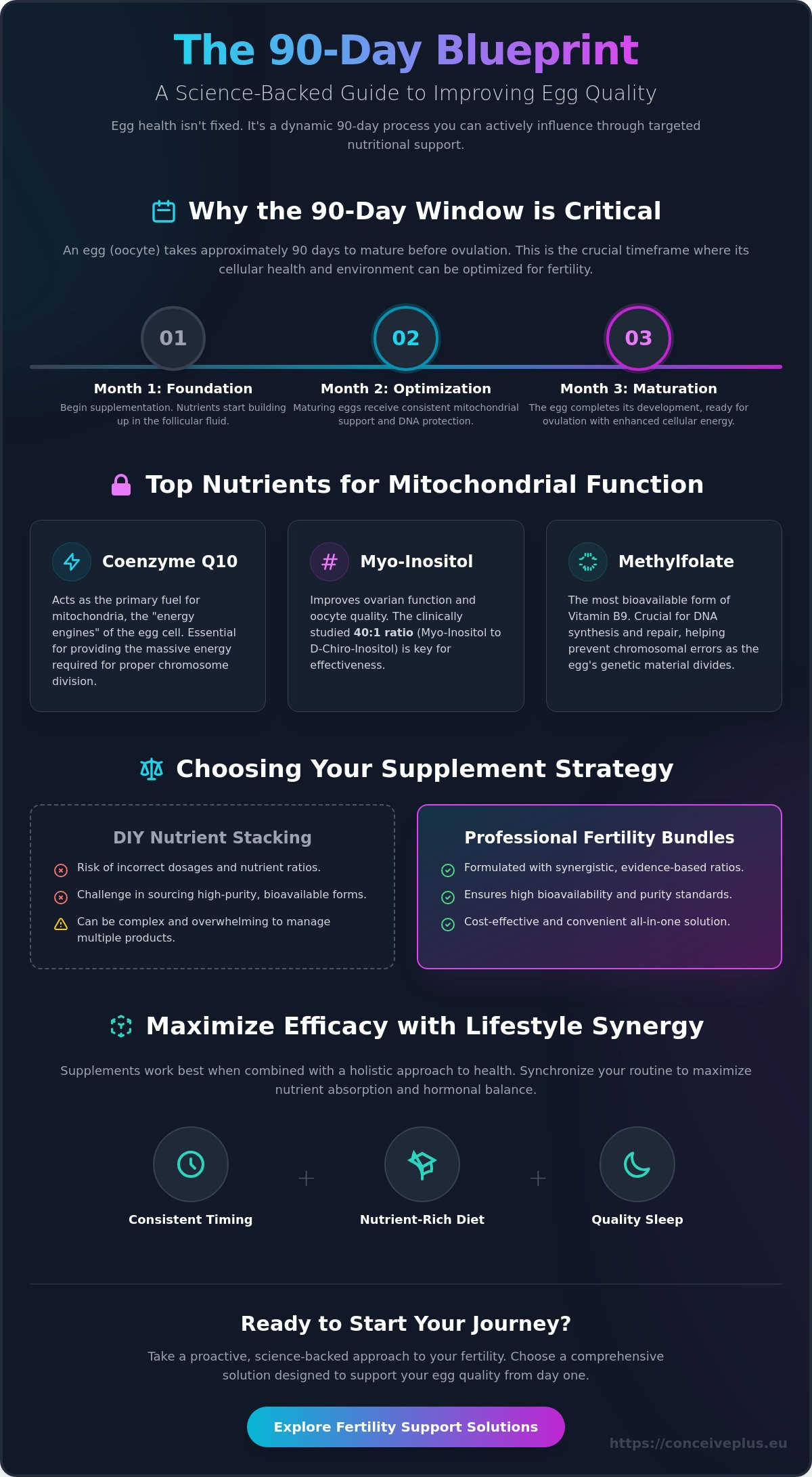
Many fertility journeys start with a sense of urgency. You might feel tempted to grab the first bottle of vitamins you see and expect results by your next cycle. However, biology doesn't work on a 30-day timeline. The process of maturing a human egg cell (oocyte) takes approximately 90 days from the moment it "wakes up" to the moment of ovulation. During this three-month window, the egg is highly sensitive to its environment, making it the perfect time to introduce supplements to improve egg quality.
Consistency is your strongest ally here. Nutrients don't just "fix" an egg overnight. Instead, they work by optimizing the follicular fluid and supporting the massive energy demands of the maturing cell. If you miss days or start too late, you're essentially trying to fuel a marathon while you're already at the starting line. Optimal blood flow and nutrient delivery during the follicular phase are essential for ensuring these compounds actually reach their target.
To better understand how this biological timeline works, watch this helpful video:
The Biology of Oocyte Maturation
Your eggs don't just appear during your cycle. They've been dormant in your ovaries since before you were born. Every month, a group of these cells begins a 90-day journey of maturation. This is when the egg undergoes intense DNA repair and ramps up its mitochondrial activity to prepare for fertilization. The 90-day window represents the "golden hour" for fertility intervention, as it is the only time you can actively influence the cellular health of the egg before it is released. Proper blood flow during this phase ensures that your nutrients actually reach the developing follicles.
Setting Realistic Expectations for 2026
It's common to feel anxious when you don't see immediate changes. You won't notice a difference in the first month because those eggs were already halfway through their maturation cycle before you started your new regimen. In the 2026 fertility landscape, we have more data than ever on how cumulative micronutrients reshape the follicular environment. You can use an ovulation calculator to track your cycles and stay focused on the long-term goal. Remember that supplements to improve egg quality are building a foundation for future cycles, not just the one happening right now. Patience during these 90 days is what separates a reactive approach from a proactive, science-backed strategy.
Top Nutrients to Improve Egg Quality and Mitochondrial Function
Standard prenatal vitamins focus primarily on preventing birth defects like neural tube issues, but they often lack the concentrated doses required to optimize the internal environment of the ovary. To truly support the maturation process, you must target the mitochondria. These are the "engines" of the American Pregnancy Association's recommended nutrients for cellular health. Because an egg requires more energy than almost any other cell in the body, mitochondrial failure is a leading cause of age-related infertility. Using specific supplements to improve egg quality helps ensure these engines have the fuel they need to divide chromosomes accurately.
Formulation matters just as much as the ingredient itself. For instance, the form of Vitamin B9 you choose is critical. While many products use folic acid, specialized fertility support often utilizes folate or methylfolate. This form is more bioavailable for DNA synthesis, ensuring that the genetic material within the egg is replicated without errors. Choosing high-quality fertility support ensures you're getting the right forms of these nutrients without the risks associated with unregistered or low-grade products. In fact, the FDA issued public health warnings in 2025 and 2026 against several unregistered CoQ10 and Myo-Inositol products, making brand transparency more vital than ever.
The Powerhouse Nutrients: CoQ10 and Myo-Inositol
Coenzyme Q10 (CoQ10) is the primary nutrient for boosting cellular energy. Clinical evidence suggests it's particularly effective for women over 35, as it helps the egg maintain the energy levels needed for the complex process of meiosis. Myo-Inositol complements this by balancing hormones and improving insulin sensitivity within the follicular fluid. A 2025 meta-analysis of 11 studies confirmed that a 40:1 ratio of Myo-Inositol to D-Chiro-Inositol significantly improves the rate of mature oocytes and fertilization rates during IVF cycles. When taken together, these two nutrients create a synergistic effect that supports both the energy and the hormonal environment the egg needs to thrive.
Essential Antioxidants for DNA Protection
Oxidative stress is the primary enemy of oocyte health. It can damage the fragile genetic material inside the egg, leading to poor embryo development. Vitamin E and Melatonin work together to neutralize free radicals within the ovaries. Melatonin, specifically, isn't just for sleep; it's a potent antioxidant found in high concentrations in healthy follicular fluid. Glutathione, often called the "master antioxidant," provides a final layer of defense. It protects the ovaries from environmental toxins and the natural effects of aging, ensuring that the 90-day maturation window remains as pristine as possible for the developing egg.
Comparing Supplement Regimens: Single Nutrients vs. Comprehensive Bundles
Deciding how to source your supplements to improve egg quality often comes down to a choice between the "DIY" approach and professional bundles. Buying individual bottles for each nutrient might seem like it offers more control, but it frequently leads to pill fatigue and inconsistent dosing. As the US dietary supplement market reached $85.4 billion in 2026, a 9.21% increase over 2025, the influx of new products has made it harder to distinguish between effective tools and marketing fluff. Individual supplements often contain varying levels of fillers like titanium dioxide or artificial colors that you'll want to avoid in your fertility journey.
Bioavailability is the real metric of success. It doesn't matter how high the dosage is if the nutrient source isn't absorbable. For example, the American Pregnancy Association on fertility supplements emphasizes that antioxidants must be present in specific forms to effectively combat oxidative stress. When you choose a bundle, the ratios are already calibrated for synergy, ensuring that one nutrient doesn't block the absorption of another. With the introduction of the Dietary Supplement Regulatory Uniformity Act in February 2026, there's a greater push for ingredient transparency, making it easier to spot which brands prioritize high-quality sources over cheap fillers.
The Roundup: Best Supplement Types for Different Needs
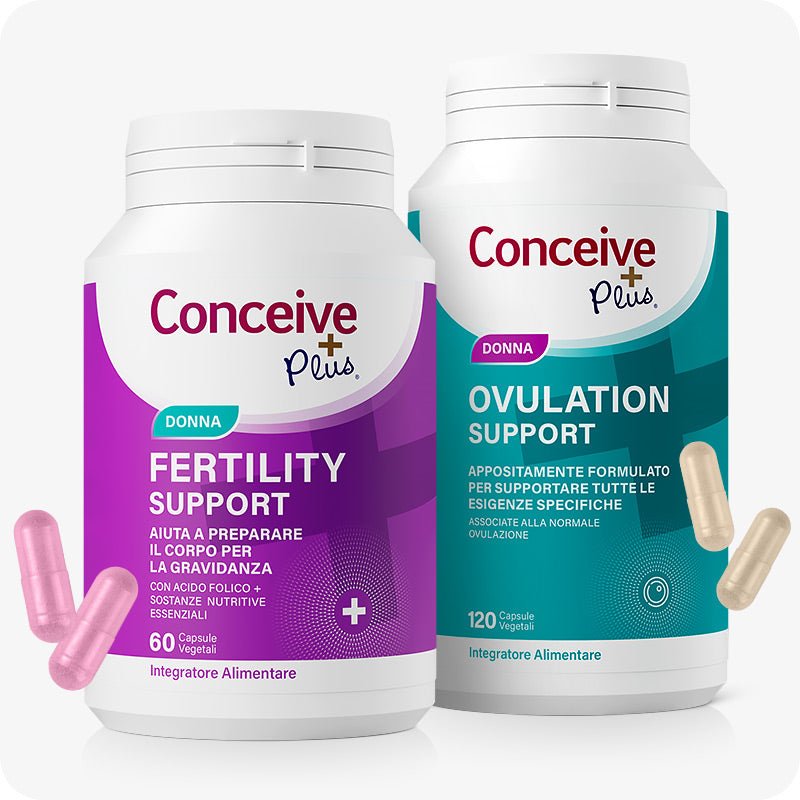
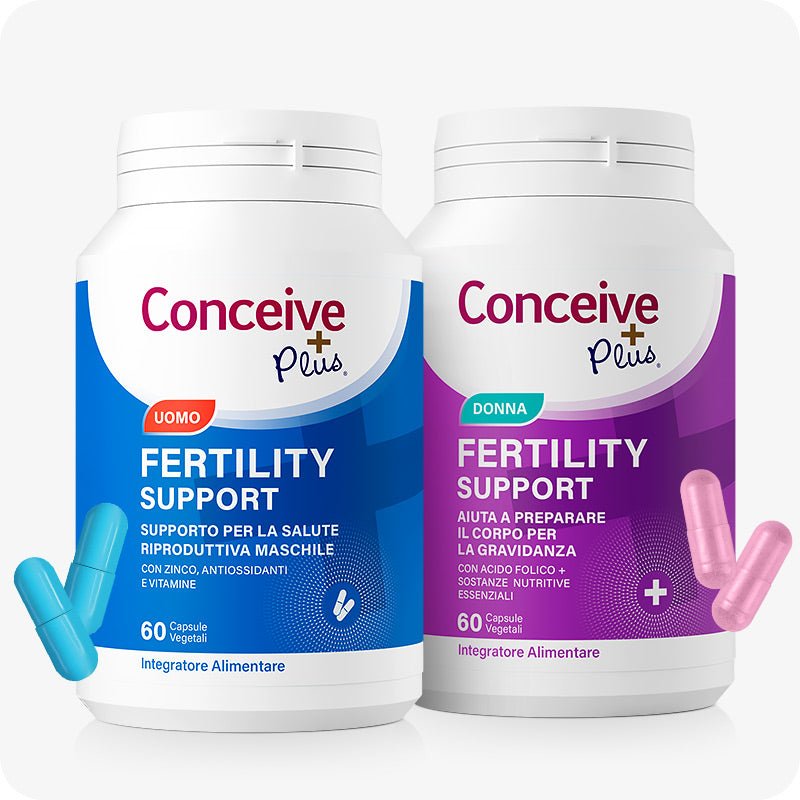
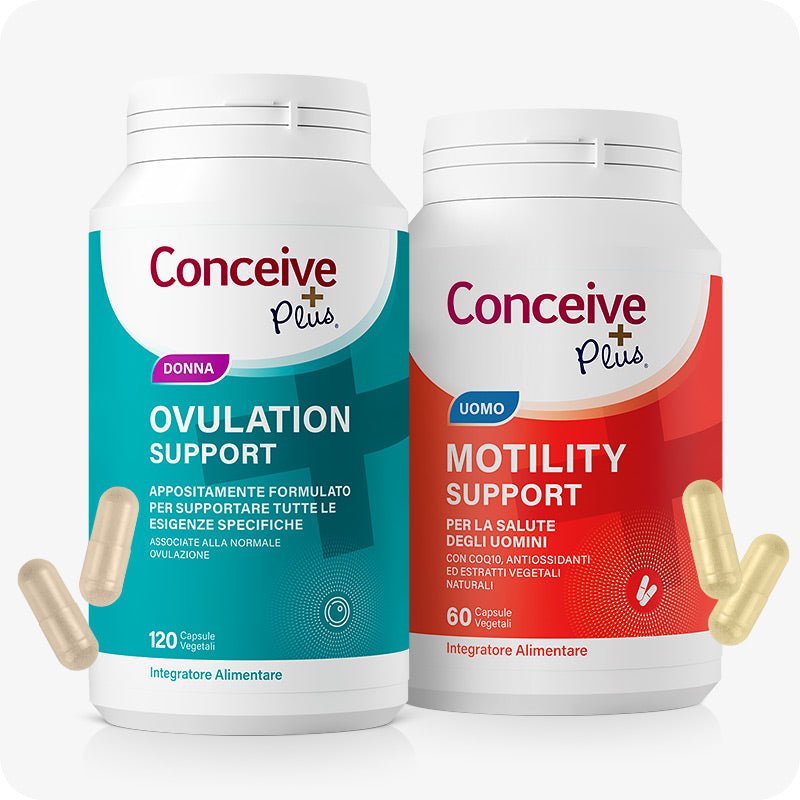
Different fertility goals require different nutritional priorities. If you're managing PCOS, look for Inositol-heavy formulas that prioritize the 40:1 ratio to support insulin sensitivity. For those navigating advanced maternal age, the focus should shift toward heavy mitochondrial support with high-grade CoQ10 to aid chromosome division. Brands like Conceive Plus Europe offer specialized bundles that categorize these needs, providing a comprehensive prenatal with added fertility boosters for those who want a complete, all-in-one solution for their oocyte health.
Why Fertility Bundles are the Efficient Choice
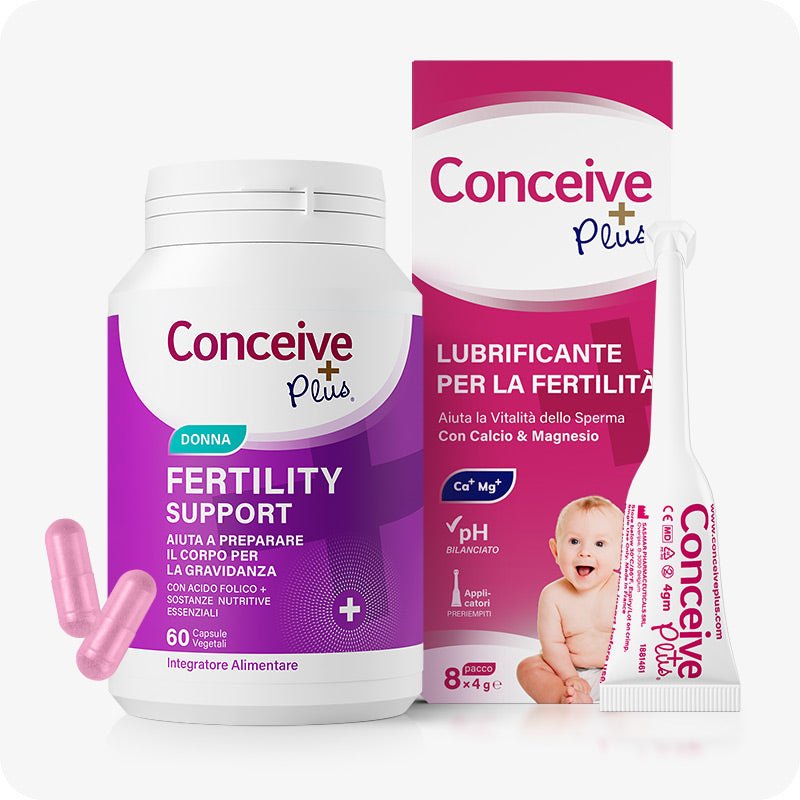
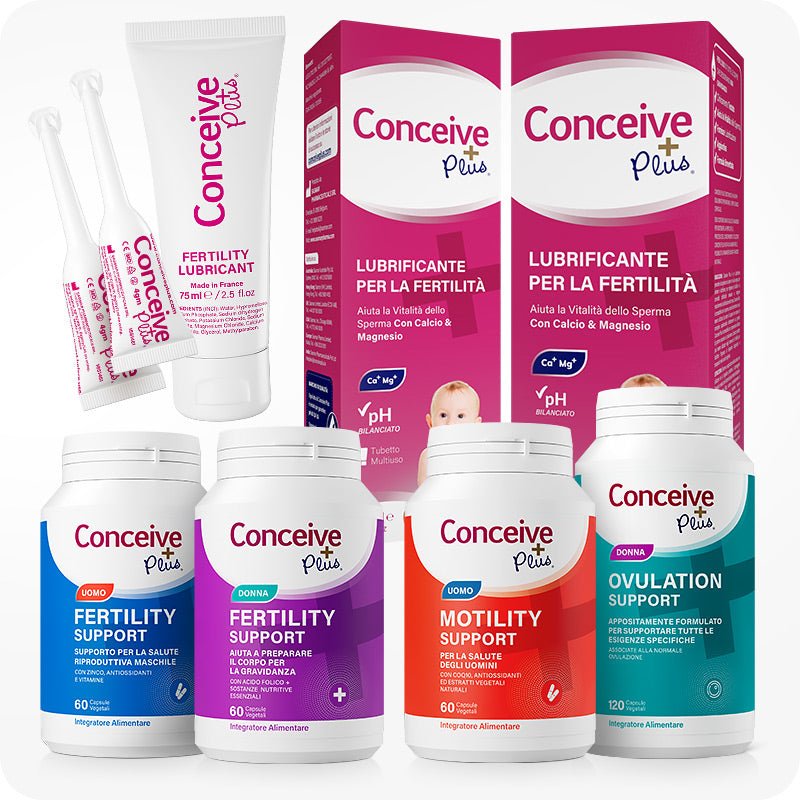
Managing six or seven different bottles every morning is exhausting. Bundles solve this by consolidating essential nutrients into fewer capsules, which significantly improves daily compliance. Because the 90-day maturation window is so sensitive to consistency, missing doses can derail your progress. You can explore fertility product bundles to find a streamlined 90-day plan that removes the guesswork from your morning routine. These systems ensure you're getting the correct ratios of synergistic nutrients without the stress of managing a complex DIY stack.
Maximizing Efficacy: Lifestyle Synergy for Egg Health
Supplements are powerful tools, but they don't work in a vacuum. To get the highest return on your investment in supplements to improve egg quality, your lifestyle must support nutrient transport and cellular absorption. Many of the most effective fertility nutrients, such as CoQ10 and Vitamin E, are fat-soluble. This means if you take them on an empty stomach or with a low-fat meal, your body won't absorb them efficiently. Aligning your intake with a "fertility diet" rich in avocados, nuts, and olive oil ensures these compounds actually reach the developing follicles instead of simply passing through your system.
Stress management is another non-negotiable factor for supplemental success. When you're under chronic stress, your body prioritizes cortisol production over reproductive hormones. This hormonal "theft" can interfere with the delicate signals required for oocyte maturation, potentially blunting the benefits of your 90-day regimen. Keeping your nervous system regulated helps maintain the balance of the hypothalamic-pituitary-ovarian (HPO) axis, creating a stable environment where your nutrients can do their best work.
Optimizing Nutrient Absorption
Taking your daily capsules alongside omega-3 fatty acids is a simple but transformative habit for bioavailability. Hydration is also a critical, often overlooked factor; water is the primary medium for transporting nutrients to your ovaries and maintaining the volume of the follicular fluid. Moderate exercise improves ovarian blood flow for better nutrient delivery, which helps the antioxidants in your system reach the fragile genetic material within the egg. Don't overdo it, though, as extreme physical strain can have the opposite effect on your cycle.
Environmental Factors to Monitor
In 2026, we have a much clearer understanding of how environmental toxins like BPA and phthalates act as endocrine disruptors. These chemicals can seep into the follicular fluid and interfere with egg development, making it vital to switch to "fertility-safe" glass containers and paraben-free personal care products. The 2026 perspective on blue light exposure also highlights its impact on melatonin, which is a key antioxidant for egg health. Reducing screen time or using red-light filters after sunset protects your natural melatonin production. Supporting your liver with leafy greens and cruciferous vegetables further helps your body process environmental toxins and excess hormones effectively.
Ready to start your journey with a science-backed approach? Explore the full range of fertility support products here.
Taking the Next Step: Your Personalized Fertility Plan
Starting your journey shouldn't feel like a shot in the dark. Now that you understand the biological timeline and the specific nutrients required for mitochondrial support, it's time to build your roadmap. You don't need to wait for a specific date to begin. The best time to start taking supplements to improve egg quality was three months ago, but the second best time is today. By beginning your regimen now, you're investing in the health of the oocytes that will be released twelve weeks from now. This proactive approach replaces anxiety with a concrete, biological strategy.
Tracking your progress is essential for staying motivated during this three-month commitment. You can use an ovulation calculator to monitor your cycle lengths and identify your fertile window while your body adjusts to the new nutritional support. Consistency remains the primary driver of success. Once you achieve a positive pregnancy test, you'll naturally transition from specialized egg-quality boosters to standard prenatal care. This shift ensures a seamless move from supporting the oocyte's energy to supporting the developing embryo's growth.
Choosing Your Regimen
Your fertility goals are unique, so your supplement choices should be too. Whether you're focusing on balancing hormones for PCOS or overcoming the challenges of advanced maternal age, selecting pharmaceutical-grade products is a non-negotiable step. In a 2026 market flooded with unregistered options, look for brands that prioritize transparency and clinical scrutiny. To make this 90-day commitment more accessible, you can check out special offers for long-term supply savings. Securing your full maturation cycle's worth of nutrients at once prevents any gaps in your regimen that could derail your progress.
The Conceive Plus Europe Difference
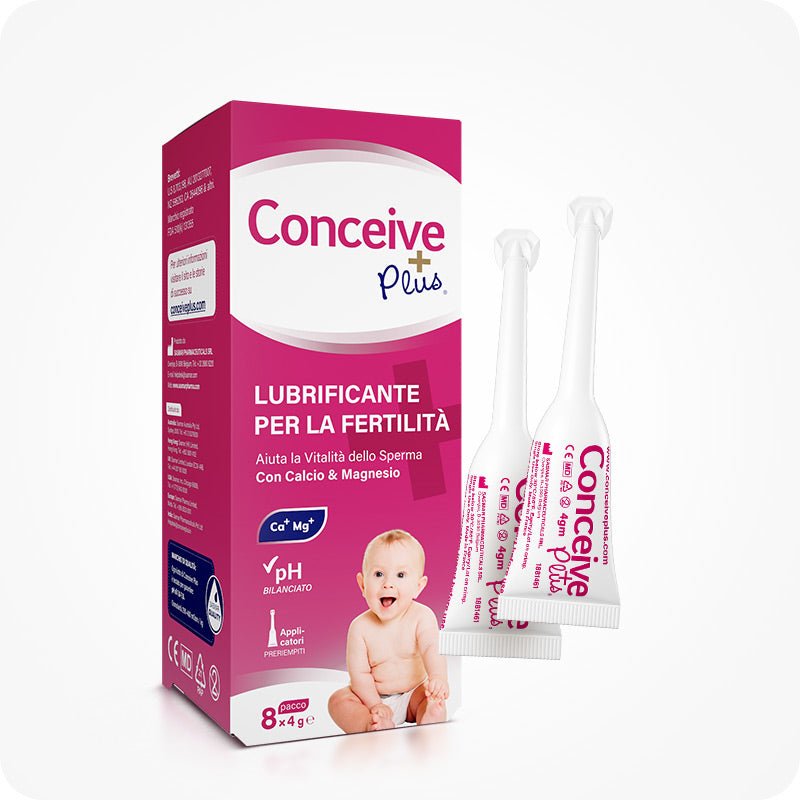
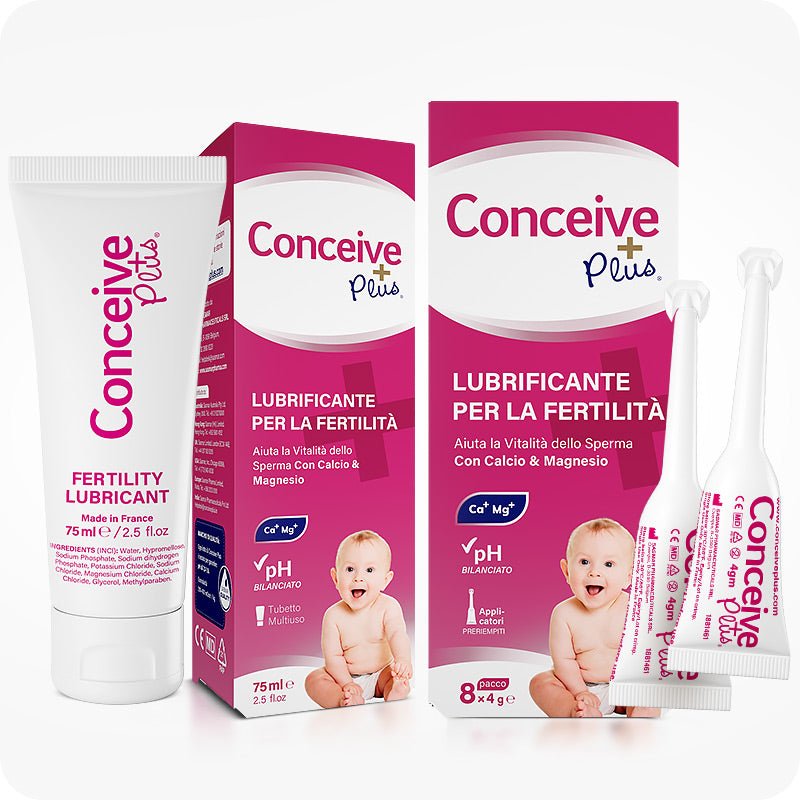
Conceive Plus Europe is the trusted choice for millions of women because our formulas aren't just generic multivitamins. They're specifically designed by fertility experts to address the intricate biological needs of conception. While many brands focus solely on basic vitamins, we include essential ions like Magnesium and Calcium. These minerals are vital for the sperm-egg binding process; they ensure that once you've optimized the egg's health, the chances of successful fertilization are significantly higher. We've built our reputation on providing the high-quality support you need to feel confident in your body's potential. You have the science and the strategy. Now, you have the tools to start your journey today.
Start Your 90-Day Transformation
You now have the science-backed tools to navigate your fertility journey with confidence. Remember that egg health isn't static; it's a dynamic process that thrives on consistent mitochondrial support and a balanced internal environment. By choosing the right supplements to improve egg quality and aligning them with your unique biological timeline, you're taking active control of your reproductive future. The 90-day window is your opportunity to provide the energy and protection your oocytes need before ovulation occurs.
Since 2008, Conceive Plus Europe has helped millions of women across 70+ countries achieve their dreams of parenthood. Our doctor-recommended formulas provide the specialized support your body requires during the critical maturation phase. Don't leave your results to chance or unverified brands that lack clinical scrutiny. You can shop the full range of Conceive Plus Europe fertility supplements today to find the targeted bundle that fits your specific needs. You've done the hard work of researching the science. Now, it's time to take that first step toward the family you've always wanted with a partner you can trust.
Frequently Asked Questions
How long does it take to improve egg quality with supplements?
It takes approximately 90 days to see the full impact of supplements to improve egg quality. This timeframe matches the duration of the oocyte maturation cycle from dormancy to ovulation. While some cellular benefits begin earlier, the eggs released in your next cycle started their maturation months ago. Consistency over this three-month window is vital to ensure the follicular environment is fully optimized for the final stages of development.
Can I take egg quality supplements while undergoing IVF?
You can typically take these supplements during IVF, but you must coordinate with your reproductive endocrinologist. Many clinics recommend stopping specific antioxidants like melatonin or DHEA once you begin stimulation medications to avoid interactions. However, nutrients like Myo-Inositol and CoQ10 are often encouraged during the lead-up to retrieval. Always provide your clinic with a full list of your current regimen to ensure it aligns with your specific protocol.
Is it possible to improve egg quality after age 40?
Improving egg quality after age 40 is possible by focusing on the energy production of the oocyte. While you cannot increase the total number of eggs you have left, you can support the mitochondria's ability to divide chromosomes correctly. High-grade CoQ10 and antioxidants help reduce the oxidative stress that often accumulates with age. This targeted support aims to maximize the health of your remaining eggs, giving each one a better chance at successful fertilization.
What is the most important vitamin for egg quality?
No single vitamin works in isolation, but Folate and CoQ10 are considered the most critical for egg health. Folate is essential for DNA synthesis and preventing chromosomal errors during cell division. CoQ10 provides the cellular energy necessary for the egg to mature and survive the fertilization process. Combining these with a broad spectrum of antioxidants creates the most effective environment for developing oocytes rather than relying on a single nutrient alone.
Should I take Myo-Inositol if I do not have PCOS?
Myo-Inositol is beneficial even for women without PCOS because it supports overall oocyte maturity and insulin sensitivity within the ovaries. Research from 2025 indicates that it improves the quality of the follicular fluid, which is the environment where the egg develops. This makes it a versatile tool for anyone looking for supplements to improve egg quality, as it helps regulate the local hormonal balance required for healthy ovulation and egg maturation.
Are there any side effects to taking fertility supplements?
Most fertility supplements are well-tolerated, though some individuals experience mild nausea or digestive changes when starting a new regimen. Taking your capsules with a meal often resolves these issues. Specific nutrients like DHEA can occasionally cause oily skin or minor mood shifts because they influence hormone levels. If you experience persistent discomfort, it's best to speak with your healthcare provider to adjust your dosage or the timing of your intake.
Can I take these supplements along with my regular prenatal vitamin?
You can take these along with a prenatal, but you should compare the labels to ensure you aren't doubling up on specific nutrients like Vitamin D or Folate. Many high-quality fertility bundles are designed to replace your standard prenatal by including those essential vitamins alongside egg-quality boosters. If you choose to keep both, make sure the total amounts stay within safe upper limits. This prevents nutrient competition and ensures your body processes everything efficiently.
What happens if I miss a day of my supplement routine?
Missing a single day won't ruin your progress, so simply resume your normal schedule as soon as you remember. You don't need to double your dose the next day to make up for it. While consistency is the primary driver of success during the 90-day window, your body maintains a baseline level of these nutrients. Just refocus on your daily habit to ensure the developing oocytes have a steady supply of support for the remainder of their maturation.
Trusted by Couples in Over 70 Countries
Support Male Fertility From the Inside Out
Male fertility is just as important as female fertility in the conception journey. Conceive Plus Men's range delivers targeted nutritional support to promote healthy sperm and overall reproductive wellbeing.
Shop Men's Range →