Fertility Diet: The Best Foods to Eat When Trying to Conceive


Fertility Diet: The Best Foods to Eat When Trying to Conceive
What you eat has a profound impact on your fertility. From egg quality and sperm health to hormonal balance and implantation success, the nutritional environment you create through your diet shapes your reproductive potential in ways science is only beginning to fully understand. The good news is that even modest dietary improvements — maintained consistently over 2–3 months — can meaningfully improve fertility outcomes.
This evidence-based guide covers the fertility diet in depth: the best foods to include, the worst to avoid, and practical strategies for optimising your diet when trying to conceive.
Why Diet Matters for Fertility
Egg cells (oocytes) take approximately 90 days to mature before ovulation. Sperm takes approximately 74 days to develop from stem cells to mature sperm. This means that the food you eat today is influencing the eggs and sperm that will determine your fertility in 2–3 months' time.
Nutrition affects fertility through several key mechanisms:
- Hormonal production and regulation: Many hormones (oestrogen, progesterone, testosterone, FSH, LH) are synthesised from dietary building blocks — particularly healthy fats and cholesterol.
- Oxidative stress: Free radical damage to eggs and sperm DNA is a major cause of poor egg quality, sperm DNA fragmentation, and failed fertilisation. Antioxidant-rich diets reduce this damage.
- Inflammation: Chronic low-grade inflammation impairs reproductive function, disrupts implantation, and is associated with endometriosis and PCOS. Anti-inflammatory diets directly counter this.
- Insulin sensitivity: Poor blood sugar control and insulin resistance disrupt ovulation (especially in PCOS) and affect sperm production.
- Mitochondrial function: Eggs have the highest mitochondrial density of any human cell. The energy (ATP) produced by healthy mitochondria powers egg maturation, fertilisation, and early embryo development.
The Fertility Diet: Core Principles
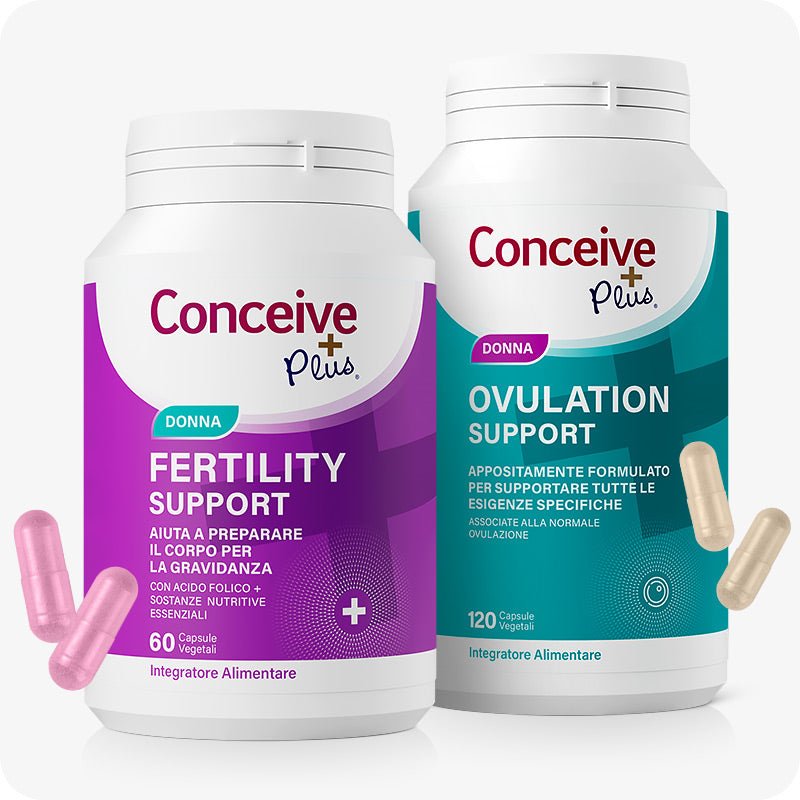
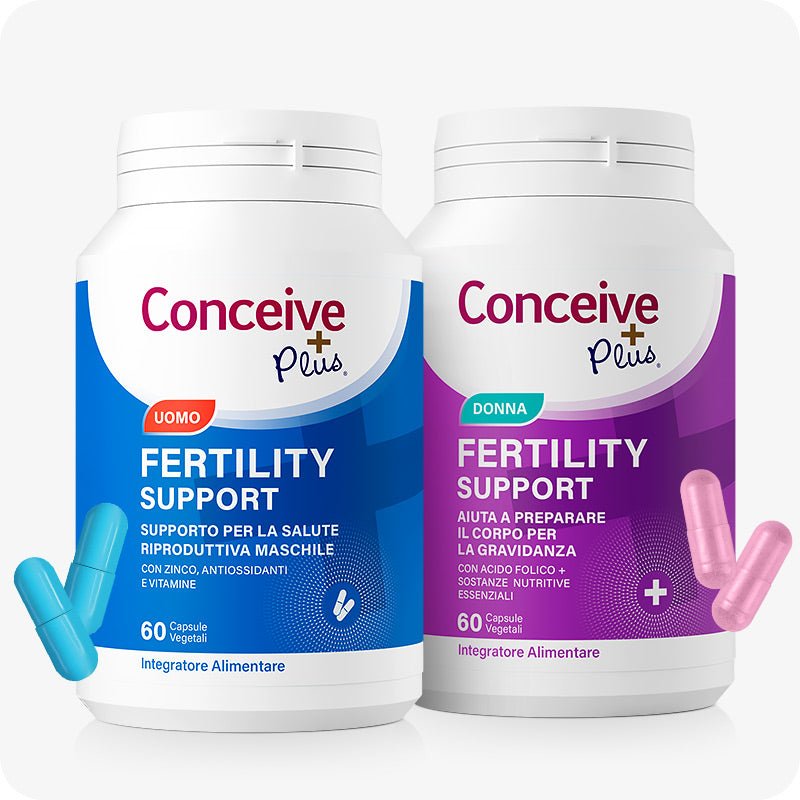
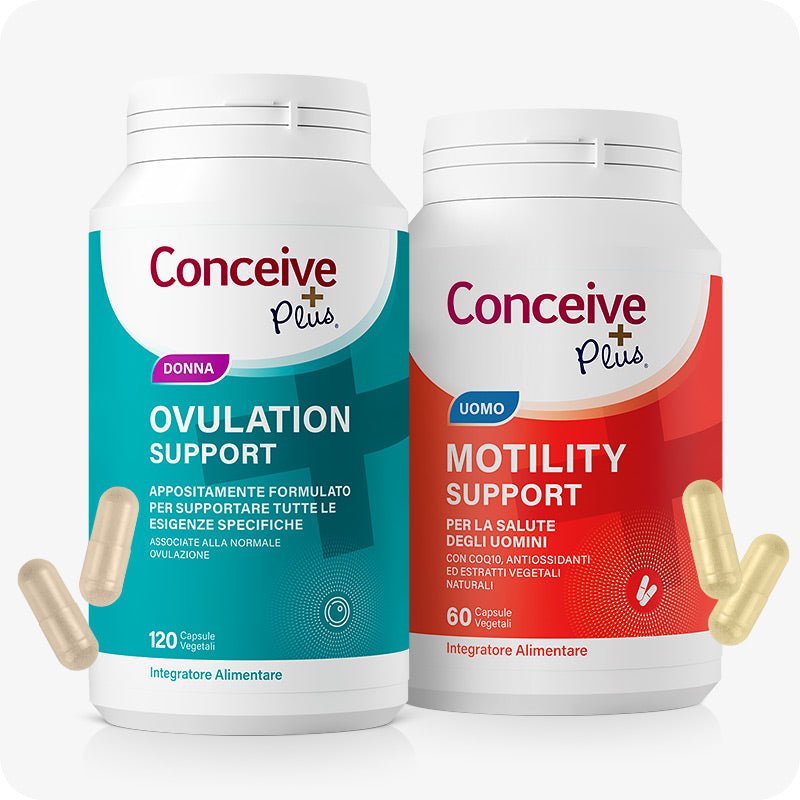
Complement your fertility diet with targeted nutrition. Conceive Plus: methylfolate, CoQ10, vitamin D, and key minerals your diet may miss. Shop Fertility Supplements →
The fertility diet is not a specific named diet — it's a set of evidence-based principles consistently associated with improved reproductive outcomes. It overlaps significantly with the Mediterranean diet, which has the strongest evidence base for fertility in both men and women.
1. Prioritise Antioxidant-Rich Foods
Antioxidants neutralise free radicals that damage eggs and sperm. A diet rich in:
- Colourful vegetables (spinach, kale, broccoli, bell peppers, tomatoes)
- Berries (blueberries, strawberries, raspberries)
- Citrus fruits
- Nuts and seeds (especially walnuts, almonds, sunflower seeds)
- Dark chocolate (70%+ cocoa)
Provides vitamins C, E, and beta-carotene, selenium, zinc, and polyphenols — all with direct antioxidant activity on reproductive cells.
2. Include Plenty of Healthy Fats
Fat is not the enemy of fertility — the type of fat matters enormously. Healthy fats support hormonal production, reduce inflammation, and improve egg quality:
- Omega-3 fatty acids (oily fish, walnuts, flaxseed, chia seeds) — reduce inflammation, support sperm motility, improve embryo quality
- Monounsaturated fats (olive oil, avocado, almonds) — core of the Mediterranean fertility diet; associated with improved IVF outcomes
- Avoid trans fats (partially hydrogenated oils in processed foods, some margarine) — strongly associated with anovulation and reduced fertility in the Harvard Nurses' Health Study
3. Choose Complex Carbohydrates Over Refined Ones
The glycaemic index (GI) of carbohydrates significantly impacts hormonal balance and ovulation. High-GI refined carbohydrates (white bread, sugary cereals, pastries) spike blood sugar and insulin, which disrupts hormonal signalling and can suppress ovulation.
Choose instead:
- Whole grains: oats, quinoa, brown rice, barley, rye bread
- Legumes: lentils, chickpeas, black beans, edamame
- Starchy vegetables: sweet potato, butternut squash (lower GI than white potato)
4. Eat Sufficient, High-Quality Protein
The Harvard Nurses' Health Study found that replacing animal protein with plant protein was associated with significantly reduced risk of ovulatory infertility. Aim for a balance:
- Plant proteins: Lentils, beans, tofu, tempeh, edamame, quinoa
- Oily fish: Salmon, sardines, mackerel (omega-3 rich; aim for 2–3 servings per week)
- Eggs: Excellent source of choline (critical for neural tube development) and lutein
- Modest lean meat: Chicken and turkey over red/processed meat
5. Don't Fear Full-Fat Dairy
Counterintuitively, the Harvard Nurses' Health Study found that full-fat dairy was associated with lower risk of anovulatory infertility, while low-fat dairy products were associated with higher risk. One to two servings of full-fat dairy daily (full-fat yoghurt, whole milk, cheese) may be beneficial for ovulatory function — particularly in women without dairy intolerance.
The Top Fertility Foods to Eat When TTC
1. Oily Fish (Salmon, Sardines, Mackerel)
Rich in DHA and EPA omega-3 fatty acids, which are critical for egg cell membrane quality, reducing inflammation, supporting sperm motility, and foetal brain development in early pregnancy. Aim for 2–3 portions per week. Avoid high-mercury fish (shark, swordfish, king mackerel) during TTC and pregnancy.
2. Leafy Green Vegetables
Spinach, kale, Swiss chard, rocket, and watercress are packed with folate (essential for preventing neural tube defects), vitamin C, vitamin K, iron, calcium, and antioxidants. Aim for at least 2 large servings daily.
3. Avocado
A fertility superfood: rich in monounsaturated fats, folate, vitamin E, vitamin K, and potassium. One study found that women undergoing IVF who ate a diet high in monounsaturated fats had a 3.4× higher chance of live birth compared to those eating the least. Add avocado to salads, smoothies, or on toast.
4. Eggs
One of the most complete fertility foods. Eggs are rich in choline (critical for neural tube development and brain health), folate, vitamins B12, D, A, lutein, selenium, and protein. An egg a day is a fertility diet staple.
5. Walnuts
The only nut with significant omega-3 fatty acids (ALA). Studies show that adding walnuts to the diet improves sperm morphology, motility, and vitality. Also rich in antioxidants and magnesium. A small handful daily is sufficient.
6. Berries
Blueberries, raspberries, and strawberries are among the highest-antioxidant foods available. Their anthocyanins and vitamin C content reduce oxidative stress to eggs and sperm. Include a cup of mixed berries daily.
7. Legumes (Lentils, Chickpeas, Black Beans)
High in folate, plant protein, iron, and fibre. Substituting plant protein for animal protein even once or twice per week is associated with reduced ovulatory infertility. Legumes also help stabilise blood sugar, supporting insulin sensitivity.
8. Pumpkin Seeds
Exceptionally high in zinc, essential for sperm production, testosterone synthesis, and egg maturation. Also rich in magnesium, iron, and omega-3 fatty acids. Add to salads, porridge, or eat as a snack.
9. Full-Fat Greek Yoghurt
Probiotics support gut health (which influences hormonal metabolism and inflammation), and full-fat dairy supports ovulation as outlined above. Greek yoghurt is also rich in protein and calcium. One serving daily is a practical fertility diet staple.
10. Turmeric
Curcumin, turmeric's active compound, is a potent anti-inflammatory and antioxidant. Animal studies show positive effects on fertility; human evidence is emerging. Use liberally in cooking, golden milk, or smoothies. Best absorbed with black pepper and fat.
Foods to Limit or Avoid on a Fertility Diet
Alcohol
Even moderate alcohol consumption is associated with reduced fecundity (probability of conception per cycle). A 2021 systematic review found that women consuming more than 4 drinks per week had a 16% reduction in monthly conception probability. During TTC, minimising or eliminating alcohol is evidence-based advice. Completely stop as soon as pregnancy is confirmed.
Refined Carbohydrates and Added Sugar
White bread, sugary drinks, pastries, and confectionery spike blood sugar and insulin, promoting inflammation, insulin resistance, and ovulatory disruption. Replace with whole grain equivalents and satisfy sweet cravings with fruit.
Trans Fats
Found in partially hydrogenated oils, some margarines, and commercially fried foods. Even small amounts of trans fat consumption significantly increase ovulatory infertility risk. Check labels and avoid any product listing "partially hydrogenated" oils.
Processed Meats
Bacon, sausages, salami, and other processed meats are associated with reduced male fertility (lower sperm concentration and motility) and increased oxidative stress. Limit to occasional consumption during TTC.
High-Mercury Fish
Shark, swordfish, king mackerel, and tuna (especially bluefin and bigeye) accumulate mercury, which is toxic to both eggs and developing embryos. Stick to low-mercury oily fish like salmon, sardines, and trout.
Excessive Caffeine
The evidence on caffeine and fertility is mixed, but a moderate approach is prudent. Keep caffeine below 200mg per day (roughly one strong cup of coffee or two weaker cups). High caffeine intake has been linked to increased miscarriage risk.
Supplementing a Fertility Diet
Even an optimal diet rarely provides all the micronutrients needed in sufficient quantities for fertility. Key supplements that complement a fertility diet include:
- Methylfolate (active folate): 400–800mcg daily — essential from pre-conception through the first trimester
- CoQ10 (ubiquinol): 200–600mg daily — supports egg and sperm mitochondrial energy production
- Vitamin D3: 2000–4000 IU daily (adjust based on blood levels) — supports ovarian function, implantation, and immune regulation
- Omega-3 DHA/EPA: 1000–2000mg daily if dietary fish intake is low
- Vitamin E: Powerful antioxidant for egg quality and sperm DNA integrity
- Zinc: Essential for both egg maturation and sperm production
- Inositol: Particularly for women with PCOS — supports insulin sensitivity and ovulation
Conceive Plus fertility supplements are formulated to complement a fertility diet with a comprehensive blend of these evidence-based nutrients, supporting both egg quality and reproductive hormone balance.
FAQ: Fertility Diet
Q: How long does it take for diet changes to improve fertility?
A: Because eggs take 90 days to mature and sperm take 74 days, dietary changes take 2–3 months to fully impact the quality of the eggs and sperm involved in conception attempts. Start your fertility diet at least 3 months before actively TTC.
Q: Is the Mediterranean diet good for fertility?
A: Yes. The Mediterranean diet has the strongest evidence base for fertility in both men and women. A 2018 study found adherence to a Mediterranean diet was associated with 65–68% higher odds of clinical pregnancy and live birth in women undergoing IVF.
Q: Can diet affect IVF success rates?
A: Yes. Multiple studies show diet quality before and during IVF affects egg quality, fertilisation rates, embryo quality, and pregnancy rates. The Mediterranean diet and antioxidant-rich diets consistently show the best outcomes.
Q: Should my partner also follow a fertility diet?
A: Absolutely. Male fertility is equally affected by diet. The same antioxidant-rich, anti-inflammatory dietary principles improve sperm count, motility, morphology, and DNA integrity.
Q: Does drinking enough water matter for fertility?
A: Yes. Good hydration supports cervical mucus production (essential for sperm transport) and overall reproductive health. Aim for 2+ litres of water daily.
Q: Is organic food necessary for a fertility diet?
A: Evidence is limited but emerging. Some pesticides are endocrine disruptors. Prioritise organic for the "Dirty Dozen" (highest pesticide produce), but don't let cost prevent you from eating plenty of fruits and vegetables overall.
Q: Can a vegan diet support fertility?
A: Yes, with careful planning. Key nutrients to monitor on a vegan fertility diet include B12, iron, zinc, iodine, omega-3 (algae-based DHA), and vitamin D. Supplementation is typically necessary.
Q: Is coffee really bad for fertility?
A: Moderate coffee consumption (up to 200mg caffeine/day, roughly 1–2 cups) is generally considered acceptable. High intake (3+ cups/day) has been linked to fertility reduction and increased miscarriage risk.
Q: What is the single most important fertility food?
A: There is no one "superfood." Pattern matters more than any individual food. However, if forced to choose a top three: leafy greens (folate, antioxidants), oily fish (omega-3), and eggs (choline, protein, vitamins).
Q: Do Conceive Plus supplements work alongside a fertility diet?
A: Yes. Conceive Plus fertility supplements are designed to complement — not replace — a healthy diet. They fill the nutritional gaps that diet alone typically cannot address, particularly CoQ10, methylfolate, and vitamin D at therapeutic levels.
Conclusion
A fertility diet isn't a quick fix — it's a sustained investment in the quality of your eggs, the health of your sperm, and the hormonal environment that determines whether and how quickly you conceive. The evidence is clear: what you eat in the months before and during your TTC journey has a measurable impact on your reproductive outcomes.
Fill your plate with colourful vegetables, oily fish, whole grains, legumes, and healthy fats. Cut back on processed foods, sugar, and trans fats. Supplement intelligently. And support your fertility diet with Conceive Plus — fertility supplements formulated to fill the gaps and give your body every possible advantage on your path to parenthood.
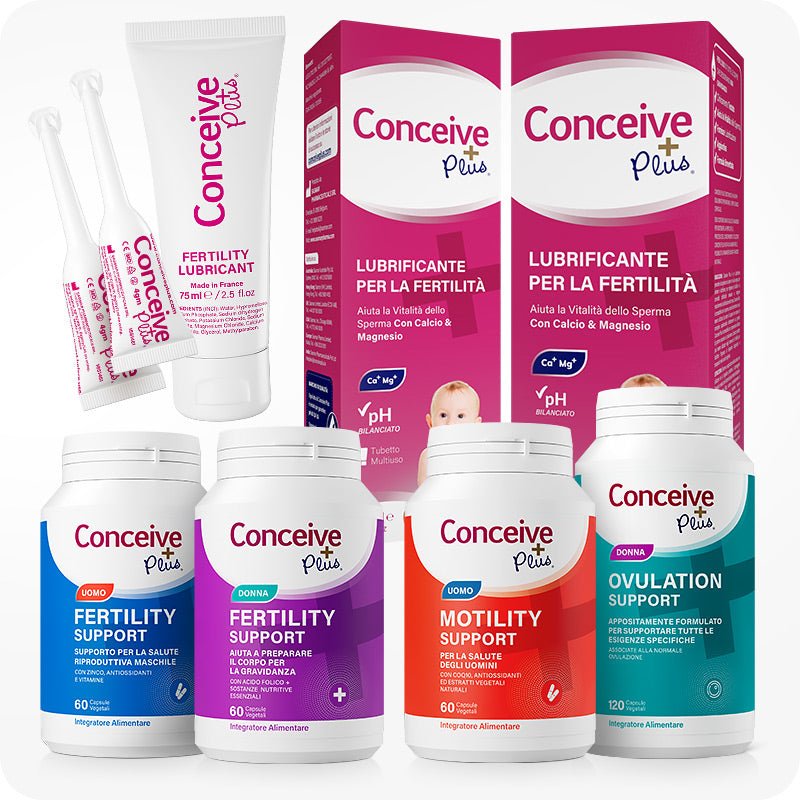
Diet plus supplements plus timing equals your best chance. Complete your TTC toolkit with Conceive Plus. Explore Conceive Plus Products →