Fertility Supplements for Women: What to Take When Trying to Conceive


Fertility Supplements for Women: What to Take When Trying to Conceive
Choosing the right fertility supplements for women is one of the most impactful decisions you can make when trying to conceive. The right combination of nutrients supports egg quality, hormonal balance, and uterine health — giving your body the best possible foundation for pregnancy. In this comprehensive guide, we'll walk through the science behind the most important fertility nutrients, what the research says, and how Conceive Plus brings these together into an expertly formulated supplement range.
Why Nutritional Status Matters for Female Fertility
Your eggs (oocytes) take approximately 90 days to develop from primordial follicles to mature, ovulation-ready eggs. This three-month window is when nutritional status has its greatest influence on egg quality, chromosomal integrity, and fertilisation potential.
A 2022 review in Nutrients concluded that women with optimal micronutrient status across folate, vitamin D, CoQ10, and omega-3 fatty acids had measurably better reproductive outcomes — including higher IVF success rates and lower miscarriage rates — than deficient peers.
Starting fertility supplements for women at least 3 months before trying to conceive gives these nutrients time to influence the egg cohort that will be recruited for your conception cycles.
Folate and Methylfolate: Non-Negotiable for Fertility
Ready to take the next step in your fertility journey?
Shop Conceive Plus →Folate (vitamin B9) is essential for DNA synthesis, cell division, and preventing neural tube defects in early embryo development. It's one of the few nutrients with universal recommendation from fertility and obstetric bodies worldwide.
Two forms to know:
- Folic acid: Synthetic form requiring enzymatic conversion (MTHFR enzyme) to active methylfolate. Up to 40% of women carry MTHFR gene variants that reduce this conversion efficiency.
- Methylfolate (5-MTHF): The biologically active form — immediately available regardless of MTHFR status. Preferred in quality fertility supplements.
Recommended dose: 400–800 mcg of methylfolate daily, starting at least 3 months before conception and continuing through the first trimester.
CoQ10: Protecting and Energising Your Eggs
Coenzyme Q10 is a fat-soluble antioxidant that plays a critical role in mitochondrial energy production (ATP synthesis). Eggs are among the most mitochondria-rich cells in the body — a mature oocyte contains approximately 100,000 mitochondria, compared to 2,000 in a typical somatic cell.
Mitochondrial function directly affects:
- Egg quality and chromosomal accuracy during meiosis
- Fertilisation rates
- Early embryo development and cleavage rates
CoQ10 levels naturally decline with age — by age 40, levels may be 50% lower than at age 20. A 2020 RCT published in Reproductive Biology and Endocrinology found that CoQ10 supplementation (600 mg/day for 60 days) significantly improved oocyte quality markers in women undergoing IVF.
Recommended dose: 200–600 mg/day of ubiquinol (the reduced, more bioavailable form).
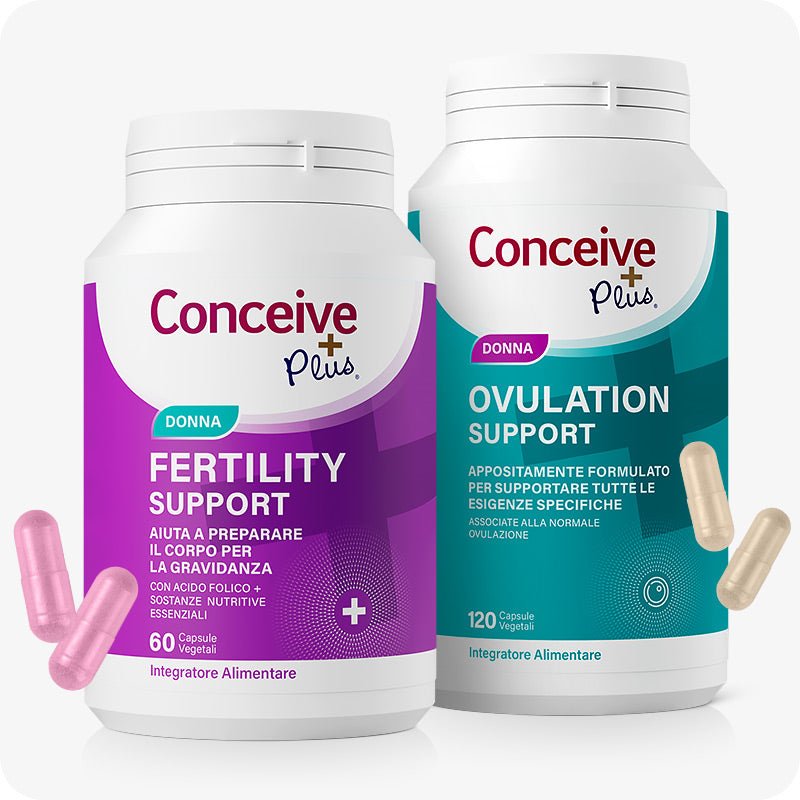
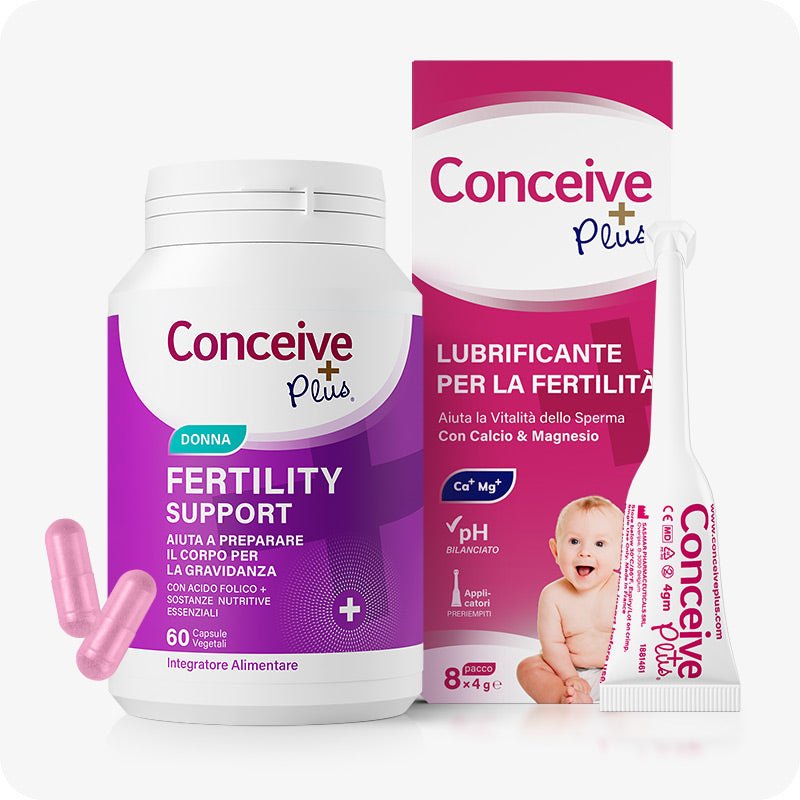
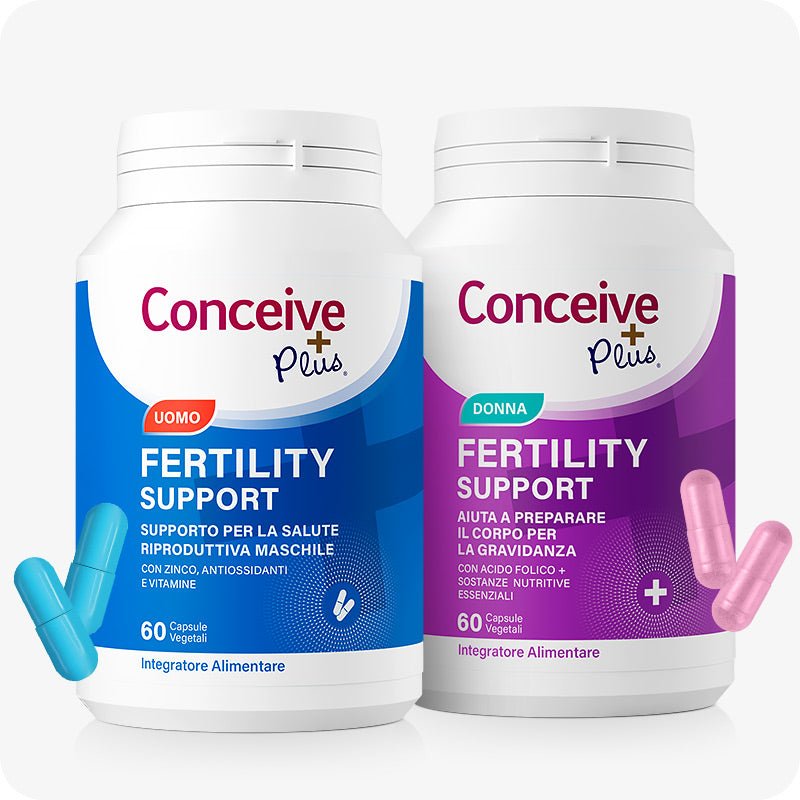
Conceive Plus Women's Fertility Support contains methylfolate, CoQ10, vitamin D3, zinc, and a comprehensive B-vitamin complex — the evidence-based nutrients for female fertility in one daily supplement. Trusted across Europe by women on their TTC journey.
Explore Conceive Plus Women's Supplements →
Vitamin D: The Fertility Hormone Regulator
Vitamin D functions as a hormone rather than a simple vitamin — it has receptors throughout the reproductive system, including the ovaries, uterus, and fallopian tubes. Vitamin D deficiency is associated with:
- Irregular ovulation and anovulatory cycles
- PCOS and endometriosis (both linked to deficiency)
- Reduced IVF implantation rates (women with sufficient D3 have ~34% higher implantation rates)
- Increased miscarriage risk in the first trimester
A 2019 meta-analysis in Human Reproduction Update found vitamin D-sufficient women had significantly higher clinical pregnancy and live birth rates in both natural conception and ART (assisted reproductive technology) cycles.
Recommended: 1,000–2,000 IU vitamin D3 daily; test levels if possible (target 75–150 nmol/L serum 25-OH-D).
Myo-Inositol and D-Chiro Inositol: Hormonal Balance and Ovulation Support
Inositols are naturally occurring compounds involved in insulin signalling and follicle-stimulating hormone (FSH) receptor activity. For women with PCOS or irregular cycles, they're among the most evidence-backed fertility supplements for women available.
Key benefits established in clinical research:
- Improved ovulation frequency and regularity
- Reduced testosterone levels in women with PCOS
- Better insulin sensitivity and metabolic parameters
- Improved egg quality in IVF cycles
- Reduced FSH requirements in stimulation protocols
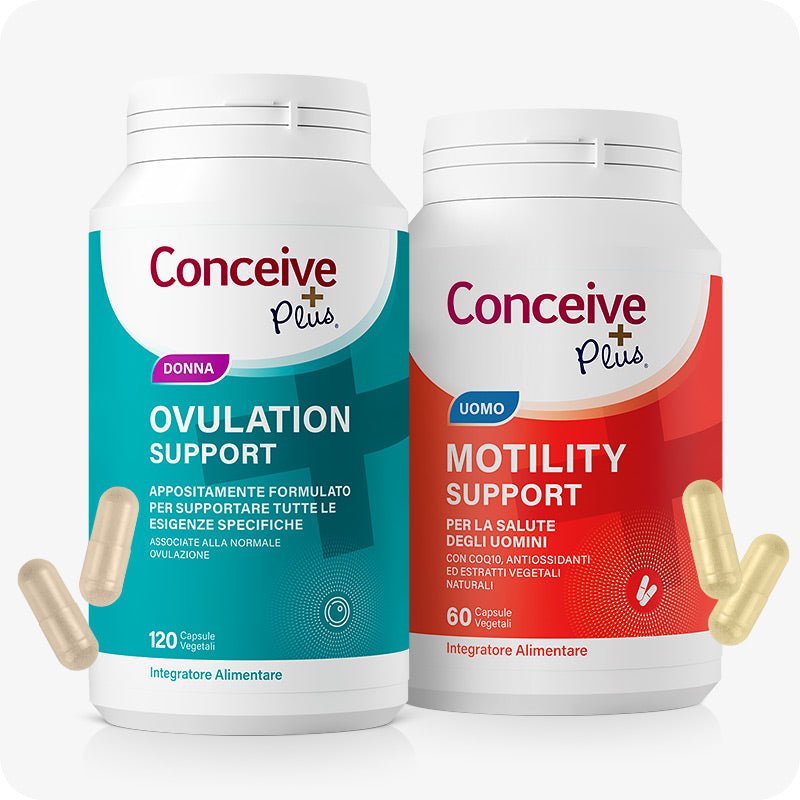
The 40:1 Myo-Inositol:D-Chiro Inositol ratio mirrors the natural physiological ratio in follicular fluid and is the combination studied in key clinical trials. Conceive Plus Ovulation Support uses this precise ratio.
Iron: Essential but Often Overlooked
Iron deficiency is the world's most common micronutrient deficiency, and it has significant fertility implications:
- Iron supports haemoglobin production and oxygen delivery to reproductive organs
- The developing embryo requires iron for cell division and growth
- Overt iron deficiency anaemia is associated with anovulation
A Harvard Nurses' Health Study following over 18,000 women found that supplemental (non-haem) iron intake was associated with significantly lower rates of ovulatory infertility.
Note: Iron should be taken as part of a comprehensive prenatal supplement rather than in excess — very high iron levels are pro-oxidant and potentially harmful. The recommended dietary allowance for iron in reproductive-age women is 18 mg/day (EU RDA).
Omega-3 Fatty Acids: Anti-Inflammatory Fertility Support
DHA and EPA (long-chain omega-3s from fish oil) are critical for:
- Reducing systemic inflammation that impairs ovarian function
- Supporting endometrial receptivity (the uterus's ability to accept an embryo)
- Fetal brain and eye development once pregnant
- Improving egg quality in older women
A 2020 study in Fertility and Sterility found that women with higher blood levels of DHA had significantly better IVF outcomes, including fertilisation rates and blastocyst development.
Recommended: 1,000–2,000 mg combined EPA+DHA daily from high-quality fish or algae sources.
Zinc: The Reproductive Mineral
Zinc is essential for every stage of the reproductive process in women:
- Follicle development and egg maturation
- Ovulation itself (zinc levels drop sharply at the moment of ovulation — triggering the process)
- Fertilisation and early embryo development
- Supporting progesterone production in the luteal phase
Zinc deficiency is associated with reduced egg quality and early pregnancy loss. Recommended intake: 7–15 mg elemental zinc daily through diet and supplements combined.
Vitamin E: Antioxidant Protection for Developing Eggs
Vitamin E (tocopherol) is a fat-soluble antioxidant that protects cellular membranes from oxidative stress — a particular concern for the developing egg, which is especially vulnerable to reactive oxygen species (ROS) damage.
Clinical evidence suggests vitamin E improves endometrial thickness in women with thin endometrium — a common cause of implantation failure. A 2020 study found 600 mg vitamin E supplementation significantly increased endometrial thickness in women with inadequate uterine lining.
B Vitamins: The Homocysteine Connection
Elevated homocysteine is associated with impaired fertility, increased miscarriage risk, and pregnancy complications. B vitamins — particularly B6, B12, and folate — are the primary regulators of homocysteine metabolism.
Vitamin B12 is particularly important for vegetarian and vegan women, who are at higher risk of deficiency. B12 deficiency is associated with ovulatory dysfunction and irregular cycles. Conceive Plus Women's Fertility Support includes the full B-complex in bioactive forms.
Building Your Fertility Supplement Stack
For most women trying to conceive, a comprehensive approach to fertility supplements for women includes:
- A quality women's fertility multivitamin (like Conceive Plus Women's Fertility Support) as the foundation
- Additional CoQ10 (ubiquinol, 300–600 mg) — especially for women over 35
- Omega-3 supplement if dietary fish intake is low
- Inositol supplement (like Conceive Plus Ovulation Support) if cycles are irregular or PCOS is a factor
- Vitamin D tested and supplemented to optimal levels
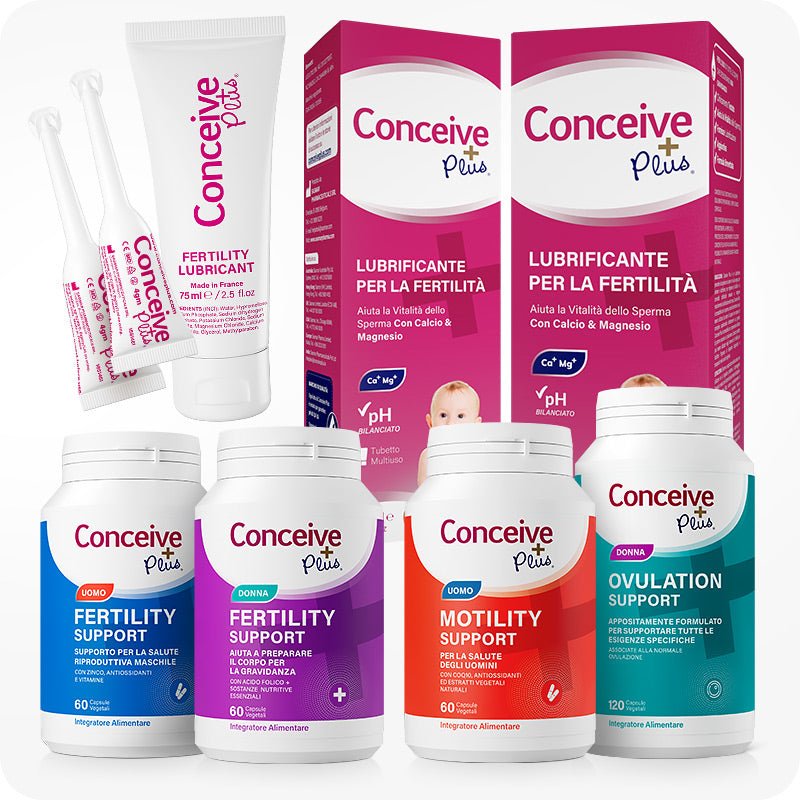
Conceive Plus is formulated by fertility nutrition experts and trusted by clinics across Europe. Our women's supplement range delivers evidence-based nutrients in bioavailable forms — methylfolate not folic acid, ubiquinol CoQ10, chelated minerals — for maximum absorption and effectiveness.
Shop Conceive Plus Supplements for Women →
Frequently Asked Questions: Fertility Supplements for Women
When should I start taking fertility supplements?
At least 3 months before you start trying to conceive. Egg development takes approximately 90 days, so starting early gives nutrients time to influence the eggs that will be ovulated during your active TTC months.
Can I take regular prenatal vitamins instead?
Many prenatal vitamins contain folic acid rather than methylfolate, and suboptimal doses of key fertility nutrients like CoQ10 and inositol. Purpose-formulated fertility supplements like Conceive Plus are better matched to pre-conception nutritional needs.
Is CoQ10 worth taking for fertility?
The evidence is strongest for women over 35 and those with poor egg quality in previous IVF cycles. For younger women with normal fertility, it's a supportive measure with minimal risk. Doses of 300–600 mg/day are most studied.
Should I take inositol even without PCOS?
Inositols benefit ovulation quality broadly, not just in PCOS. However, the evidence is strongest for PCOS-related anovulation. For women with regular cycles, a comprehensive fertility multivitamin may be sufficient without additional inositol.
How do I know if I'm vitamin D deficient?
A simple blood test (25-OH vitamin D) ordered by your GP will confirm your status. Deficiency (<50 nmol/L) is common across Europe, particularly in northern latitudes and during winter months. Supplementation to achieve 75–150 nmol/L is recommended.
Are fertility supplements safe to take long-term?
Yes — the nutrients in quality fertility supplements like Conceive Plus are safe at recommended doses for extended periods. They can be continued through early pregnancy (typically through the first trimester at minimum) under your doctor's guidance.
Can supplements replace a healthy diet?
No — supplements are intended to complement a nutrient-rich diet, not replace it. A Mediterranean-style diet with abundant vegetables, whole grains, legumes, healthy fats, and lean protein provides the phytonutrients and co-factors that supplements alone cannot replicate.
Do fertility supplements work for IVF?
Multiple studies support pre-IVF supplementation with CoQ10, vitamin D, methylfolate, and inositols to improve egg quality, embryo development rates, and clinical pregnancy outcomes. Many fertility clinics now recommend a structured supplement protocol starting 3 months before retrieval.
Start Your Journey with Conceive Plus
Join thousands of couples who've trusted Conceive Plus to support their fertility naturally. Science-backed. Clinically formulated.
Explore All Products →