Ovulation Tracking: Everything You Need to Know to Maximise Your Chances of Conception


Ovulation Tracking: Everything You Need to Know to Maximise Your Chances of Conception
Ovulation tracking is one of the most powerful tools available to couples trying to conceive. Understanding exactly when ovulation occurs allows you to time intercourse during your true fertile window — which is only 5–6 days per cycle. Without accurate tracking, couples often miss their peak fertile days entirely, extending time-to-conception by months or even years.
This comprehensive guide covers every method of ovulation tracking — from simple calendar calculation to advanced hormone testing — and explains how to combine methods for maximum accuracy. It's the information every person trying to conceive in Europe needs.
The Biology of Ovulation: Why Timing Is Everything
To understand ovulation tracking, you first need to understand the biology. The menstrual cycle is driven by a cascade of hormones orchestrated by the brain-ovary axis:
- Follicular phase (Day 1–14 in a 28-day cycle): FSH (follicle-stimulating hormone) stimulates the development of multiple follicles in the ovaries. Usually, one dominant follicle emerges and grows, producing increasing amounts of oestrogen.
- LH surge: Rising oestrogen triggers a dramatic spike in LH (luteinising hormone) — the "trigger" for ovulation. This surge begins approximately 36 hours before the egg is released.
- Ovulation: The dominant follicle ruptures and releases the egg, which is then picked up by the fallopian tube and begins its journey toward the uterus.
- Luteal phase (Day 14–28): The ruptured follicle becomes the corpus luteum, which produces progesterone to prepare the uterine lining for implantation. If fertilisation doesn't occur, the corpus luteum deteriorates, progesterone drops, and menstruation begins.
The egg is only viable for 12–24 hours after release. Sperm, however, can survive in the female reproductive tract for up to 5 days. This means your fertile window is approximately the 5 days before ovulation and the day of ovulation itself — with the highest probability of conception in the 2–3 days immediately before ovulation.
This is why accurate ovulation tracking is so critical: identifying those 5–6 days precisely makes the difference between efficient conception and months of missed opportunities.
Method 1: Calendar / Rhythm Method
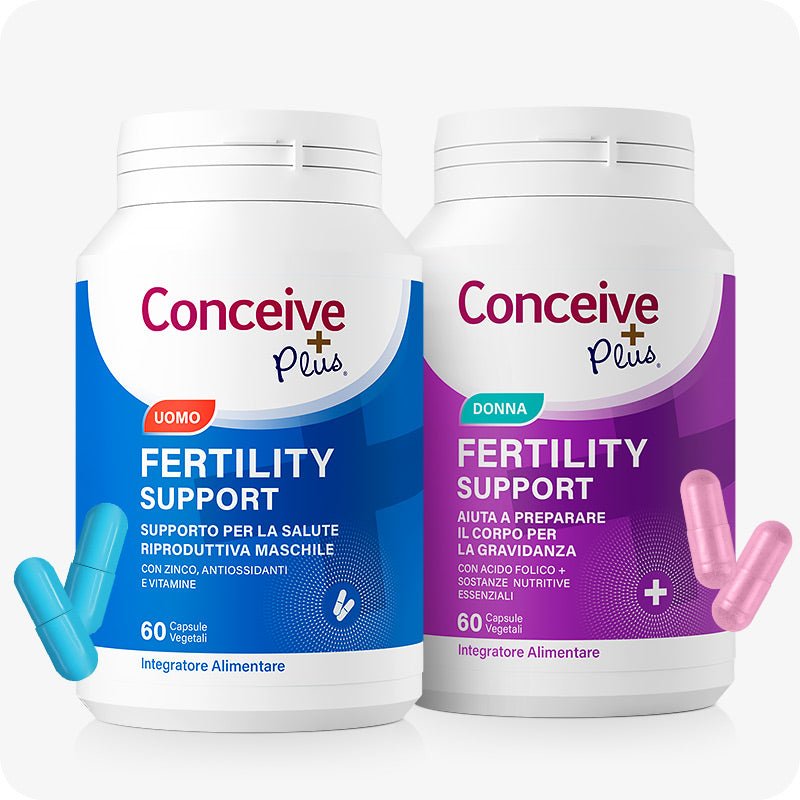
🌟 Ready to support your fertility journey? Conceive Plus offers the most comprehensive range of fertility products, trusted by thousands of couples worldwide. Shop Conceive Plus →
The simplest approach assumes ovulation occurs 14 days before the next expected period. For a 28-day cycle, this means ovulation around day 14. For a 32-day cycle, around day 18.
Accuracy: Low to moderate. The assumption that ovulation consistently occurs 14 days before the period is only reliable for women with very regular cycles. Studies show that even among women with regular 28-day cycles, ovulation may vary by ±3–5 days. The calendar method is a useful starting point but shouldn't be used alone.
Best for: Women with very regular cycles who want a quick estimate without tracking.
Method 2: Cervical Mucus Monitoring
Cervical mucus changes predictably throughout the cycle in response to oestrogen and progesterone:
- Post-period: Minimal or dry
- Building: Sticky, white, creamy — not favourable for sperm
- Peak fertile: Abundant, clear, slippery, stretchy — resembles raw egg white
- Post-ovulation: Returns to thick, sticky texture as progesterone rises
Peak quality cervical mucus (egg-white consistency) is the most reliable sign that ovulation is approaching. Sperm survive best — and travel most effectively — in this mucus environment.
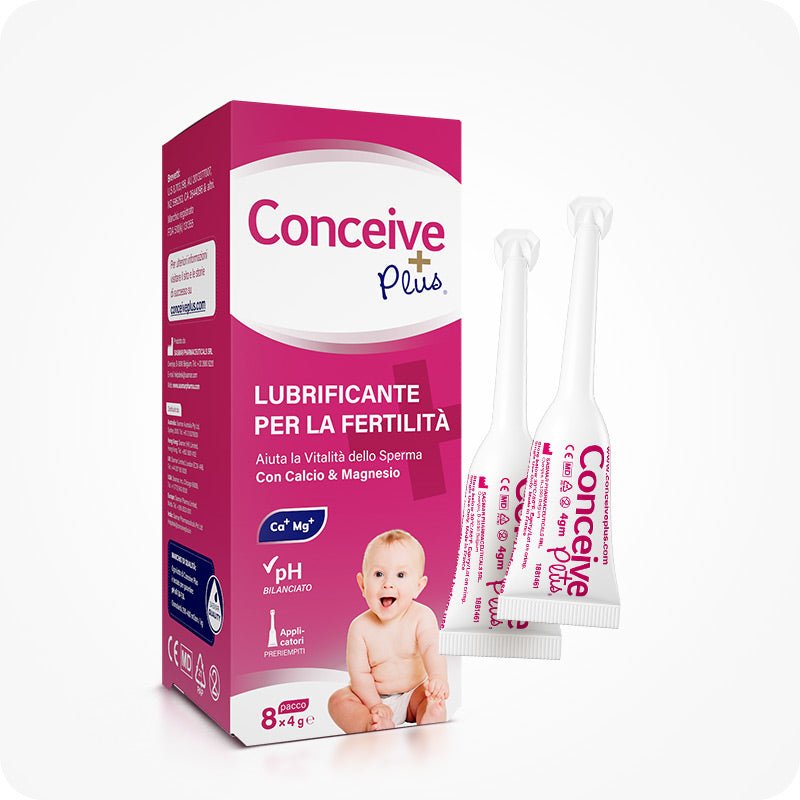
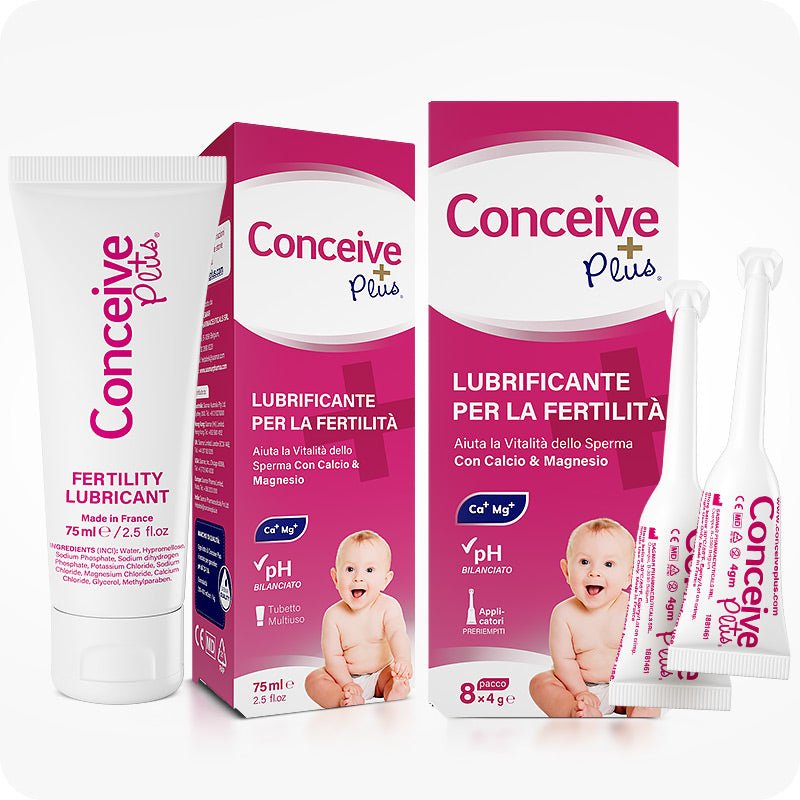
However, some women naturally produce less cervical mucus — particularly those who have taken clomiphene, have PCOS, are over 35, or are approaching perimenopause. This is where a fertility-friendly lubricant becomes especially valuable: Conceive Plus is formulated to mimic fertile cervical mucus, maintaining optimal pH (7.2–8.5) and viscosity that supports sperm survival and motility. Using Conceive Plus on fertile days can help compensate for reduced natural mucus production.
Accuracy: Moderate when done consistently. Improves significantly when combined with other methods.
Method 3: Basal Body Temperature (BBT) Charting
Your basal body temperature — the temperature at complete rest — rises by 0.2–0.5°C (0.4–1.0°F) after ovulation due to the thermogenic effect of progesterone. By charting your BBT daily, you can confirm that ovulation has occurred.
Key points:
- Take your temperature at the same time every morning before getting up
- Use a BBT thermometer accurate to 0.01°C
- A sustained rise over 3 consecutive days (at least 0.2°C above the previous 6 days) indicates ovulation has occurred
- BBT confirms ovulation retrospectively — it cannot predict it in advance
- Use BBT data over multiple cycles to identify your personal pattern
Accuracy: High for confirming ovulation has occurred; not useful for advance prediction. Best used in combination with OPKs.
Method 4: Ovulation Prediction Kits (OPKs)
OPKs detect the LH surge that precedes ovulation by 24–36 hours, giving you advance warning to plan intercourse. This is the most practical method for most people trying to conceive.
Types of OPKs:
- Traditional strip tests — compare test line to control line; a positive requires the test line to be as dark or darker than the control
- Digital tests — give a clear smiley face or symbol; eliminate line-reading ambiguity
- Dual-hormone tests — track both oestrogen (estradiol) AND LH, providing 4+ days of fertile window identification rather than 1–2 days
Tips for OPK use:
- Start testing from day 10 of a 28-day cycle (earlier for shorter cycles)
- Test around the same time daily — typically mid-morning to early afternoon (not first morning urine, which can be too concentrated)
- If you have PCOS or irregular cycles, consider a dual-hormone test — LH may be chronically elevated, making peak detection harder
- Have intercourse on the day of LH surge and the following 2 days
Accuracy: High (90%+ for detecting the LH surge). The most practical ovulation prediction method for most couples.
Method 5: Fertility Monitors
Advanced fertility monitors provide the most comprehensive hormone tracking outside of a clinical setting. Devices like the Clearblue Advanced Fertility Monitor track both LH and estradiol from urine, while devices like the MIRA Fertility Monitor provide quantitative hormone readings.
Benefits of fertility monitors:
- Identify your personal hormone baseline (not just a threshold)
- Detect the estradiol rise before the LH surge (adds 1–2 high-fertility days)
- Useful for irregular cycles where peak timing is unpredictable
- Some provide algorithm-based predictions personalised to your cycle history
Cost: €80–€200 initial investment; test strip costs monthly. Worth it for couples who have been trying for several cycles or have irregular cycles.
Combining Ovulation Tracking Methods: The Gold Standard
No single method is perfect. The highest-accuracy approach combines:
- OPK testing (predict ovulation timing)
- Cervical mucus monitoring (additional fertile window signal)
- BBT charting (confirm ovulation occurred and assess luteal phase)
When all three methods align — positive OPK, egg-white cervical mucus, and subsequent BBT rise — you have the most reliable possible picture of your cycle. Apps like Fertility Friend, Kindara, or Natural Cycles make it easy to log and interpret multiple data sources.
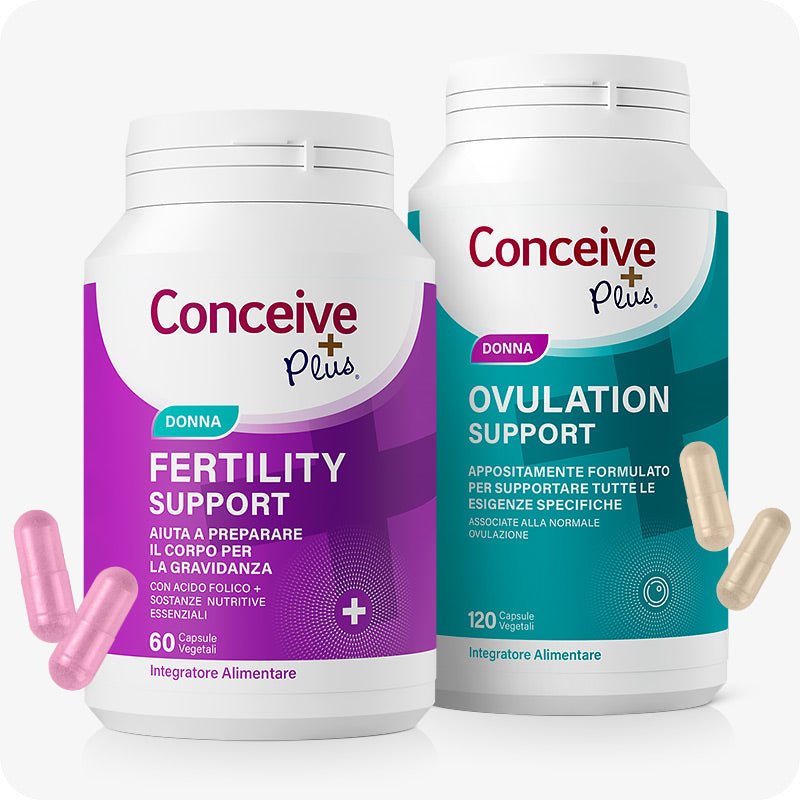
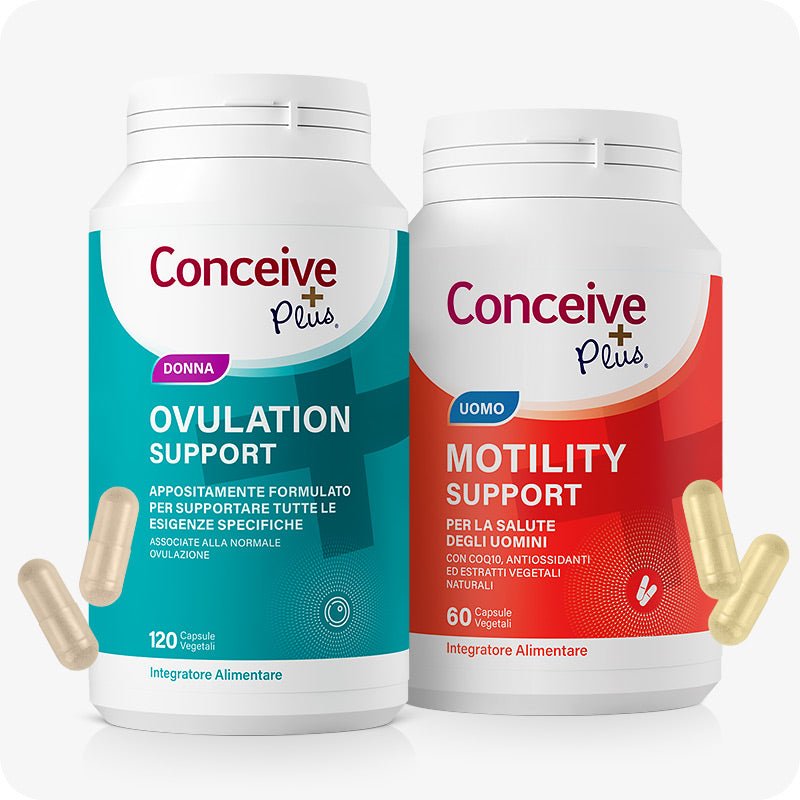
🌸 Support your fertile window with the right supplements. Conceive Plus Ovulation Support supplements are formulated specifically for the pre-conception phase. Shop Ovulation Support Supplements →
Ovulation Support Supplements: Improving Ovulation Regularity
Tracking ovulation is about knowing when it happens. But what if ovulation is irregular, delayed, or absent? Ovulation support supplements can help regulate the hormonal environment that drives ovulation:
Myo-inositol: The most evidence-backed supplement for ovulation regularity, particularly in women with PCOS. Inositol improves insulin sensitivity and reduces androgen levels, restoring more regular ovulation in PCOS. Studies show myo-inositol at 2–4g/day can restore ovulation in up to 70% of PCOS women within 3 months.
Vitex (chasteberry): Vitex acts on dopamine receptors in the pituitary to reduce excess prolactin and balance the FSH/LH ratio. It's particularly useful for women with luteal phase defects or irregular cycles caused by mild hyperprolactinaemia. Effects typically take 3–6 months.
Vitamin D: As described for egg quality, vitamin D is essential for follicular development and ovulation regularity. Deficiency is associated with anovulatory cycles.
Magnesium: Magnesium supports hormonal balance and reduces insulin resistance. Many European women are mildly magnesium deficient due to depleted soil levels in modern agriculture.
Conceive Plus Women's Fertility Supplements combines these ovulation-supportive nutrients in a formulation designed for the pre-conception phase, helping establish the hormonal foundation for regular, healthy ovulation.
Fertile Window Calculation: A Practical Guide
Once you understand your cycle length and typical ovulation timing, you can estimate your fertile window:
| Cycle Length | Approximate Ovulation Day | Fertile Window |
|---|---|---|
| 24 days | Day 10 | Days 5–11 |
| 26 days | Day 12 | Days 7–13 |
| 28 days | Day 14 | Days 9–15 |
| 30 days | Day 16 | Days 11–17 |
| 32 days | Day 18 | Days 13–19 |
| 35 days | Day 21 | Days 16–22 |
Remember: these are estimates. Your actual ovulation date varies cycle-to-cycle. OPK testing removes this uncertainty by directly detecting your LH surge.
Common Ovulation Tracking Mistakes to Avoid
- Testing only once per day with OPKs: LH surges can be brief — testing twice daily (morning and evening) catches short surges that once-daily testing misses
- Stopping intercourse too soon: Continue for 2 days after the LH peak — the egg may not be released until 36 hours post-surge
- Using first morning urine for OPKs: LH is processed by the liver and excreted in urine with a delay — testing around 10am–2pm is more reliable
- Assuming a regular cycle means predictable ovulation: Even regular cycles show 3–5 day variation in ovulation timing. Track — don't assume
- Ignoring the partner: Male fertility is equally important. While you track your fertile window, your partner should be supporting sperm quality with nutrition and supplements
💊 Track smarter, conceive sooner. Pair your ovulation tracking with Conceive Plus fertility support supplements. Shop Conceive Plus →
Frequently Asked Questions About Ovulation Tracking
Q1: How accurate are ovulation prediction kits?
Quality OPKs are approximately 97% accurate at detecting the LH surge. The main causes of false negatives are testing at the wrong time of day or having a very short LH surge. Testing twice daily reduces this risk.
Q2: Can I ovulate without a positive OPK?
Technically yes — if you have a very short or low LH surge, standard OPKs may not detect it. This is rare but happens. If you're using OPKs without catching a positive despite having regular cycles, try testing twice daily or consider a quantitative monitor like MIRA.
Q3: How many days after the LH surge do you ovulate?
Most women ovulate 24–36 hours after the LH surge begins. The 36-hour timeframe is a commonly cited average. This is why the day of a positive OPK and the following day are your two highest-fertility days.
Q4: Can stress delay ovulation?
Yes. Stress elevates cortisol, which suppresses GnRH (the hormonal signal that initiates the LH surge), delaying or suppressing ovulation. This can make cycle-to-cycle timing inconsistent. This is one reason stress management is emphasised in fertility care.
Q5: What does a biphasic BBT chart look like?
A biphasic chart shows lower temperatures in the follicular phase (before ovulation) and consistently higher temperatures in the luteal phase (after ovulation). The transition between phases — the "thermal shift" — indicates ovulation has occurred.
Q6: I have irregular cycles. Can I still track ovulation?
Yes, but it requires more frequent testing. With irregular cycles, start OPK testing from day 8–10 regardless of cycle length. Dual-hormone monitors and fertile-quality cervical mucus observation add reliability.
Q7: What if my OPK is always negative?
Consistently negative OPKs over multiple cycles may indicate anovulation (cycles without ovulation). This should be evaluated by a GP. Causes include PCOS, thyroid dysfunction, elevated prolactin, low body weight, and excessive exercise.
Q8: Does Conceive Plus lubricant interfere with ovulation tests?
No. Conceive Plus is a vaginal lubricant that is not absorbed systemically and does not affect hormone levels or urine tests. It's completely safe to use alongside OPK testing.
Q9: How long should we try before seeing a fertility specialist?
Under 35: 12 months. Over 35: 6 months. Over 40, or with known conditions (PCOS, endometriosis, previous miscarriage): seek assessment proactively even before those timelines.
Q10: Can I track ovulation while breastfeeding?
Ovulation tracking while breastfeeding is more challenging because elevated prolactin suppresses ovulation. However, ovulation can and does resume — sometimes unpredictably — during breastfeeding. OPK testing remains the most reliable way to identify if/when it returns.
🌟 Ready to support your fertility journey? Conceive Plus offers the most comprehensive range of fertility products, trusted by thousands of couples worldwide. Shop Conceive Plus →