PCOS and Fertility: Your Complete Guide to Conceiving with Polycystic Ovary Syndrome


PCOS and Fertility: Your Complete Guide to Conceiving with Polycystic Ovary Syndrome
Polycystic ovary syndrome (PCOS) is the most common hormonal disorder in women of reproductive age, affecting an estimated 8–13% of women globally. Despite its name, having PCOS does not mean you cannot get pregnant — in fact, the vast majority of women with PCOS who receive appropriate management do conceive, many naturally. The key is understanding how PCOS affects fertility and applying targeted interventions that address its underlying mechanisms.
This comprehensive guide explains the relationship between PCOS and fertility, the lifestyle and medical strategies that improve conception chances, and how Conceive Plus supports women with PCOS on their journey to pregnancy.
What Is PCOS and How Does It Affect Fertility?
PCOS is a hormonal disorder characterised by a combination of symptoms that typically includes:
- Irregular or absent periods — reflecting infrequent or absent ovulation (oligo- or anovulation)
- Elevated androgens — excess testosterone and related hormones, causing acne, hirsutism (unwanted hair growth), or alopecia (hair thinning)
- Polycystic-appearing ovaries on ultrasound — multiple small follicles arrested in early development
According to the Rotterdam criteria (the most widely used diagnostic framework), a diagnosis of PCOS requires 2 of these 3 features, after excluding other causes. The syndrome is strikingly heterogeneous — no two women experience PCOS identically.
The primary way PCOS impairs fertility is by disrupting ovulation. In a typical cycle, one dominant follicle matures and releases an egg. In women with PCOS, elevated LH and androgens interfere with follicular development, causing multiple follicles to begin growing but none to complete maturation and ovulate. The result is irregular, infrequent, or absent periods — and fewer opportunities to conceive each year.
Additionally, approximately 70–80% of women with PCOS have insulin resistance, where cells do not respond normally to insulin. This drives compensatory hyperinsulinaemia (high insulin levels), which further stimulates androgen production by the ovaries and disrupts the normal hormonal environment needed for ovulation. Insulin resistance also increases inflammation and affects egg quality.
Does PCOS Affect Egg Quality?
Ready to support your fertility journey? Discover Conceive Plus.
Shop Conceive Plus →This is a nuanced question. While PCOS is characterised by large numbers of antral follicles — a higher ovarian reserve than typical — the quality of eggs in women with PCOS is often reduced compared to age-matched controls without PCOS. Several mechanisms contribute:
- Elevated androgens impair oocyte (egg) maturation within the follicle
- Insulin resistance and high insulin create a suboptimal hormonal environment in follicular fluid
- Chronic low-grade inflammation — common in PCOS — increases oxidative stress, which damages egg DNA and mitochondria
- Dysregulated follicle maturation leads to eggs that are developmentally delayed or chromosomally abnormal at higher rates
The good news is that all of these mechanisms are addressable through lifestyle, supplementation, and medication.
Lifestyle Changes That Improve Fertility in PCOS
Weight Loss: The Most Powerful Intervention
In women with overweight or obesity and PCOS, weight loss of as little as 5–10% of body weight produces dramatic improvements in hormonal parameters, menstrual regularity, and ovulation rate. A systematic review found that lifestyle interventions in overweight women with PCOS led to spontaneous ovulation in a significant proportion — without any medication. Weight loss improves insulin sensitivity, reduces androgens, decreases LH excess, and restores hormonal balance.
This does not mean weight loss is easy or that PCOS is simply a weight problem — it is a complex endocrine disorder. But even modest weight loss is one of the most evidence-supported interventions available.
Diet: Targeting Insulin Resistance
Dietary patterns that reduce insulin resistance are particularly beneficial in PCOS. Evidence supports:
- Low glycaemic index (GI) diet: Choosing lower GI carbohydrates reduces postprandial insulin spikes. Research shows that a low GI diet improves insulin sensitivity, menstrual regularity, and reproductive hormones in women with PCOS.
- Mediterranean diet: Rich in vegetables, legumes, whole grains, olive oil, and fatty fish; associated with improved metabolic and hormonal parameters in PCOS.
- Reduced refined carbohydrates and sugar: White bread, pastry, sugary drinks, and sweets drive rapid insulin release — minimising these helps regulate the hormonal environment.
- Anti-inflammatory foods: Omega-3 fatty acids (fatty fish, walnuts, flaxseed), turmeric, and colourful vegetables reduce the chronic inflammation that characterises PCOS.
Exercise
Both aerobic exercise and resistance training improve insulin sensitivity and reduce androgens in PCOS. A minimum of 150 minutes of moderate aerobic exercise per week (e.g., brisk walking, cycling, swimming) is recommended. Adding 2 sessions of resistance training per week provides additional metabolic benefits. Even short bouts of exercise (10–15 minutes after meals) can meaningfully blunt postprandial glucose and insulin responses.
Sleep
Sleep disturbances are highly prevalent in PCOS and worsen insulin resistance and cortisol dysregulation. Prioritising 7–9 hours of quality sleep per night is an underappreciated but important aspect of PCOS management. Sleep apnoea — more common in women with PCOS — should be evaluated and treated.
Key Supplements for PCOS and Fertility
Myo-Inositol and D-Chiro-Inositol
Inositols are the most extensively studied supplements for PCOS fertility. Myo-inositol (MI) and D-chiro-inositol (DCI) are secondary messengers in the insulin signalling pathway, and PCOS appears to be associated with a deficiency of inositol in ovarian follicles.
Multiple randomised controlled trials have demonstrated that myo-inositol supplementation (2–4 g/day) significantly improves:
- Ovulation rate and menstrual regularity
- Insulin sensitivity
- Androgen levels (testosterone, DHEA-S)
- Egg quality in women undergoing IVF
- Pregnancy rates in natural cycles
The optimal combination appears to be myo-inositol and D-chiro-inositol in a 40:1 ratio (reflecting the physiological ratio in ovarian tissue). A 2019 meta-analysis found this ratio superior to either inositol alone for improving ovulation and hormonal parameters.
Vitamin D
Vitamin D deficiency is extremely common in women with PCOS — estimated to affect 67–85% in studies from various countries. Low vitamin D is independently associated with worsened insulin resistance, higher androgens, and poorer ovulation regularity in PCOS. Supplementation to achieve optimal serum 25(OH)D levels (40–60 ng/mL) improves insulin sensitivity, menstrual regularity, and AMH regulation in multiple studies.
Omega-3 Fatty Acids
Omega-3 supplementation (EPA/DHA, 1–4 g/day) reduces triglycerides, improves insulin sensitivity, lowers androgens, and reduces chronic inflammation in women with PCOS. Multiple RCTs have found significant improvements in reproductive hormone profiles with omega-3 supplementation, and evidence suggests benefit for both spontaneous ovulation and ART outcomes.
N-Acetyl Cysteine (NAC)
NAC is a precursor to glutathione, the body's master antioxidant. In women with PCOS, NAC (1.8 g/day) has been shown in clinical trials to improve insulin sensitivity, ovulation rates, and pregnancy rates — including as an adjunct to Clomiphene Citrate in women with CC-resistant PCOS. Its antioxidant properties also help reduce the oxidative stress that damages egg quality.
Chromium
Chromium picolinate (200–1000 mcg/day) enhances insulin signalling and has modest but consistent evidence for improving insulin sensitivity and reducing fasting glucose in women with PCOS. It is often included in PCOS-specific supplement formulations.
Folate (Methylfolate)
All women trying to conceive need adequate folate to prevent neural tube defects. Women with PCOS may have impaired folate metabolism due to the MTHFR polymorphism, which appears more prevalent in PCOS. Choosing methylfolate (5-MTHF) over synthetic folic acid ensures maximum bioavailability regardless of MTHFR status.
Conceive Plus and PCOS
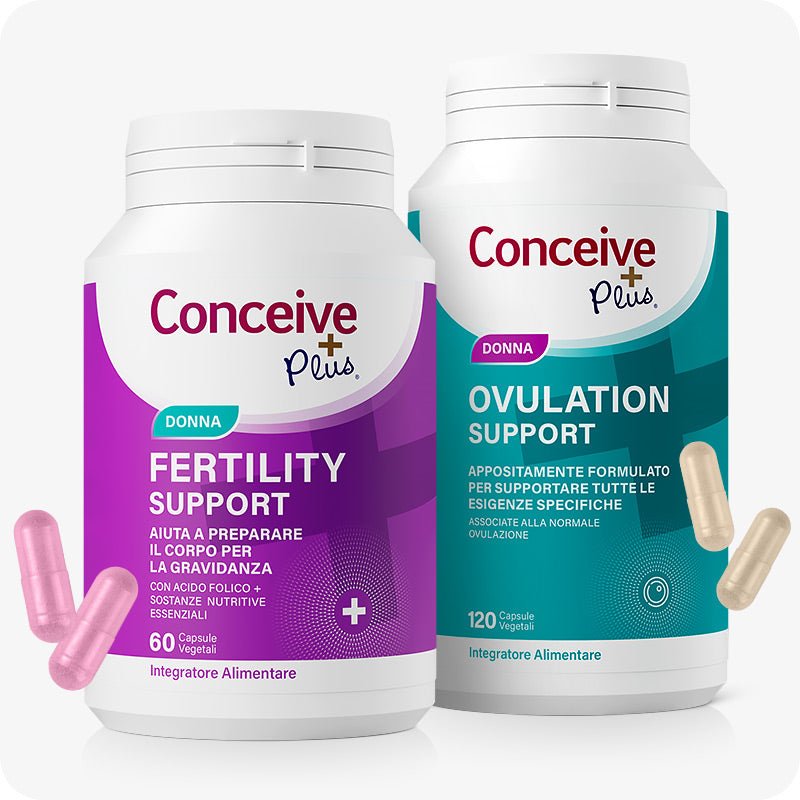
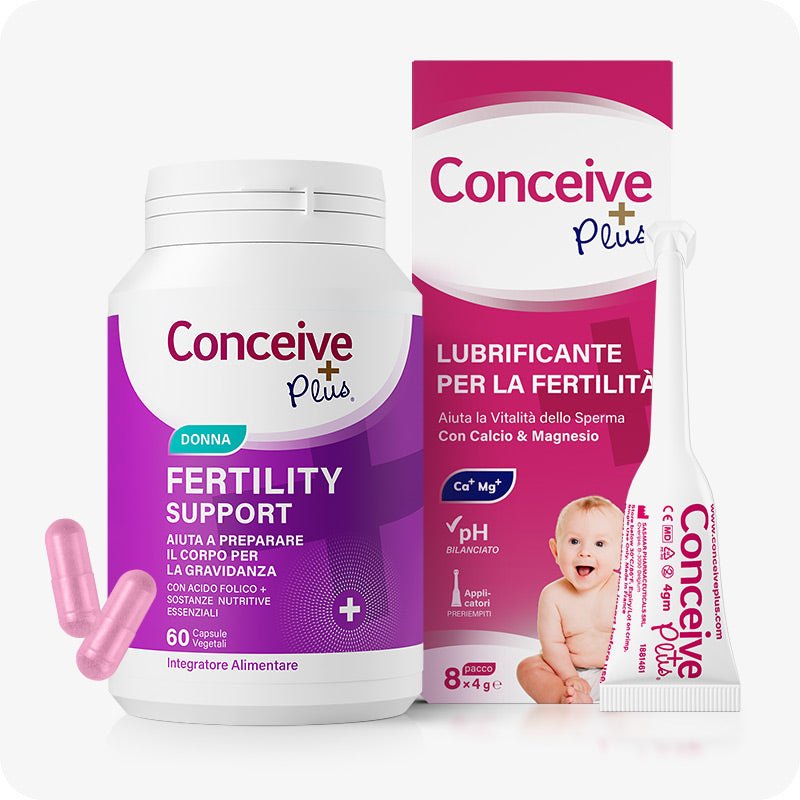
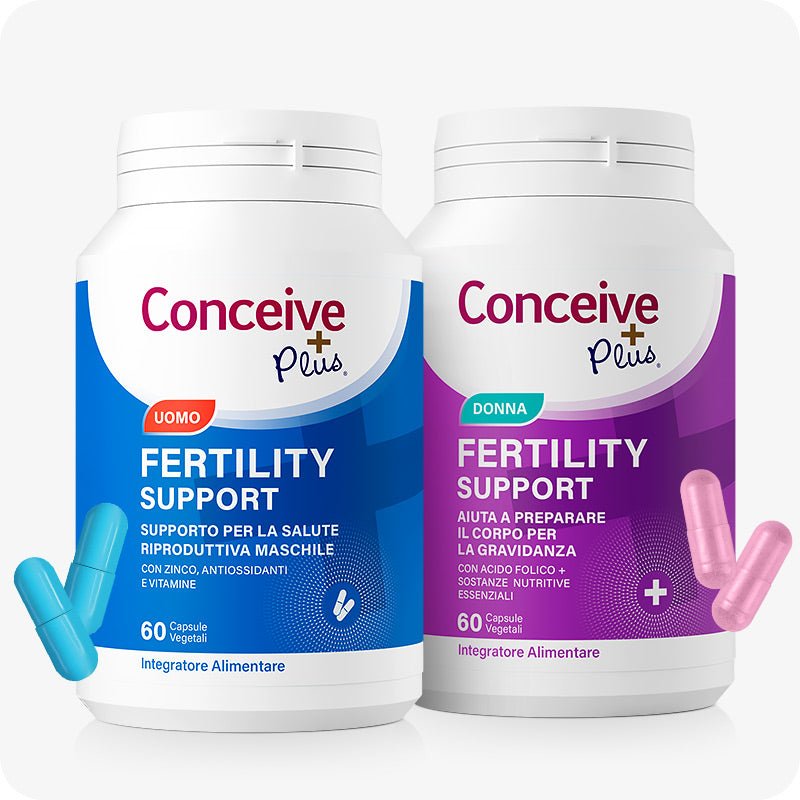
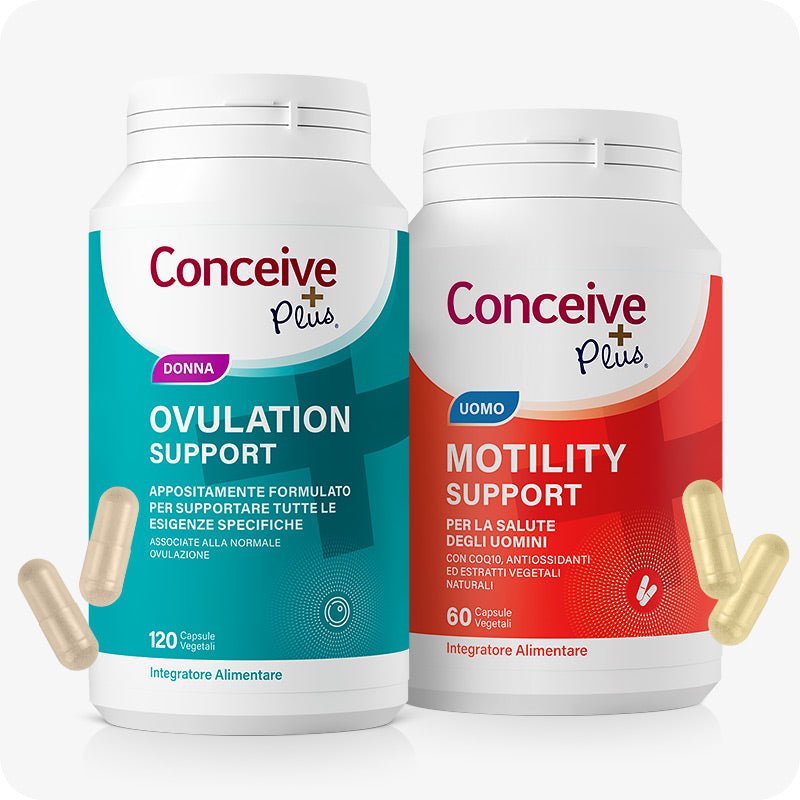
Conceive Plus Women's Fertility Support is designed to address the nutritional needs of women trying to conceive — including those with PCOS. The formulation includes methylfolate rather than folic acid, vitamin D3, B vitamins including B6 and B12 in active forms, CoQ10 for egg quality support, and zinc and selenium for hormonal balance.
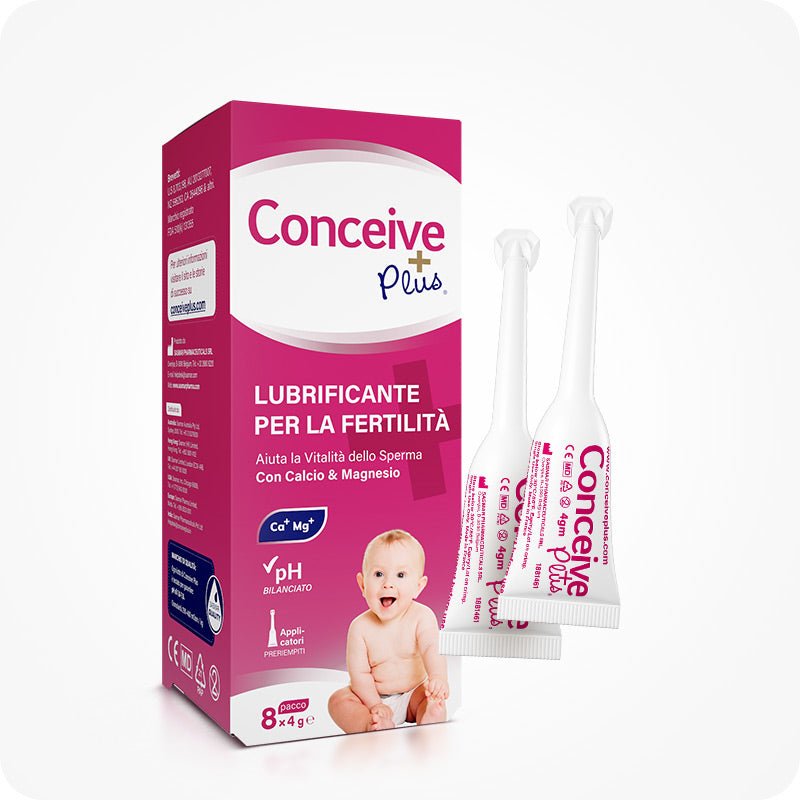
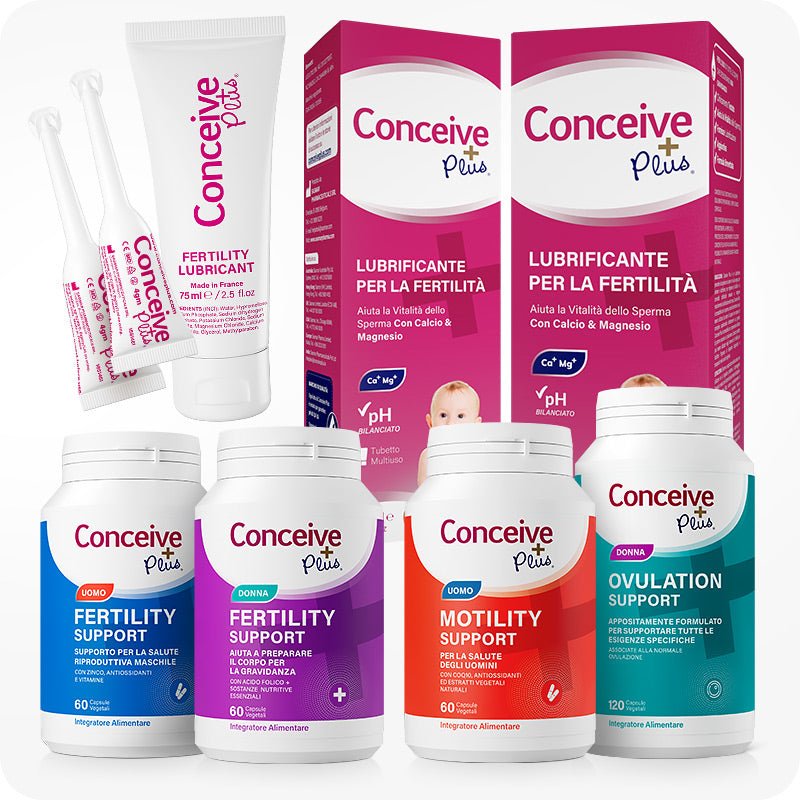
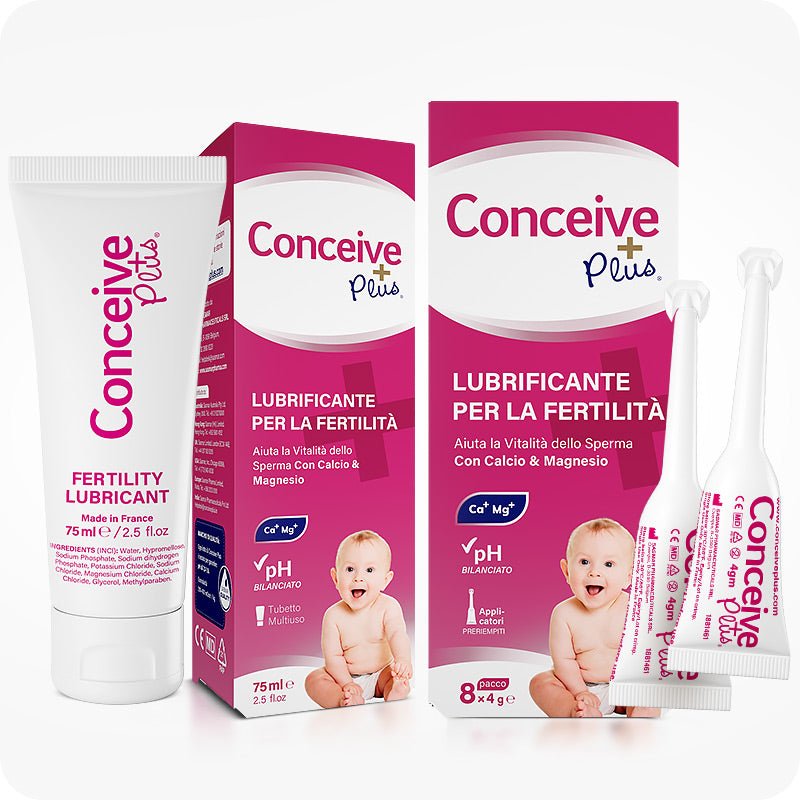
For women with PCOS who want targeted inositol support, pairing a Conceive Plus prenatal supplement with a separate inositol supplement (myo-inositol 2–4g/day) provides comprehensive PCOS-specific nutritional coverage. The Conceive Plus range also includes fertility lubricants — important for women with PCOS, as cervical mucus quality can be affected by hormonal dysregulation, making sperm-friendly lubricant an additional support.
Medical Treatments for PCOS Fertility
When lifestyle and supplement interventions are insufficient to restore ovulation, medical management offers several evidence-based options. These are typically overseen by a gynaecologist or reproductive endocrinologist:
Letrozole (First-Line Ovulation Induction)
Letrozole (an aromatase inhibitor) is now the first-line pharmacological treatment for ovulation induction in women with PCOS-related anovulation. Multiple large RCTs — including the landmark PPCOS II trial — have shown letrozole produces higher live birth rates than Clomiphene Citrate with a lower multiple pregnancy risk. It works by temporarily lowering oestrogen, stimulating FSH release and follicular development.
Metformin
Metformin is an insulin-sensitising drug originally developed for type 2 diabetes. In women with PCOS, it reduces insulin and androgens, often restoring ovulation. It is frequently used in combination with letrozole and has evidence for reducing miscarriage risk in PCOS pregnancies. Gastrointestinal side effects are common; starting at a low dose and titrating up helps with tolerability.
Gonadotrophin Injections
For women who do not respond to oral ovulation induction, injectable FSH preparations can directly stimulate follicular development. These require close ultrasound monitoring due to the risk of ovarian hyperstimulation syndrome (OHSS), which is more common in women with PCOS due to their high antral follicle count.
Laparoscopic Ovarian Drilling (LOD)
LOD is a minimally invasive surgical procedure that uses diathermy to destroy a small amount of androgen-producing ovarian tissue. It can restore spontaneous ovulation in a proportion of women with PCOS and may be offered when women are resistant to oral ovulation induction or prefer a surgical approach. Effects can persist for several years.
IVF
IVF is an option for women with PCOS who have not conceived after ovulation induction, or who have additional fertility factors (such as tubal disease or male factor). Women with PCOS typically have a favourable prognosis in IVF due to their high antral follicle count and large egg yield — but require careful stimulation protocols to minimise OHSS risk. Freeze-all cycles (freezing all embryos for later transfer) are commonly recommended to eliminate the risk of OHSS in fresh transfers.
PCOS, Miscarriage, and Pregnancy Outcomes
Women with PCOS have a modestly elevated risk of early pregnancy loss compared to the general population. Contributing factors include elevated LH levels (which may impair egg and embryo quality), insulin resistance (affecting implantation), and increased risk of gestational diabetes and preeclampsia during pregnancy. Optimising metabolic health before conception — through weight management, dietary change, and supplementation — reduces these risks. Metformin continued through the first trimester may also reduce miscarriage risk in women with PCOS, though this is still being studied.
Frequently Asked Questions About PCOS and Fertility
1. Can you get pregnant naturally with PCOS?
Yes. Many women with PCOS conceive naturally. The probability depends on how frequently ovulation is occurring. Women with PCOS who ovulate regularly (or irregularly but consistently) can conceive without medical intervention, often with lifestyle and supplement optimisation.
2. How do I know if I am ovulating with PCOS?
OPKs can be unreliable in PCOS because elevated LH can cause persistent positive readings. Combining OPKs with BBT charting and cervical mucus observation is more informative. A day 21 progesterone blood test (or 7 days after suspected ovulation) can confirm ovulation. Ultrasound tracking at a fertility clinic is the most definitive confirmation.
3. Does PCOS get better with age?
PCOS symptoms, including menstrual irregularity, often improve after the age of 35–40. Androgen levels tend to decline, and cycles may become more regular. However, fertility itself also declines with age — so earlier intervention is preferable.
4. What blood tests should I have if I suspect PCOS?
A basic PCOS workup includes: LH and FSH (ideally day 2–5 of cycle), testosterone (total and free), SHBG, prolactin, thyroid function, AMH, fasting glucose and insulin, and pelvic ultrasound. Discuss with your gynaecologist or GP.
5. How much inositol should I take for PCOS?
Clinical trials have used myo-inositol 2–4 g/day, often combined with D-chiro-inositol in a 40:1 ratio. Start with 2 g of myo-inositol twice daily. Effects on ovulation and hormones are typically seen within 3 months.
6. Can the keto diet help PCOS fertility?
Very low carbohydrate diets can significantly improve insulin resistance and androgen levels in women with PCOS. Several studies show improvements in menstrual regularity and ovulation. However, very restrictive ketogenic diets are difficult to sustain and may not be appropriate for all women. A moderate low-GI approach is more broadly applicable and evidence-supported.
7. Does PCOS cause infertility?
PCOS causes subfertility (reduced fertility) rather than infertility (inability to conceive). The distinction is important — most women with PCOS can conceive with appropriate support and, in many cases, significant lifestyle intervention alone.
8. Is Clomid or Letrozole better for PCOS?
Current evidence strongly favours letrozole as first-line ovulation induction for PCOS. Multiple trials show higher ovulation rates, pregnancy rates, and live birth rates with letrozole versus Clomiphene, with lower twin risk.
9. What is the fastest way to get pregnant with PCOS?
Address insulin resistance through diet and exercise simultaneously with targeted supplementation (inositol, vitamin D, omega-3), start ovulation tracking to identify your fertile window, and consult a reproductive specialist if ovulation is infrequent. Medical ovulation induction with letrozole is typically the fastest route if lifestyle alone is insufficient.
10. Is PCOS hereditary?
Yes. PCOS has a strong genetic component. First-degree relatives of women with PCOS have approximately a 50% chance of also having the condition. The inheritance pattern is complex and involves multiple genes.
PCOS and Fertility: You Have More Control Than You Think
PCOS can feel overwhelming, particularly when you are trying to conceive. But the research is clear: lifestyle changes, targeted supplementation, and — when needed — evidence-based medical support give the vast majority of women with PCOS a very real path to pregnancy. Each lever you pull — improving insulin sensitivity, supporting egg quality, restoring ovulation — moves the odds in your favour.
Conceive Plus is here to support you throughout that journey, with fertility supplements formulated for the specific nutritional needs of women trying to conceive, and a sperm-friendly lubricant for those times when you have identified your fertile window. You are not alone in this — and you have more control over the outcome than PCOS might make you feel.
Start your fertility journey with Conceive Plus today.
Shop Conceive Plus →